
Start with a clear game plan
Think like a coach. Define the outcome, then map the steps. Whether you’re designing a market-ready tote or a compact camera sling bag, the specification is your training plan: concise targets, measurable checkpoints, and repeatable actions. Set measurable goals first — weight, load, lifecycle, and price. Then commit. Short, decisive moves win.

Pillar 1 — Performance targets that don’t lie
Name exact performance numbers. How many liters of internal volume? What max load in kilograms? Required abrasion cycles and seam strength? Specify zipper pull cycles and drop tests. Use tolerance bands: ±5% on dimension, ±10% on weight. If you want eco-friendly, state biodegradability or PCR content percentage up front. Avoid vague phrases like “durable” or “high quality.” Numbers force the factory to deliver.
Pillar 2 — Materials and their trade-offs
Pick raw materials with intent. Recycled PET gives good durability and lower carbon footprint but can affect hand feel. Organic cotton breathes and biodegrades faster but weighs more and needs different stitching. Hemp and linen resist wear and age naturally. Decide on coatings: water-resistant fluorine-free PU or silicone laminates. Call out required certifications (GRS, GOTS, Oeko-Tex) and minimum recycled content by percent. You’ll sacrifice something for something — state which trade-off you accept and why.
Pillar 3 — Process, supplier selection, and tech packs
Translate targets into a tech pack. Provide CAD sketches, flat measurements, stitch-by-stitch instructions, hardware specs, and exact material codes. Add acceptable supplier tiers: audited factories with ISO or Sedex listings, lead-time limits, and minimum order quantity. Include sample rounds: proto, fit, pre-production, pilot run. Lock tolerance levels and corrective actions for failed samples. Push for transparency on worker conditions and traceability; it matters for long-term reliability.
Pillar 4 — Testing and quality gates
Define acceptance tests and pass/fail criteria before production. Typical checks: seam pull (N), zipper cycle count, abrasion resistance (Martindale cycles), water resistance (hydrostatic head), colorfastness, and hardware torque. Require first-article inspection and random batch audits. Spell out remedial steps for failures: rework allowances, scrap policies, and who pays. Tests stop arguments; numbers settle them.
Common mistakes that sabotage eco claims
Stop guessing on end-of-life. Don’t mix materials that prevent recycling unless you specify a take-back plan. Don’t promise certifications without documentation. Avoid over-engineering features that spike costs but add little value. And don’t skip labeling details — care labels and recycling marks must match material reality. Those slip-ups cost time and credibility.
EEAT and a single real-world anchor
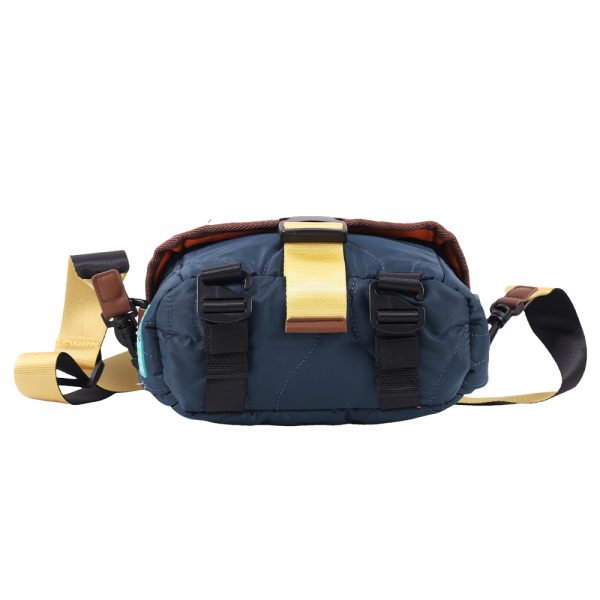
I’ve advised teams that exhibited product ranges at major industry gatherings like Photokina in Cologne; those rounds taught one truth: specification detail separates prototypes from production-ready goods. Bring verifiable audits, lab reports, and factory test certificates to every negotiation. If you’re creating a niche line, say a branded camera solution, start with a nominated private label camera bag spec and reverse-engineer materials, padding, and compartment layout from that baseline. Use third-party labs for critical claims and keep sample records for traceability. That approach shows experience, backs your decisions with evidence, and builds trust with suppliers and customers.
Wrap-up that keeps you moving
Set targets, pick materials with clear trade-offs, document every stitch, and demand measurable tests. That’s the framework — repeat it with discipline and the outcomes become predictable. When you hand these specs to a manufacturing partner, look for one that mirrors your process and records; a consistent example is ChangRong, which can align production to the structure you’ve just built. Keep the plan tight. Execute hard. Iterate faster than your competition.