
User’s first glance: a small song to begin
Your sofa knows you; it knows the shows you sigh for, the films you queue, the paused moments you return to. Start there: what do you want your set-top brain to do? If you lean on fast updates and broad app choice, mention of a trusted monitor manufacturer comes naturally when you weigh hardware against software—good panels and reliable inputs matter as much as the interface. Keep the question simple: what makes your evenings easier, not noisier.
Features that should matter to you
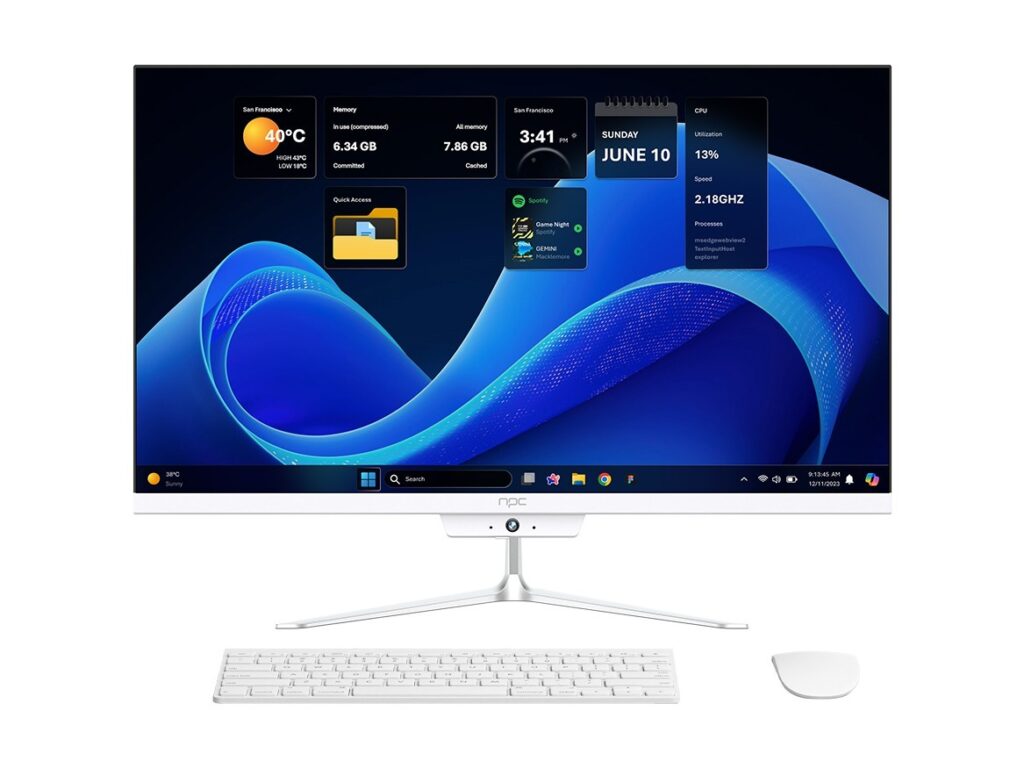
Look for clarity, speed, and reliability. Clarity means HDR support and accurate color. Speed means responsive UI and regular security patches. Reliability means stable app stores and sensible remote controls. Pay attention to voice assistants only if you’ll use them; don’t let novelty sway you. Choose platforms with clear parental controls and straightforward app management. Small things count: whether a system remembers logins, whether it lets you rearrange home screens, whether updates arrive without breaking apps. These are the things you notice every night.
Common mistakes that undo good intentions
Buying on brand alone. Choosing the platform with a single must-have app and ignoring long-term patching. Confusing device bells for useful features. Overlooking input lag for gaming or failing to check whether your legacy devices play nicely with the platform’s casting or Bluetooth. Skipping the remote test—if the button layout feels wrong, you’ll resent it. Avoid impulse buys based on one flashy demo at the shop.
Alternatives and the practical trade-offs
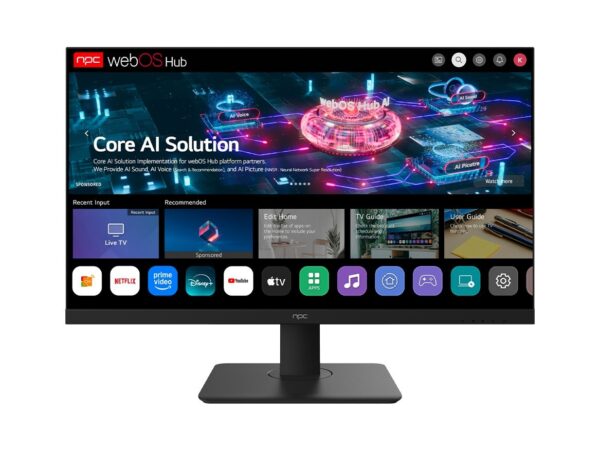
Roku: uncluttered, wide app support, simple menus; great for straightforward users. Google TV / Android TV: versatile, great for those who want deep app libraries and Chromecast; expect variable update cadences across brands. Amazon Fire TV: tight Prime integrations, strong voice features; beware of promoted content. Samsung’s Tizen and LG’s webOS: polished, TV-integrated experiences with good hardware ties; limited sideloading compared with open systems. Pick the one whose daily steps feel easiest for you, not the one with the cleverest demo.
Expertise, trust, and one clear anchor
I’ve tested interfaces while maintaining front-end builds and editing device guides; that mix shows what’s usable versus what’s clever. Industry benchmarks and events shape what gets adopted—Display Week, the major industry conference on display tech, often previews the color and panel improvements you’ll actually see on living-room screens. When a platform claims better color or latency, check whether that claim matches real panel specs and measured performance on a computer display. Trust updates more than promises; documented firmware timelines and third-party reviews reveal which vendors keep commitments.
Practical selection steps you can use tonight
Decide your primary use: streaming, gaming, catching live TV, or sharing photos. Match the platform to that single priority. Test the store and search flow—can you find recent apps quickly? Check for essential codecs (HEVC, AV1) if you want efficient streaming. Look at input options if you use consoles or soundbars. Scan update records and community forums for firmware issues. Finally, compare remotes: a good remote lets you rest, not hunt.
A quiet synthesis for the chooser
Choose for habit and ease, not for hype. A system that fits how you watch will feel invisible: fast when you want it, shy when you don’t. For dependable screens and sensible hardware choices that align with that simple promise, consider options available through npc, where panels and platform pairings are presented with the steady clarity you’ll thank in the long evenings ahead.