
Start with what you actually need
You want a homogenizer that solves your product issue, not a shiny toy that cause headaches later. Think about what you make, how much per hour, and how clean the product must be. For small to medium trials, check lab rigs first; for production, consider inline solutions that reduce handling. If you want ready options to compare, start by reviewing available industrial mixing solutions so you know typical configurations and capacities before talking to vendors.
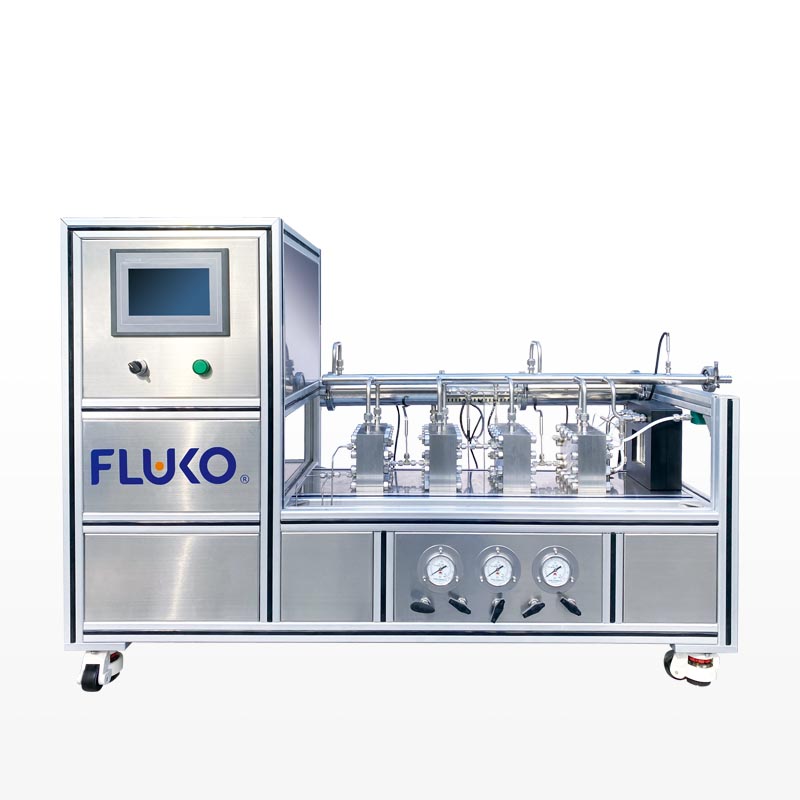
What matters to you — simple checklist
Viscosity range: can the unit handle your lowest and highest viscosities without stall? Throughput: match machine capacity to batch or continuous rate, not just peak. Shear intensity: do you need gentle dispersion or high-emulsification shear? Materials of construction: choose wetted parts compatible with solvents, pH, and CIP chemicals. Cleanability and validation: GMP or food-grade demands easy teardown and traceable cleaning. Controls and repeatability: does the controller record setpoints and trends? Spare parts and local service: downtime costs more than the gear. Energy and maintenance: ask for real power draw and bearing life figures.
Which homogenizer types fit which needs
Rotor-stator (high-shear): good for creams, paints, and most emulsions at moderate pressure. Ultrasonic: best for fine dispersion of small volumes and delicate suspensions. High-pressure valve homogenizer: choose for nano-emulsions and very tight droplet size control. Colloid mill: cheap option for tough slurries, but watch wear. Piston homogenizer: robust for viscous slurries and pharma. Static mixers: low-energy, good when chemistry does mixing work. Batch vs inline: batch for flexibility, inline for consistent continuous processing. Match the type to product goals, not just vendor recommendations.
Step-by-step user-centric decision path
Define product acceptance: particle size, stability, mouthfeel, appearance. Run lab trials with representative formulation and record energy, temperature rise, and shear exposure. Scale with pilot equipment under similar shear and residence time. Review seals and bearings for your solvent or abrasive load. Confirm cleaning regime fits your plant schedule and validation needs. Lock spare-parts kit and service SLA before purchase. Train operators on simple checks to avoid surprises the first production week.
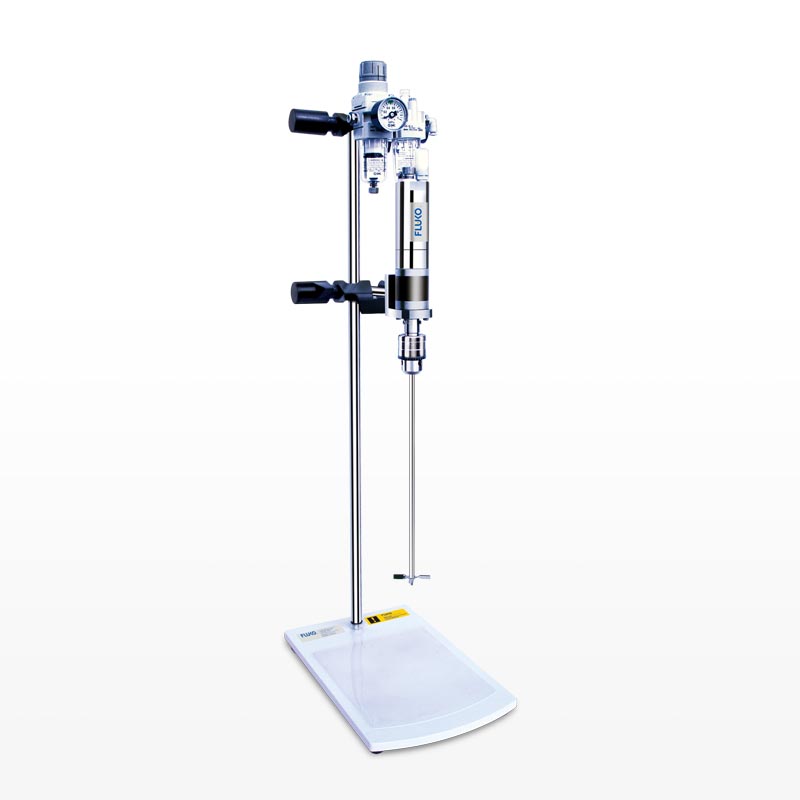
Common mistakes people make
Overspecifying capacity: buying too-large machine raises operating cost and control issues. Ignoring viscosity shifts: product can thicken during run and stall pump or rotor. Skipping material compatibility checks: seals and gaskets fail fast with wrong solvents. Assuming lab results scale linearly: shear profile changes with geometry, so re-test at pilot. Neglecting access for maintenance: hard-to-open housings mean longer downtimes. Relying solely on price: cheapest gear often backfires with poor support.
Experience, expertise, and a real-world anchor
Years of running trials teach simple truth: good data beats sales talk. I’ve validated recipes and commissioning plans during pilot projects in the Houston petrochemical corridor, observing how small geometry changes alter dispersion and cleaning needs on the floor. That practical posture shows up when evaluating supplier proposals and when checking performance claims from chemical mixing systems — look for vendors who back numbers with lab curves and site reports, not only glossy datasheets.
Alternatives to consider briefly
Used and refurbished machines can be right when budget limits are real; insist on test runs and documented maintenance. Custom OEM designs help unique chemistries but cost time. Small ultrasonic or lab rotor-stator rigs are good for recipe development before committing to production-scale equipment. Compare total cost of ownership, not just purchase price.
Final synthesis
Choose by outcome: define acceptance, validate at scale, secure service and spares, then buy the machine that meets those needs. A supplier that shows test data, offers local support, and designs for cleaning and operator access will save you weeks of downtime and recipe rework — that practical alignment is exactly what you find from FLUKO.