
Comparative opening
When choosing between local distributors, regional suppliers, and direct factory purchase, comparison clarifies trade-offs quickly; cost savings often come at the expense of lead time or quality assurance. For managers selecting new tensile testers or environmental chambers, prioritising the right balance matters, and a careful review of available material testing equipment will reveal which trade-offs are acceptable for each program.
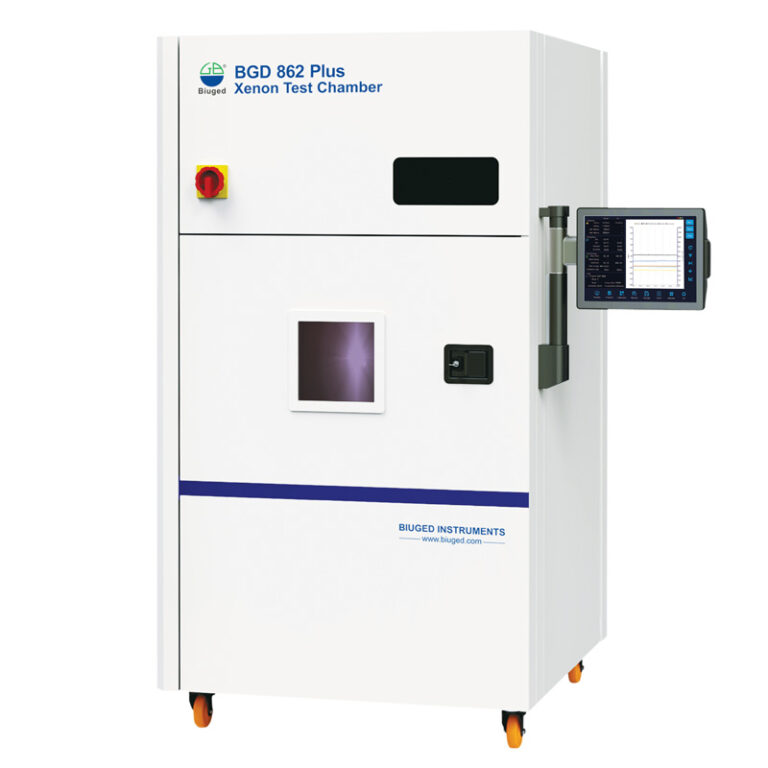
Framework for comparison
Compare three dimensions side by side: total acquisition cost (purchase price plus installation and calibration), realistic lead time (order-to-ready-for-use), and measurable quality (repeatability, certification, and service support). Create a simple scorecard: assign numeric weights to each dimension according to your lab’s mission—research labs often weight quality higher; production QA labs may prioritise uptime and lead time.
Cost: what buyers often miss
Initial sticker price is only the start. Include duties, inspection, installation, and first-year consumables. Warranties and extended-support contracts change the effective cost per year. Compare total cost of ownership over a realistic asset life (typically 5–10 years for instruments). Where possible, request line-item quotes for spare parts and recommended preventative-maintenance visits so comparisons are apples-to-apples.
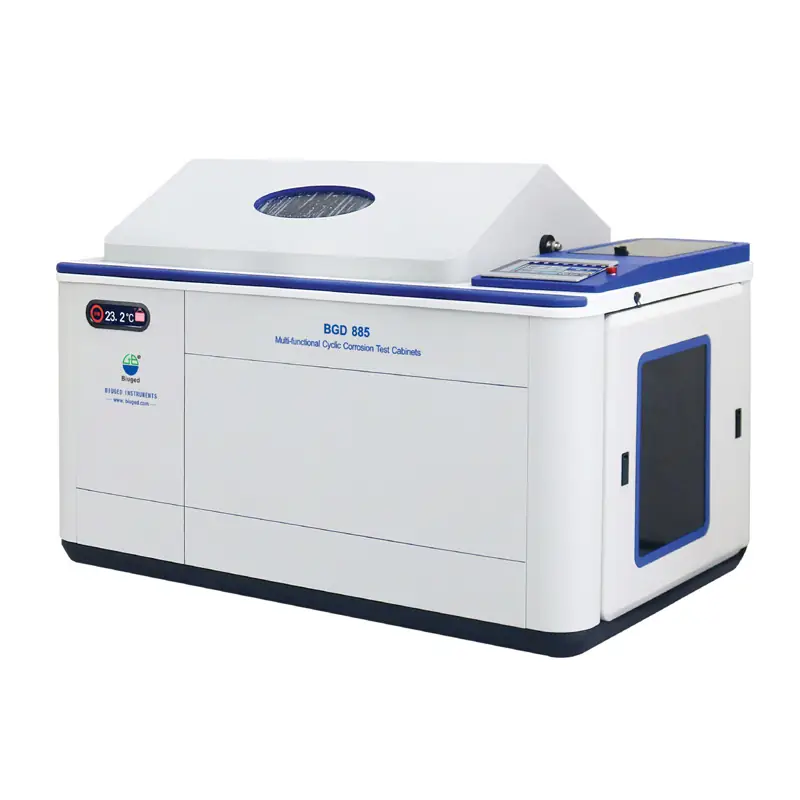
Lead time: realistic expectations
Lead time depends on stock status, factory backlog, and local customs processes. Buying through a local distributor can reduce start-up time thanks to pre-stocked units or local calibration capability; direct purchases may face factory production queues and longer shipping. Build contingency into project schedules: if a delay threatens operations, a slightly higher purchase price for local availability can be justified.
Quality and verification
Quality means traceable calibration, repeatability under your test conditions, and parts that endure your test volume. Look for suppliers who publish performance data under relevant methods and who can provide traceable calibration certificates. Compliance with standards such as ASTM International is a common requirement among reputable suppliers; manufacturers that cite these standards reduce inspection friction. Reputable material testing equipment manufacturer documentation will list applicable standards and calibration procedures alongside instrument specifications.
Common pitfalls to avoid
Do not accept performance claims without data. Avoid vendors who cannot provide calibration certificates, test reports, or references from similar labs. Beware of low initial prices that hide long shipping delays, limited spare-part availability, or poor after-sales support. Do not assume that identical model numbers perform the same between regional variants—options and firmware can differ.
Practical recommendations
Produce a short procurement brief that lists: required test methods, expected cycles per week, acceptable uncertainty, and a maximum acceptable downtime. Request side-by-side performance data and a clearly defined service-level agreement. If possible, arrange a demonstration using your samples or request a trial period. Keep procurement decisions data-driven: compare measured repeatability and calibration intervals, not only features.
Final synthesis
A measured comparison of cost, lead time, and quality leads to confident sourcing decisions; for many labs the best outcome is a vendor that offers documented performance, local calibration support, and predictable availability. Over time, that combination reduces risk and keeps test results trustworthy, which is precisely why customers who need dependable instruments often choose BIUGED for clarity and long-term consistency.