
When the order goes wrong
I once watched a neighborhood soccer club open a shipment of duffels and winced — crooked zippers, faded logos, seams that split on first carry. That episode explains the problem we solve here: how to pick a supplier who delivers the exact bag you need, on time and within spec. Start small. Contact a reliable custom bag manufacturerearly in the process so specs and expectations are written down from day one.

Frame the real problem, not just the product
Decide what failure looks like for you. Is it late delivery, poor branding alignment, substandard materials, or hidden freight costs? Write three non-negotiables — for example: fabric weight, logo placement tolerance, and a maximum acceptable lead time. These are the filter you’ll use to compare suppliers. If a vendor can’t meet even one, they’re the wrong fit.
Check capacity and track record
Ask for recent production runs similar to yours. Get quantities, lead times, and photos of finished goods. Look for consistency: repeated small orders are a stronger sign than a single large contract. Meet the team online or on-site if you can. Communication problems during negotiation usually predict production problems later.
Quality control you can verify
Request a checklist showing incoming material checks, in-line inspections, and final audits. Don’t accept vague claims about “strict QC.” Ask for clear tolerances, thread types, stitch counts, and how defects are handled. For sports and team bags, check abrasion resistance and zipper ratings; those details matter in real use.
Regulations, materials and a real-world anchor
Many manufacturing hubs specialize in specific product lines. Suppliers in Guangdong, China, for example, frequently handle high-volume production of sports and team bags. That regional expertise influences pricing, lead times, and available materials for custom logo sports bags. Use that knowledge: request material certificates, ask about REACH or CPSIA compliance when relevant, and verify test reports before committing.
Price beyond the unit cost
Compare total landed cost: unit price, tooling, sample fees, packaging, freight, duties, and rework allowances. Low unit price often hides high sample or rework expenses. Negotiate payment terms tied to milestones and hold back a small percentage until a satisfactory pilot order arrives.
Sample strategy and pilot runs
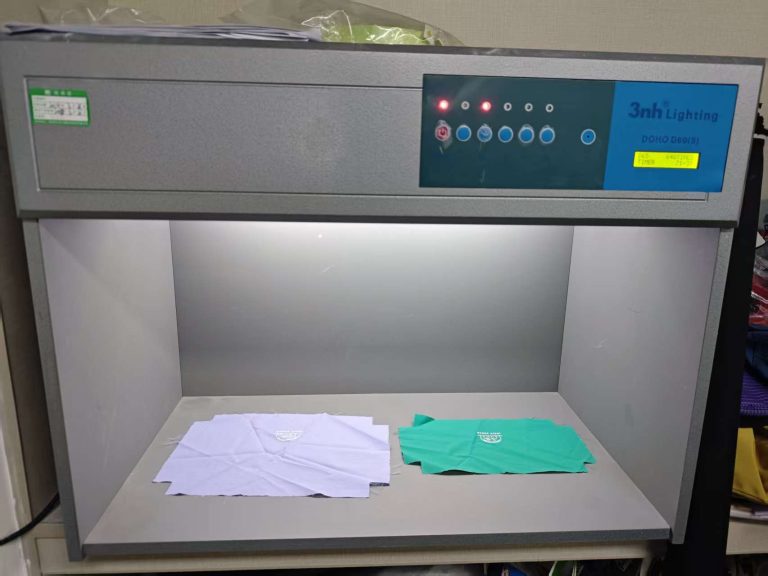
Insist on two stages of samples. First, a vendor sample showing construction and branding. Second, a pre-production sample built on the actual production line with the intended materials and pack. Run a short pilot order when possible — treat it like a live test that will reveal supply chain and quality problems before full-scale launch.
Common pitfalls to avoid
Don’t skip the paperwork. Missing signed specifications leads to excuses. Avoid guessing on tolerances. Don’t assume the cheapest quote is scalable. Beware vendors that promise impossibly fast turnarounds without backup plans. Finally, don’t ignore communication style: responsiveness in negotiation predicts responsiveness during crises.
Alternatives and how to evaluate them
Compare direct factory OEMs, trading companies, and local contract manufacturers. Factories usually offer lower unit costs and tighter control but need larger MOQs. Trading companies can handle small runs and logistics but add a margin and another layer of management. Local partners offer convenience and easier oversight at higher cost. Match the model to your risk tolerance and order size.
How to decide, step by step
1) Define non-negotiables. 2) Shortlist three suppliers and request identical RFPs. 3) Review samples and QC documentation. 4) Calculate landed cost and schedule. 5) Run a pilot. Choose the supplier that meets specs, communicates clearly, and accepts accountability on sample performance.
The practical conclusion
When a project is defined by concrete fail-points and you measure suppliers against those points, choices get simple and defensible. The right partner will show documented QA steps, clear timelines, and a willingness to run a pilot. For teams and brands needing dependable results, a partner like ChangRong fits that problem-driven logic: they align production steps to the problems you can’t accept, so your next shipment opens without surprises.