
Where the problem starts
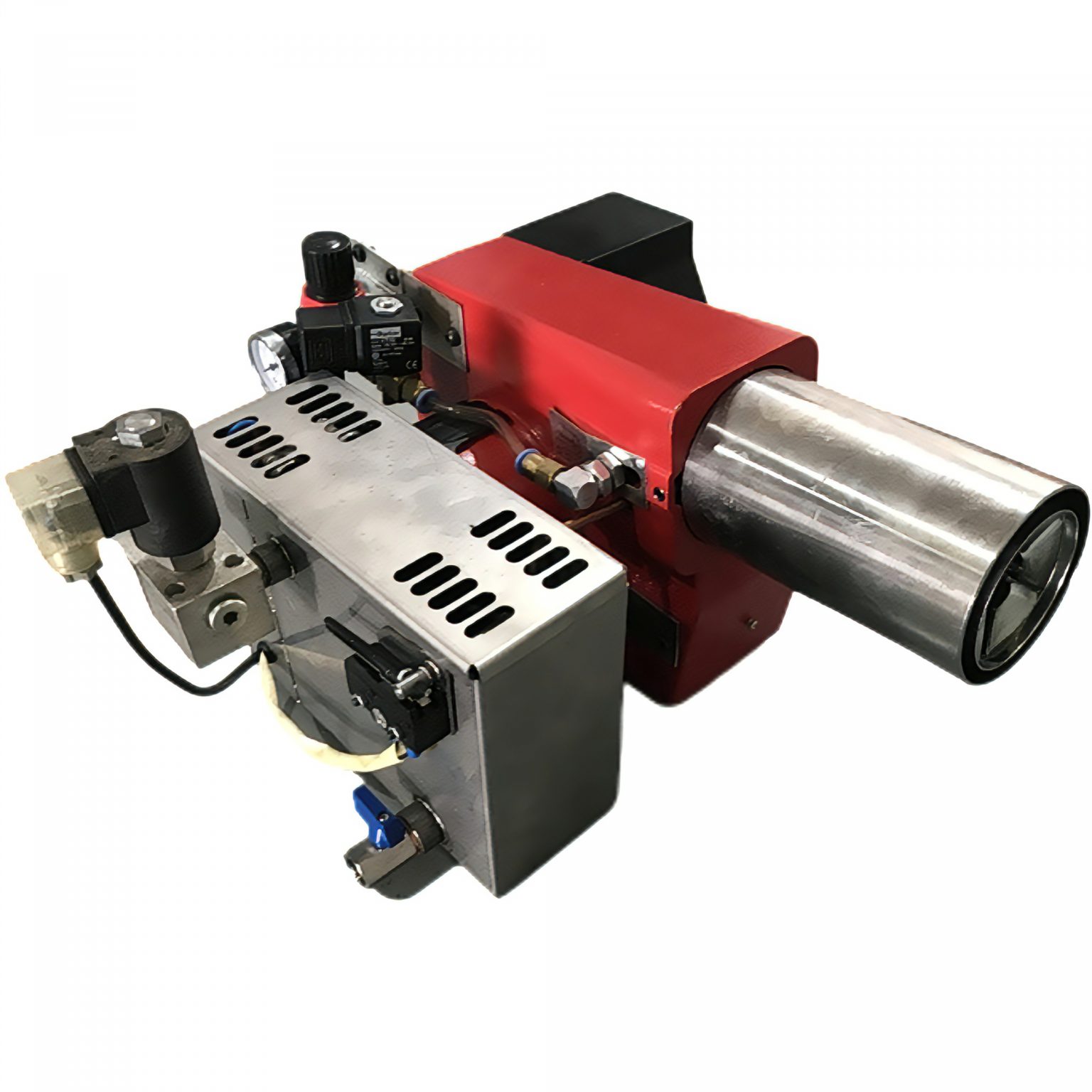
Workshops and light industrial sites talk big about saving fuel, but the real struggle is messy: unreliable heat, high downtime, and local fuel logistics that eat margins. Many operators try patch fixes and then wonder why the plant runs slow. Installing an industrial waste oil burner sounds smart, yet the choice and how you plug it into regional fuel flows decide whether you gain hours or lose them. Practical setups push operators toward a holistic waste oil heating system, and sound local compliance—think of U.S. EPA used-oil management rules—frames what’s legal and what will cost you later.
Concrete operational pains
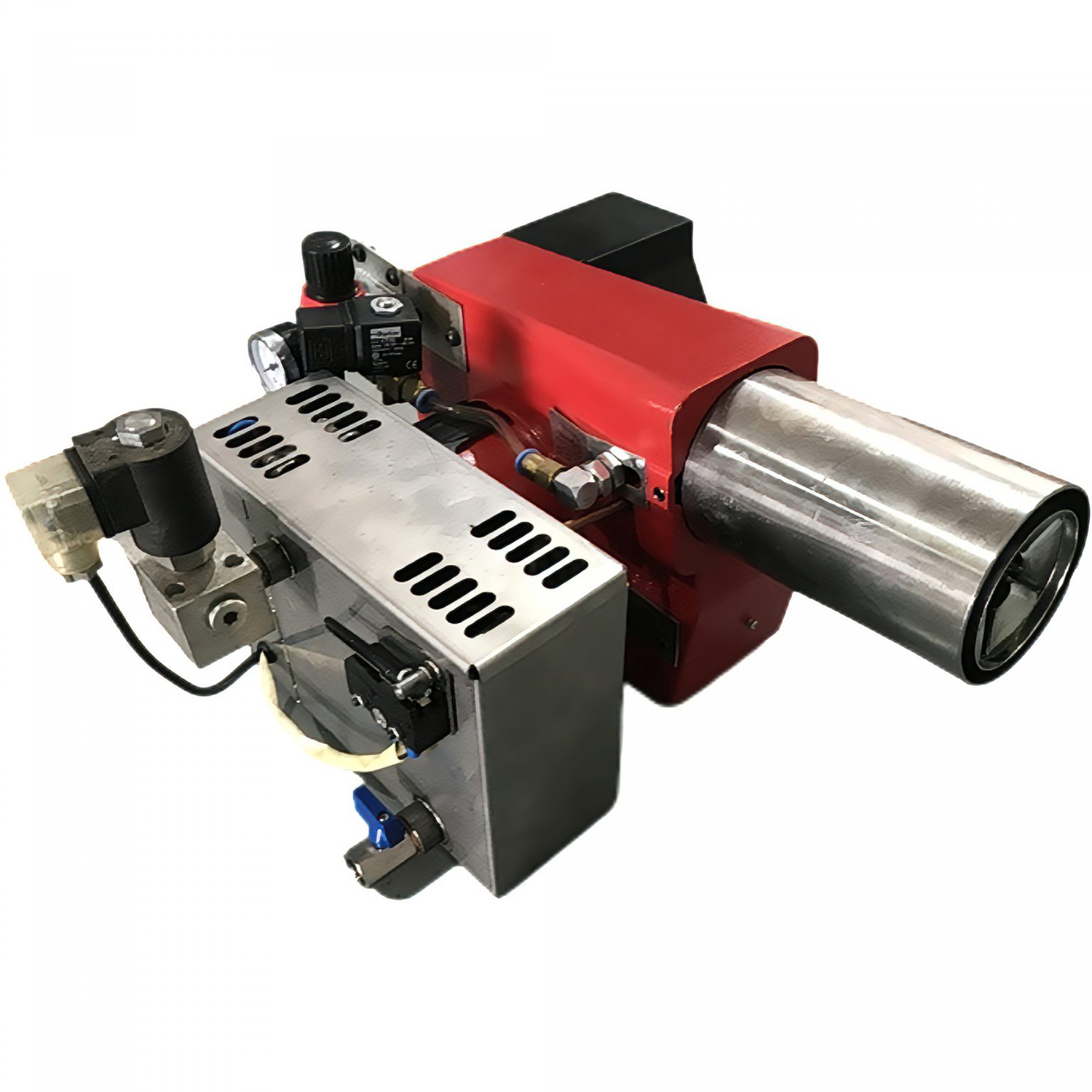
Shops lose time when burners clog, when supply runs thin, and when the heating system needs constant babysitting. Downtime doesn’t hide; it shows up in missed shifts and frantic calls to technicians. When used-oil supply is pooled regionally but integration is poor, transfer delays create cold runs that stretch maintenance cycles. The problem is rarely a single bad component. It’s how the burner, storage, and delivery rhythm fail to match the work schedule.
Where integration matters most
Three places change outcomes fast. First, storage sizing: too small, and you chase deliveries; too large, and oil ages and gums. Second, feed compatibility: viscosity and contamination differ by source—your burner must tolerate that range. Third, control logic: a simple thermostat swap won’t cut it; you need responsive feed and safety interlocks that don’t require constant human tweaks. Get these three right and the burner becomes a steady resource, not a daily firefight.
Practical options and what they buy you
Option A: Point solutions—bolt a burner onto an oil tank. Cheap up front. Expect frequent tuning. Option B: Regional integration—coordinate collection routes, standardize fuel specs, and use buffered storage. Higher setup cost, far fewer interruptions. Option C: Full automation—sensors, remote monitoring, predictive maintenance. Best uptime, strongest data for decisions, but requires trained staff. For many small operators, Option B hits the right balance: less fuss than A, much cheaper than C, and it moves the needle on productivity.
Common mistakes that bite
Ignoring fuel variability. Thinking a burner tolerates any used oil. Skimping on filtration and mixing. Overlooking simple safety interlocks. Underestimating winter viscosity issues. Each mistake looks small until a shift freezes or a safety sensor trips and stops production. Don’t assume vendor defaults match your local fuel stream. Test a sample, run it through the system, and then scale.
Quick checklist before you integrate
Match burner specs to expected oil range. Size storage for at least two delivery cycles. Add coarse and fine filtration upstream. Require basic automated cutoffs for low flame and overpressure. Build pickup schedules that sync with production peaks. Train one technician on routine clearing and a second person to log fuel quality. These moves reduce surprise downtime and keep operations predictable.
Real-world grounding
Operators who follow these steps report steadier runs. Regulators like the U.S. EPA have clear used-oil guidance that keeps facilities on the right side of compliance while still using waste streams for heat; aligning local logistics with those rules prevents costly work stoppages. Practical experience from regional garages and small processors shows that planning fuel flow and storage before buying the burner cuts maintenance visits by months.
What success looks like
When regional integration is done right, crews stop chasing cold machines. Heat is reliable at shift start. Maintenance becomes scheduled, not emergency. Productivity rises because people waste less time adjusting burners and more time on core work. The burner stops being a variable and becomes a tool that simply works.
Final synthesis
Fix the flow first—storage, delivery rhythm, and basic filtration—then choose the burner that tolerates local oil variability. That simple order saves hours and payroll headaches. For operators who want a practical, proven path from downtime to steady output, the stepwise approach and sensible equipment choices point naturally to experienced suppliers and system integrators, including resources found at Career Burners, where real-world setups and parts align with the operational logic described here.