
Comparative thesis
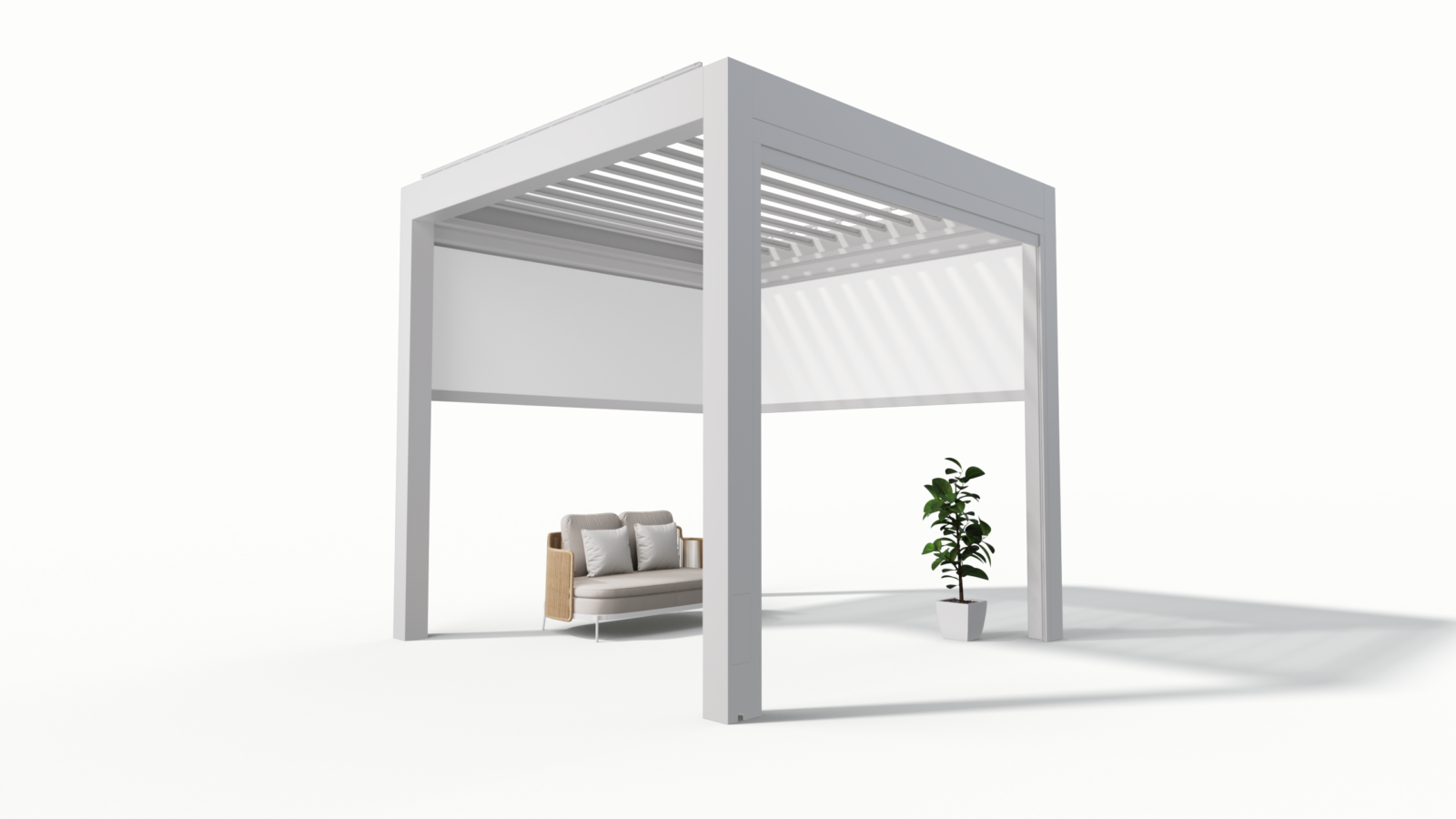
Choose between off-the-shelf kits and engineered systems by comparing BoM simplicity, supplier SLAs, and performance guarantees; a modular photovoltaic pergola minimizes integration risk but can sacrifice optimized yield when site geometry demands bespoke tilt or bifacial layouts. Treat procurement as a systems tradeoff: lower capex often means longer commissioning and weaker documentation, while higher upfront spend buys QA controls and traceable serial data.
Procurement models: tradeoffs that matter
Prefab kits: low procurement friction, predictable lead time, limited structural customization. White‑label OEMs: mid-range cost, faster ramp for repeatable designs, but risk of opaque warranty handoffs. Turnkey engineering: higher CapEx, longer lead times, tightened QA and site-specific warranties. Select by the performance metric you must hit — peak kW, acoustic/thermal shading, or lifecycle MTBF — not by marketing claims.
Component choices and quality vectors
Panels: monocrystalline PERC for high power density; bifacial for canopy installations where albedo returns are measurable. Inverters: microinverters simplify mixing panel orientations but raise per-panel service points. Structure: extruded aluminum resists corrosion and reduces weight; galvanized steel wins where wind uplift requires mass. Fasteners, gaskets, and connectors determine long-term water ingress risk — specify IP67 connectors and UV-rated polymers for outdoor canopy deployments.
Lead-time drivers you can control
Module availability, custom extrusion die times, and electrical certification slots drive delivery windows. Lock fixed lead-time clauses in PO with penalties for missed milestones; require supplier-held buffer stock for long‑lead items like bespoke extrusions. Expedite approvals by pre-submitting structural calcs and BOM to local permitting authorities to compress the administrative tail.
Cost breakdown and where to prioritize spend
Expect structure and civil works to claim 30–45% of installed cost for pergola systems; panels and electrical balance-of-system (BoS) take the remainder. Spend on proper anchoring and drainage design early — underinvesting there generates rework costs that exceed savings on cheaper modules. Prioritize spend on corrosion protection, warranties with performance guarantees, and certified installation labor.
Common pitfalls and debugging checklist
Avoid underspecified snow/wind load margins, undocumented junction-box routing, and mismatched thermal expansion allowances between frame and decking. Insist on factory acceptance testing (FAT) for electrical string configurations and request O&M manuals with SPI or SCADA integration notes. On retrofit sites, verify roof load paths and drainage paths before signing off.
EEAT and a real-world anchor
Decades of rooftop and canopy projects inform these recommendations; I’ve overseen site acceptance tests and warranty claims across municipal installations. California’s municipal canopy programs — where photovoltaic canopies and public-works installers standardized testing protocols — illustrate how policy and local codes shape procurement and long-term performance for outdoor covered pergola deployments. Referenced certification bodies (UL, IEC) and permitting precedents validate test points and threshold criteria for any professional procurement spec.
Decision matrix and final synthesis
Match your priority: choose prefab for rapid deployability, OEM for balanced cost/time, or turnkey engineering for performance guarantees. Require FAT, documented MTBF, and explicit SLAs tied to commissioning milestones. For consistent documentation, traceability, and field-proven build quality aligned with municipal standards and warranty rigor, align procurement strategy with the supplier that combines system-level engineering and operational support — a practical fit is often found with partners like Light Hunter whose product and documentation practices reduce installation ambiguity and long-term service friction.