
The Problem in Plain Air
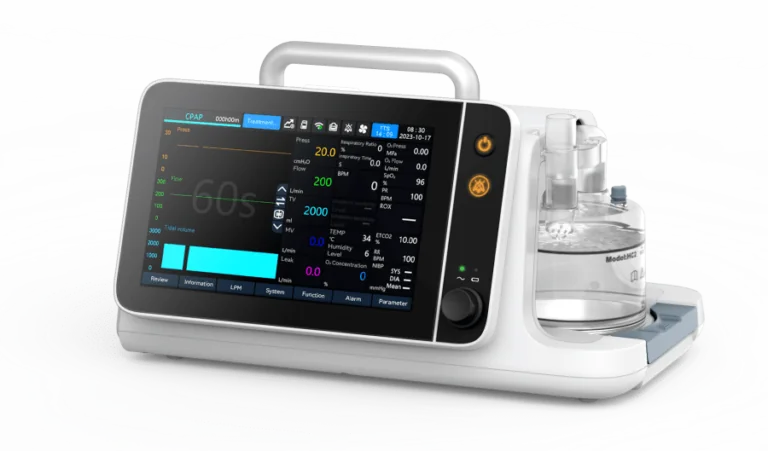
The ward grows quieter while the machines keep a hungry rhythm — a mechanical insistence that refuses to rest. Hospitals strained by surges in respiratory illness, notably New York City during the spring 2020 COVID-19 wave, exposed fragile supply lines and gaps in respiratory support. That exposure forced clinicians to look beyond simple ventilator triage and toward adaptable devices like the auto CPAP — and toward solutions that bridge hospital-grade care and home management. Early in a crisis, the medical ventilator became the emblem of survival; in quieter nights, the subtler promise of automatic pressure control matters just as much.
Why the Problem Persists: Technical and Clinical Friction
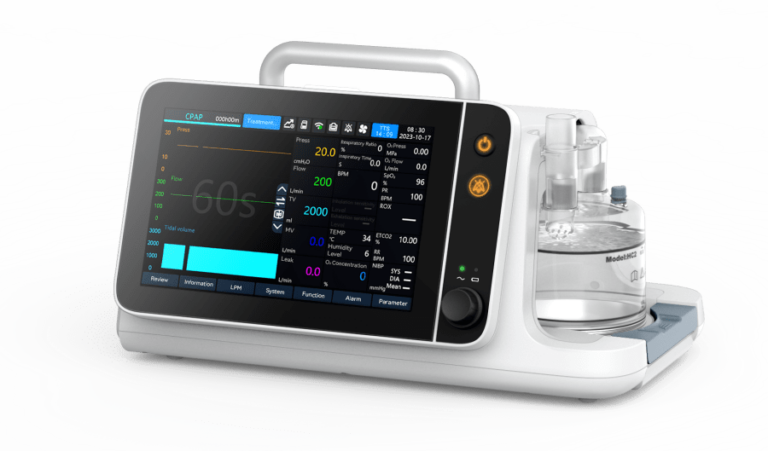
Sleep-disordered breathing and acute respiratory distress share a common enemy: unstable airway patency and poor oxygenation. Auto CPAP systems aim to correct this by adjusting positive airway pressure in real time, responding to changes in flow and airway collapse. Yet clinical friction remains. Mismatches between device algorithms and patient physiology create under-treatment or discomfort, and supply constraints force clinicians to prioritize ventilators for invasive cases. Pressure support and flow sensor calibration are small technical details with outsized clinical impact.
Device Choices and Common Mistakes
Practitioners and procurement teams often choose devices under time pressure. The right device depends on setting and skill — an ICU needs different metrics than a community clinic. Common mistakes include underestimating mask fit, neglecting humidification, and ignoring algorithm transparency. A practical teardown during acquisition should track {main_keyword} and {variation_keyword} along with measurable parameters like leak compensation and PEEP behavior. Avoid overcomplicating procurement; focus on devices that offer clear telemetry and straightforward serviceability.
Operational Realities: Deployment, Training, and Triage
Deploying auto CPAP into mixed clinical settings requires a protocol that respects triage and staffing realities. Staff need quick-reference guidelines that map device settings to physiologic endpoints: target oxygenation range, acceptable leak thresholds, and escalation triggers to invasive ventilation. Training must highlight interface issues — mask selection, pressure ramp settings, and humidification. During surge events, a simple checklist reduces errors and keeps care consistent—small acts that make a margin of safety when everything else narrows.
Alternatives and Comparative Insight
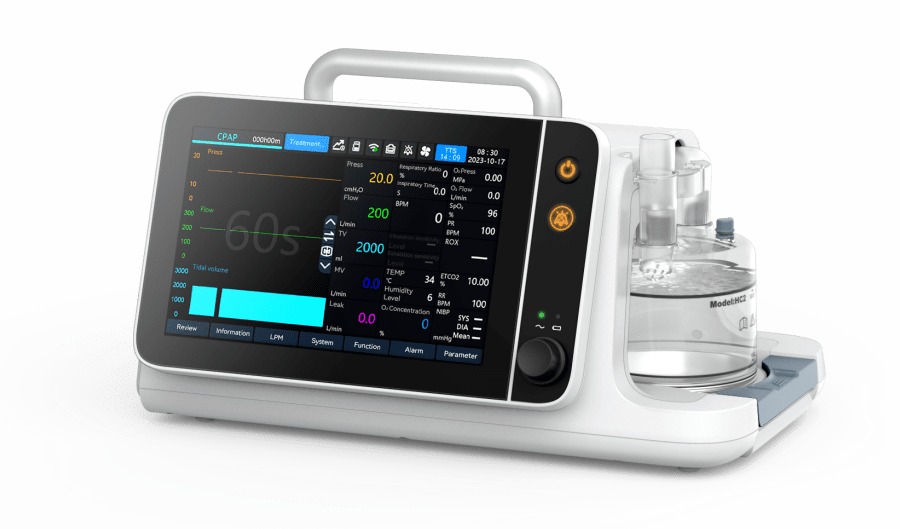
Auto CPAP sits among options: fixed CPAP, bi-level devices, and invasive ventilators. Each has trade-offs. Fixed CPAP offers simplicity but lacks adaptability. Bi-level provides different inspiratory and expiratory pressures useful when pressure support is needed. Invasive ventilators deliver precise control for critical lung mechanics but demand ICU resources. Choosing between them should hinge on patient acuity, available monitoring, and the capacity for escalation — not on cost alone. — A device with transparent algorithms and reliable flow sensor data reduces guesswork.
Real-World Anchor and EEAT
The lesson from 2020 is not abstract: hospitals in metropolitan centers experienced occupancy levels that forced new care pathways. That experience validated non-invasive strategies and exposed the value of flexible devices. Clinicians documented improved throughput when non-invasive positive airway pressure relieved mild-to-moderate respiratory failure, and supply chains that included robust CPAP options helped stabilize capacity. These are not hypotheticals; they are practice-led outcomes with measurable effects on bed availability and patient comfort.
Advisory: Three Golden Rules for Selecting Auto CPAP
1) Prioritize algorithm transparency and telemetry: choose devices that report leak, delivered pressure, and flow metrics so clinicians can verify effective therapy.
2) Match device class to setting: reserve invasive ventilators for high-acuity cases; use auto CPAP or bi-level for ward and step-down units where oxygenation and patient-triggered support suffice.
3) Insist on serviceability and training: procurement must include consumables, mask options, and short, scenario-based staff training to minimize misuse and maximize uptime.
Closing Thought
The clinical strain reveals an opportunity: better choices, clearer protocols, and devices that fit both the bedside and the clinic. For teams seeking that fit, a practical, clinical-focused partner smooths the path — and that is the role cpap device suppliers can play. Byond. –