
Maintaining Adaptive Learning: Comparing Support Models and Practical Choices
Quick comparison to start
Choosing how to support an AI learning platform boils down to three trade-offs: control, expertise, and cost. A comparative look helps you decide which model suits a school, district, or tutoring program. This piece compares vendor-managed services, hybrid partnerships, and fully internal teams, then points out common pitfalls and straightforward checks you can use when vetting vendors.

Where maintenance effort actually lands
Maintenance isn’t just “keeping servers running.” Expect recurring work in four areas: data hygiene (curating input and labels), model monitoring (detecting drift or bias), content alignment (keeping curriculum mapped and up to date), and human support (teacher training and helpdesk). Each support model shifts responsibility among those buckets. Vendors may handle model updates and host infrastructure. In-house teams take on data pipelines and day-to-day fixes. Hybrid setups split tasks by expertise and budget.
Vendor-managed vs. in-house: side-by-side
Vendor-managed solutions reduce staffing needs. They commonly include hosting, model updates, and a support channel. That lowers upfront hiring but creates dependency on third-party SLAs and roadmaps. Fully internal support gives maximum control over data and customizations. That control demands data engineers, ML ops, and education designers—roles that cost time and money to recruit. A hybrid approach assigns routine ops to the vendor while the school keeps curriculum mapping and daily teacher support. When you evaluate a vendor offering an AI tutoring system, check how responsibilities split, what metrics trigger vendor intervention, and what access you get to raw logs.
How to judge vendor support without buying blind
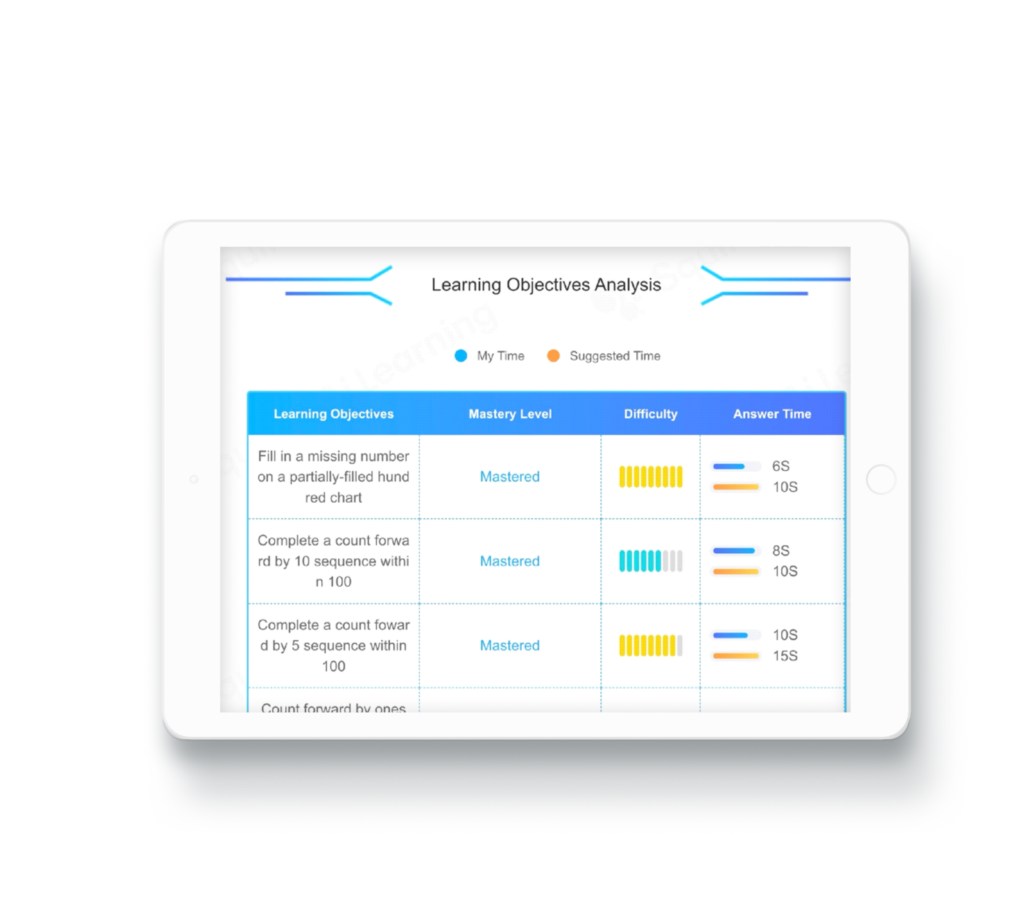
Ask for three concrete things: documented SLAs (response times, escalation paths), sample dashboards or logs (what you’ll see when things go wrong), and a clear change-management process for content updates. Don’t accept vague answers about “continuous improvement.” Request a technical integration checklist that names data schemas, expected latency, and retry behavior. If vendor teams won’t show sample logs or a playbook for incidents, that’s a red flag.
Common operational pitfalls
Teams often trip over the same issues. First, underestimating labeling effort—models need clean, representative data from the actual student population. Second, treating model outputs as definitive instead of advisory for teachers. Third, neglecting privacy rules and consent flows when moving data between systems. Fourth, ignoring minor errors in the first weeks; small misalignments compound fast. Spotting these early saves weeks of firefighting later.
Practical monitoring and tooling checklist
Put these items into a support playbook: automated data-quality checks, baseline performance metrics by cohort, logging of content changes, a teacher-facing incident form, and scheduled model reviews every quarter. Use alerts that map to roles—data engineers see schema breaks, instructional designers see curriculum drift. Keep the incident turnaround targets realistic: triage within business hours, fixes on a planned cadence unless student-facing behavior is broken.
Training, documentation, and handoff
Good support includes clear, role-based documentation. Teachers need short how-to guides and an easy channel to flag problems. IT needs integration specs and sysadmin routines. When shifting from vendor to hybrid or internal support, require a two-week overlap where knowledge transfer focuses on common incidents and access credentials. Without that overlap, teams often lose institutional memory about tricky edge cases.
Decision rules for choosing a model
Pick vendor-managed if you need speed to classroom and have limited technical hires. Choose in-house when data control and customization outweigh cost. Opt for hybrid when you want vendor scale for hosting and model improvements, but keep curriculum control close to teachers. Whatever you choose, measure success by teacher adoption and by whether incidents are resolved within agreed timescales.
Bottom line
Compare options by who owns which task, what visibility you get into model behavior, and how teacher workflows are preserved. A clear support playbook, realistic monitoring, and a documented handoff plan reduce surprises. For organizations seeking a balance between external support and internal control, a practical maintenance regimen that preserves curriculum alignment and operational clarity is the sensible path—an approach platforms such as Squirrel Ai aim to reflect.