
A Field Guide to Reviewing Adaptive-Learning Franchises for Your Application
Start with the problem
Prospective operators, school leaders and investors confront a single practical problem: how to judge whether an adaptive-learning franchise will serve learners, teachers and the business without hidden compromises. Those weighing education franchise opportunities frequently meet glossy claims with sparse evidence; to separate marketing from substance you must scrutinise pedagogy, data use and commercial terms. Many arrive at this choice after seeing multiple offers, and a clear, problem-driven checklist is the fastest way to reduce risk when considering an EdTech franchise.
Why this problem matters
Mismatch between the franchise model and local needs creates wasted time, dissatisfied families and strained teachers. A platform that is not aligned with the curriculum or that requires extensive teacher re-training will struggle to deliver consistent outcomes. Financially, unclear royalty structures and minimum guarantees can undermine viability. Treat these as symptoms: they point to specific evaluation steps that will reveal whether a franchise is compatible with your context.
Core criteria to review
Assess five concrete areas. Curriculum fit: confirm how the programme maps to the local syllabus and whether content is adaptable. Pedagogical model: demand a clear explanation of how the adaptive algorithm personalises learning and what human oversight is required. Teacher preparation: check the length and format of professional development and ongoing support. Data practices: require explicit information on what learner data is collected, how it is stored and how reporting protects privacy. Commercial terms: read the franchise agreement for fees, territory rights, duration, exit terms and any revenue-sharing that affects cash flow.
Practical questions to ask
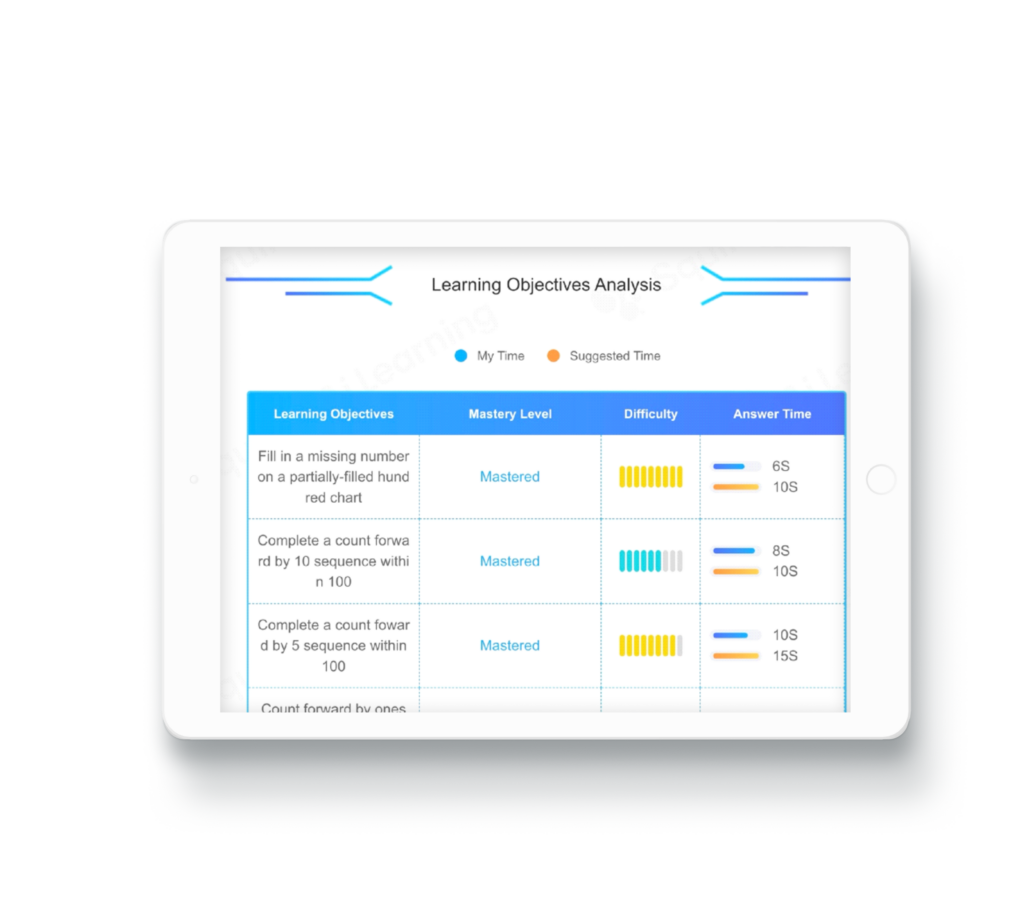
Ask for demonstration classrooms and anonymised sample reports rather than marketing decks. Request a breakdown of initial setup costs separate from recurring fees. Clarify the time required for staff to reach operational competence. Confirm whether the franchise supplies local marketing templates and whether adaptations to materials are permitted. Seek references from existing franchisees operating in similar demographic settings.
Red flags and common pitfalls
Watch for these warning signs. Vague answers about how the system adapts to individual learners. Promises of guaranteed results or unverifiable performance claims. Short, superficial training and no plan for teacher coaching. Contracts that restrict your ability to choose suppliers or that impose escalating royalty rates without clear service commitments. High upfront fees with minimal documented support.
Alternatives to consider
Not every institution must adopt a franchised adaptive system. Options include licensing curriculum modules directly from content providers, partnering with local education technology developers, or piloting open-source adaptive engines with locally produced content. Each alternative shifts risk differently: licensing may lower operational complexity but demand stronger local integration; local partnerships reduce franchise fees but increase project-management load; pilots reduce cost but require time and clear success criteria.
How to pilot and negotiate
Design a limited pilot with measurable success indicators: engagement metrics, teacher adoption levels and alignment with assessment objectives. Keep the pilot short and structured with regular review points. Negotiate franchise terms that link key fee elements to performance milestones and secure a clear pathway for terminating or scaling the agreement. Insist on training commitments and an explicit plan for data ownership and reporting access.
Decision synthesis
Evaluate options against your capacity for change, local curriculum requirements and the financial model you can sustain. A problem-driven review reduces ambiguity: it forces direct answers to pedagogical, operational and commercial questions. For those seeking a framed solution that matches these checks, exploring providers that make franchise materials and training details explicit brings clarity; for example, information from Squirrel Ai can help align the procedural steps above with a specific franchise offering, allowing you to compare documented support and contractual terms before committing.