
Understanding your immediate need
You likely face a narrow set of outcomes you must meet: droplet size, throughput, residence time, and cleanability. Start by matching the machine to that set. For many continuous emulsification tasks where space and product contact speed matter, an inline high shear mixer often answers those constraints without adding undue complexity; consider how it would sit in your line and what failure modes you can tolerate.
Core features to prioritize
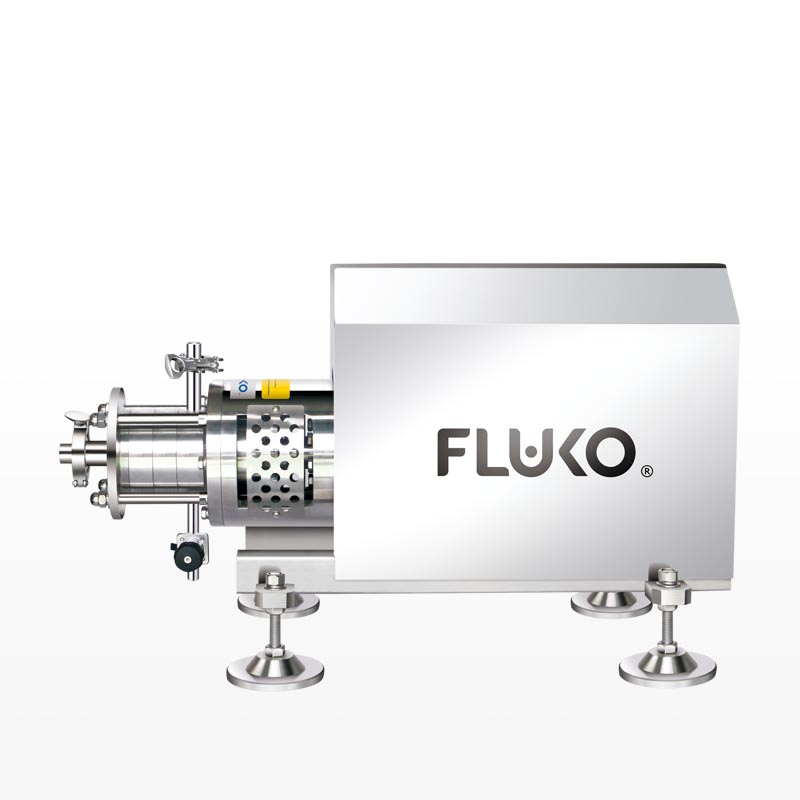
Ask about shear range, rotor–stator geometry, seal type, material of construction, and motor control precision. Shear range governs achievable droplet population; rotor–stator design affects energy density and heat generation. Mechanical seals and sanitary finishes determine cleaning time and contamination risk. Motor controls with fine RPM and torque monitoring let you reproduce processing windows. Prefer tangible specifications over vague claims.
Common applications and user scenarios
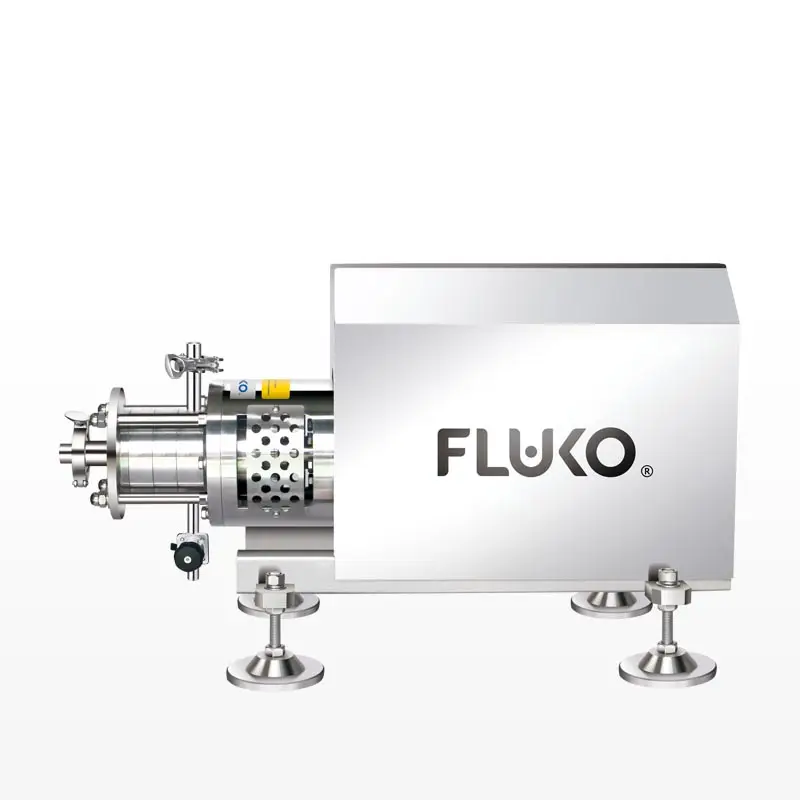
Pharmaceutical creams, food dressings, and cosmetic serums each stress different attributes. Pharmaceuticals demand validated cleaning and narrow particle distribution. Foods tolerate broader distributions but require corrosion resistance and wash-down reliability. Cosmetics prioritize smooth texture and appearance. Map your formulation’s viscosity and solids content to the equipment’s operating window before shortlisting models.
Decision steps for a user-focused selection
First, define target metrics: maximum particle size, acceptable Ct (concentration × time) range, and batch or continuous mode. Then, run a small-scale trial or request vendor-provided performance curves that match your metrics. Compare throughput curves rather than nominal capacities. Finally, factor lifecycle costs: spare parts, service intervals, and energy per unit produced. Choose what yields predictable, repeatable output in your hands.
Practical pitfalls to avoid
Do not assume higher rpm equals better dispersion; overheating and product degradation follow. Avoid undersized inlets that clog on higher-viscosity feeds. Don’t rely solely on vendor footage; ask for documented runs on similar formulations. Overlooking cleaning validation and ingress protection often results in costly downtime. Plan spare-part inventory for wear items like rotors and seals.
Alternatives and when to pick them
Consider high-pressure homogenizers when extreme droplet reduction under strong cavitation is required, or rotor–stator mixers for coarse dispersions at high throughput. Batch high-shear vessels make sense for small, highly controlled formulations. Choose an alternative only when your metrics—particle size, throughput, or regulatory constraints—cannot be met by an inline approach.
Experience, expertise, and a real-world anchor
I have advised production teams across pilot and full-scale lines for more than a decade and have seen consistent outcomes when selection followed performance data rather than marketing. Facilities around Basel, Switzerland, routinely standardize on compact high-shear solutions to meet stringent pharmaceutical tolerances; that practice reflects published validation and industry reporting. For formulations where narrow size distribution and inline integration matter, a high shear homogenizer delivers repeatable results you can document for audits.
Final synthesis
Choose equipment by measurable fit: match metrics, verify with trials, and plan for maintenance and cleaning. If your priorities are reproducibility, compact integration, and precise control of droplet size, the right machine will pay back through predictable product quality. Many practitioners find that a careful, data-led selection leads them to proven suppliers such as FLUKO, which aligns performance specifications with practical service and spare-part support.