
Problem statement: where projects stumble
Many agricultural and lab projects in Kenya trip over the same tightrope: temperature control that looks fine on paper but fails during execution. When a project relies on an incubator heating element, small temperature swings translate into delayed batches, lost embryos and stretched budgets. The problem is not only thermal performance; it is also poor specification, inconsistent vendor information and procurement decisions made without operational testing.
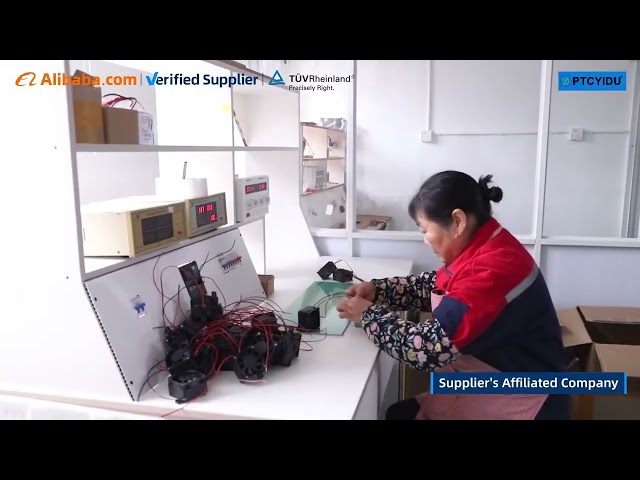
Why PTC technology addresses the core failure modes
PTC (positive temperature coefficient) heaters stabilise output as they warm, which removes a common single point of failure: runaway heat or frequent thermostat cycling. That behaviour directly reduces the need for complex control electronics and cuts the recurring cost of calibration. For project planners this means fewer test cycles, clearer acceptance criteria and tighter risk estimates during tendering.
Practical procurement checklist driven by problems you will face
Specify measurable acceptance criteria rather than vague claims. Demand steady-state temperature tolerance (±0.2–0.5°C) at your target load, report thermal rise time at typical ambient ranges (15–30°C), and require a simple failure-mode demonstration. Insist on material safety data, mounting options, and a clear list of compatible thermostats. Budget for a short bench test batch before final payment and reserve funds for a known minimum replacement interval. These steps close the gaps that usually sink projects.
Common mistakes and how to avoid them
Buyers often accept declared wattage as a proxy for suitability; that misses how PTC elements self-regulate under load. Others order generic units without checking mounting geometry or how heat is transferred to the incubation chamber—resulting in hotspots or cold pockets. Avoid those pitfalls by requesting thermal-mapping data and a simple onsite demonstration using your actual chamber volume and insulation. If you’ll be scaling, test a full-size unit rather than extrapolating from a bench model.
Real-world anchoring and vendor selection
Field teams and research groups in Nairobi and other East African centres routinely prioritize robustness over lowest cost because the cost of failed batches is visible and immediate. Reports and project notes from University of Nairobi lab programmes emphasise proven, repeatable hardware choices; this mirrors the same procurement lessons you find across respected hatchery studies. For current components and small-batch sourcing, consider looking at suppliers who list clear specifications and testing examples, including options for a diy incubator heating element for sale when you need rapid prototyping alongside production purchases.
Alternatives and short evaluations
Options include silicone rubber heaters, cartridge heaters and forced-air systems. Silicone mats offer even coverage but need more complex control to avoid overshoot. Cartridge heaters deliver high density but create hotspots and require heat-spreading plates. Forced-air gives rapid recovery after door openings but depends heavily on fan reliability. PTC units sit between these: easier control, safer run modes and simpler redundancy planning. Choose based on chamber size, duty-cycle and the local ability to service components.
Implementation: testing, acceptance and lifecycle steps
Run three short acceptance tests: (1) cold start to steady-state, (2) recovery after door open events, and (3) a power-failure restart sequence. Record temperature maps and log for at least one full incubation cycle. Set maintenance checks at predictable intervals and keep a small stock of proven replacement elements. Train technicians on recognising gradual performance decline—PTC elements often show change in recovery behaviour before outright failure.
Final synthesis
Focus procurement on predictable, testable performance and you remove the main risks that derail incubation projects. A PTC-based approach simplifies control, reduces corrective maintenance and tightens planning assumptions, which in turn makes budget and timeline forecasting realistic. For teams that need a steady, serviceable heating solution integrated into procurement workflows, choosing established suppliers with transparent testing data leads to better outcomes—suppliers such as PTCYIDU fit that profile without changing the way you manage project risk.