
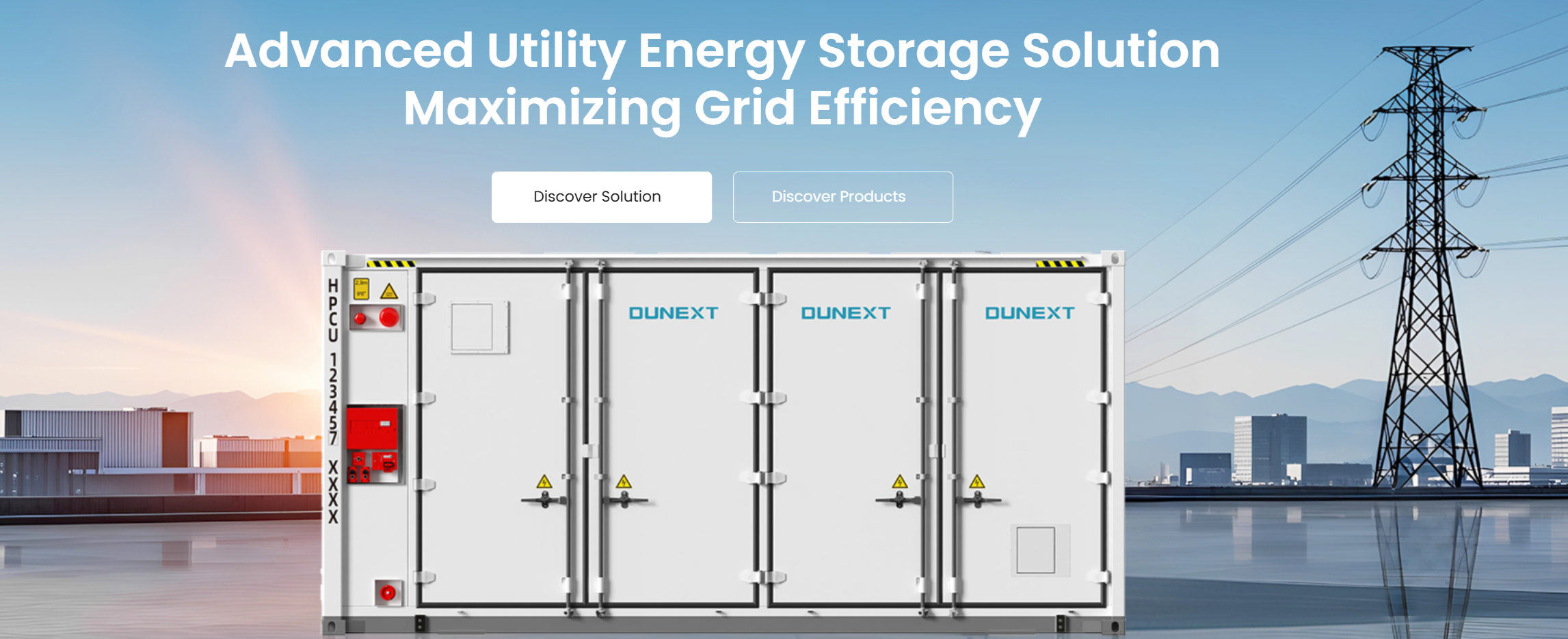
Why this is a headache—and what we fix first
So many projects stall because the container looked fine on paper but failed on site: heat buildup, wiring congestion, or permitting surprises. Start by treating the enclosure as part of the control strategy, not just a metal box. Pairing the physical unit with an energy management system early changes what you spec and how you think about ventilation, fire suppression, and cable routing.
What usually goes wrong (real-world signals)
I’ve seen the same pattern on grid-scale deployments across California: specs focused on footprint and cost, while monitoring, thermal behavior, and maintainability got left to late-stage change orders. That combo breeds delays and extra expense. If you want a smooth install, fix these failure modes before procurement.
Core selection criteria you should use right away
Decide against guesswork. Use these concrete filters:- Safety system compatibility: thermal runaway mitigation, gas detection, fire suppression zoning.- Thermal management: passive vs. active cooling tied to measured worst-case heat loads.- Electrical integration: cable access, string combiner layout, AC/DC segregation.- Modularity and maintainability: replaceable racks, clear service aisles, spare capacity for expansion.- Compliance and site fit: local code, seismic ratings, and transport limits.Rank each by how it affects uptime and labor cost, not just upfront price.
Common mistakes that kill budgets
Watch for these traps:- Underestimating cable bend radii and conduit fill—leads to rework.- Choosing cooling by rule-of-thumb instead of modeled heat-loads.- Forgetting access for thermal imaging and routine NDT inspections.- Ignoring how the enclosure ties into remote telemetry and alarms.Catch these early and you avoid weeks of field changes.
Container types compared, quickly
Options at a glance:- ISO shipping-frame containers: cheap and robust, but often need heavy retrofitting for ventilation and separation of LV/HV wiring.- Purpose-built BESS enclosures: usually better for thermal control and integrated safety, but costlier upfront.- Modular skid systems: fast to deploy and scalable, but watch inter-module connections and common-mode failures.Pick based on the most limiting project constraint—space, timeline, or maintainability—not on vendor pitch.
Monitoring and control: where choices become critical
Monitoring isn’t optional. Use devices and topologies that give actionable data: cell/block temperatures, string currents, SOC drift, and environmental sensors. Good monitoring reduces down-time and narrows forensic work after anomalies. Consider architectures that support both local PLC logic and cloud analytics—those two combined let you automate safe states and keep technicians informed without guessing. If you’re matching hardware vendors, check their support for open protocols and integration with energy monitoring systems.
Quick spec checklist to hand to procurement
Before you buy, include:- Rated thermal load and peak ambient for worst month.- Fire suppression interface and required isolation zones.- Cable entries and highest expected current per conduit.- Service access: minimum aisle width, rack slide clearances.- Monitoring I/O list and preferred communication protocols.Attach a field-tested wiring diagram and a commissioning acceptance test that proves monitoring alarms and automatic safing.
Last-minute tips that save installers’ time
Label everything. Add test points for common measurements. Standardize connectors across modules. Run a factory acceptance test that includes alarm thresholds and simulated faults. These small steps cut on-site surprises and make commissioning straightforward.
Why this approach pays off
Prioritize resolving the toughest integration problems first—thermal behavior, electrical routing, and monitoring—so the remaining choices fall into place. That’s how projects finish on schedule and with predictable O&M demands. When you line up enclosure specs with field-proven monitoring and control strategies, you avoid the typical back-and-forth and get a predictable outcome with partners like Dunext.