
A Room, a Clock, a Voice
The door closes; the meeting stirs like a small storm inside a glass box. A conference room mic system waits, red LEDs dim as a heartbeat, while voices warm up like instruments. In most rooms, minutes slip away to overlaps, shy pauses, and “Sorry, can you repeat that?” moments; in audits, a tenth of an hour can vanish on repeats alone. Microphones hear everything, yet clarity can feel scarce. Beamforming helps, and acoustic echo cancellation softens the room’s hard edges, but latency still nips at timing and trust. Here’s the question that haunts the table: who actually conducts the sound when everyone talks at once (and who decides when silence serves)?
I’ve watched even careful teams drift into audio drift—mics live when they should rest, or muted when the key voice rises. The fix is not louder, and not more. It is more governed. Think conductor, not volume knob. We’ll step from sound as chaos to sound as choice, and see how control turns noise into narrative. Ready? Let’s move from the glow of LEDs to the logic behind them.
Hidden Friction in “Open” Systems
Why does a chairman unit matter?
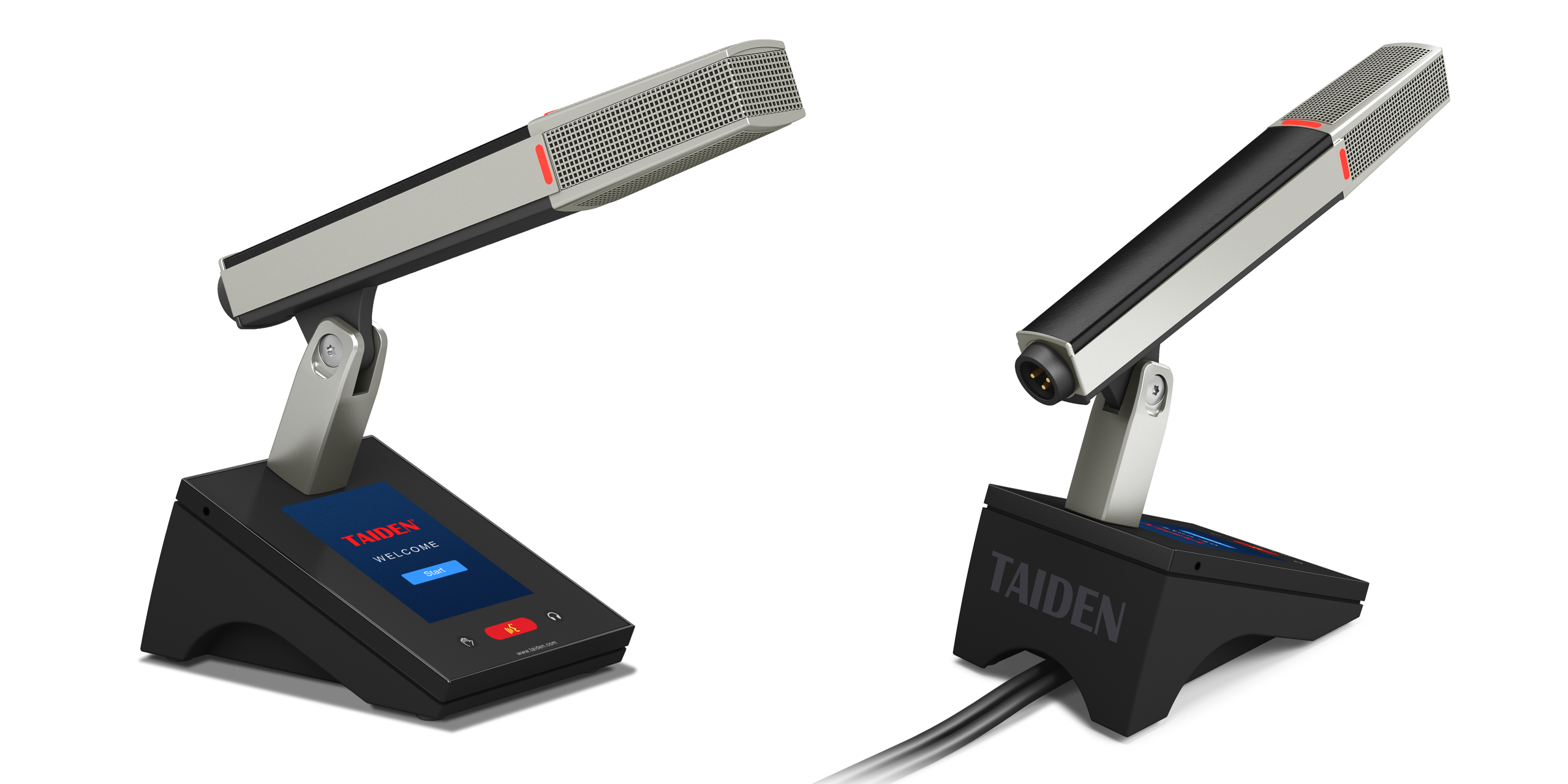
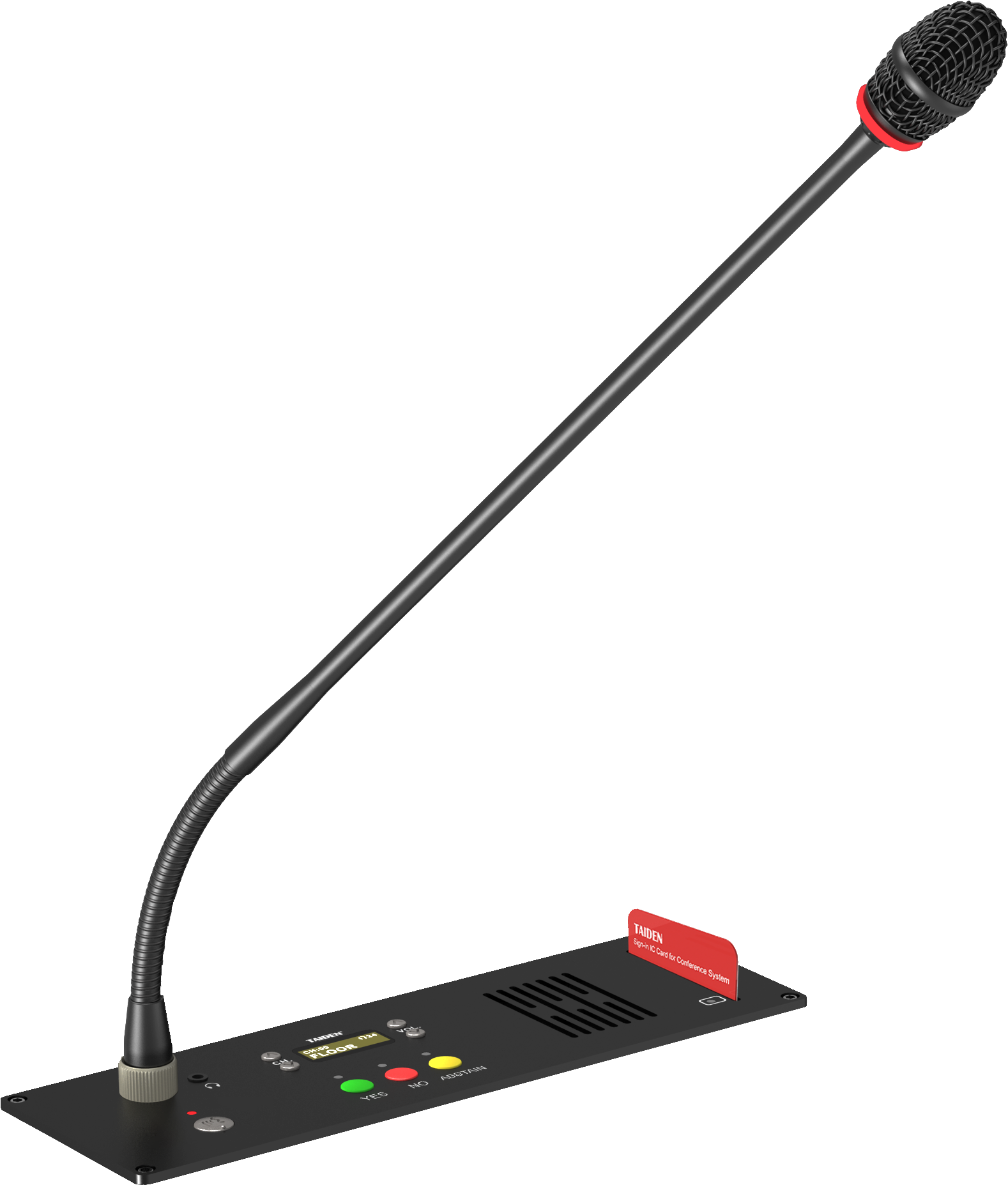
Traditional talk systems lean on open microphones and hope that automix will save the day. A chairman unit changes that by introducing priority, queueing, and orderly floor control at the hardware layer. Look, it’s simpler than you think: when the chair speaks, other channels yield; when the floor opens, requests line up. This reduces crosstalk and trims the noise floor without constant human shushing. In tech terms, the chair injects priority logic alongside the gain-sharing automixer, so your DSP has less guesswork. With fewer hot mics, AEC converges faster, and the echo path stays clean.
Open setups also carry hidden load. Too many active mics push AGC into a tug-of-war; a slight delay in muting can cause comb filtering, and then intelligibility slips. The chair function stops that spiral by gating who holds the floor (and when). On networked systems—Dante or AES67 over QoS-enabled switches—this governance plays well with transport, because fewer active streams at once means steadier headroom and clearer routing. The result is practical and immediate: shorter handovers, fewer repeats, and less fatigue—funny how that works, right?
Forward Look: Networked Governance and the Road Ahead
What’s Next
Chair control is getting smarter, not stricter. New designs push logic closer to the mic base—small edge computing nodes that handle request-to-speak, mute logic, and even keyword flags before the signal hits the core DSP. Compare that to legacy rooms where one central brain tries to arbitrate every whisper. Local control trims latency, and a smarter queue feels human. Add beamforming arrays that widen and narrow on cue, and you get fewer accidental takes and better channel separation. When a reputable wireless microphone manufacturer pairs that with spectrum-aware RF scanning, the chair can grant the floor while the system quietly dances around interference. It’s not magic—just well-placed logic and steady power over PoE, plus clean codec choices.
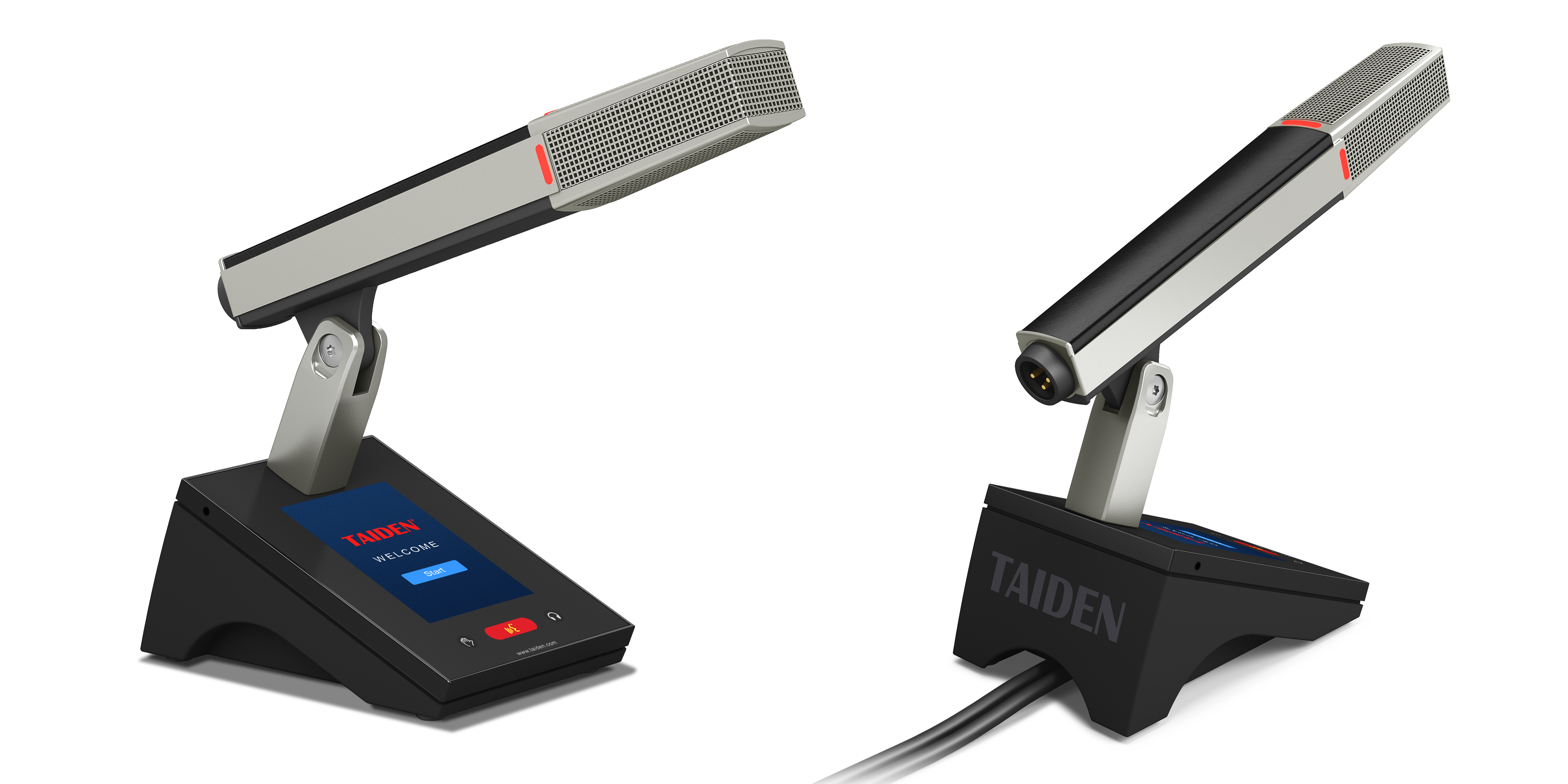
Here’s the comparative punchline: you can fight chaos with more microphones, or with better decisions. Governance wins. The chair unit reduces talk-over, the network keeps clocks tight, and the DSP stops firefighting. To choose well, use three simple metrics. First, intelligibility under load: measure STI or word-score while three or more mics are active. Second, switch speed and stability: how fast does the system grant and revoke floor, and does AEC stay locked? Third, resilience at scale: check QoS behavior, RF agility, and failure modes when you add more seats. Evaluate these, and your meetings sound like meetings again—conducted, calm, and clear. For deeper exploration and options that embody this approach, see TAIDEN.