

The problem — tariff structures are eating margins
Businesses today wrestle with tarifffootguns: demand charges, time-of-use rates and reactive power penalties can turn predictable consumption into unpredictable bills. For many procurement teams the real issue isn’t just price per kWh — it’s the tariff structure and how peak events amplify costs. That’s where a deliberate placement of commercial battery storage and integrated systems can actually change the game. The 2021 Texas power crisis is a good real‑world anchor here — it showed how grid stress magnifies tariff exposure and why behind-the-meter resilience matters for large sites.
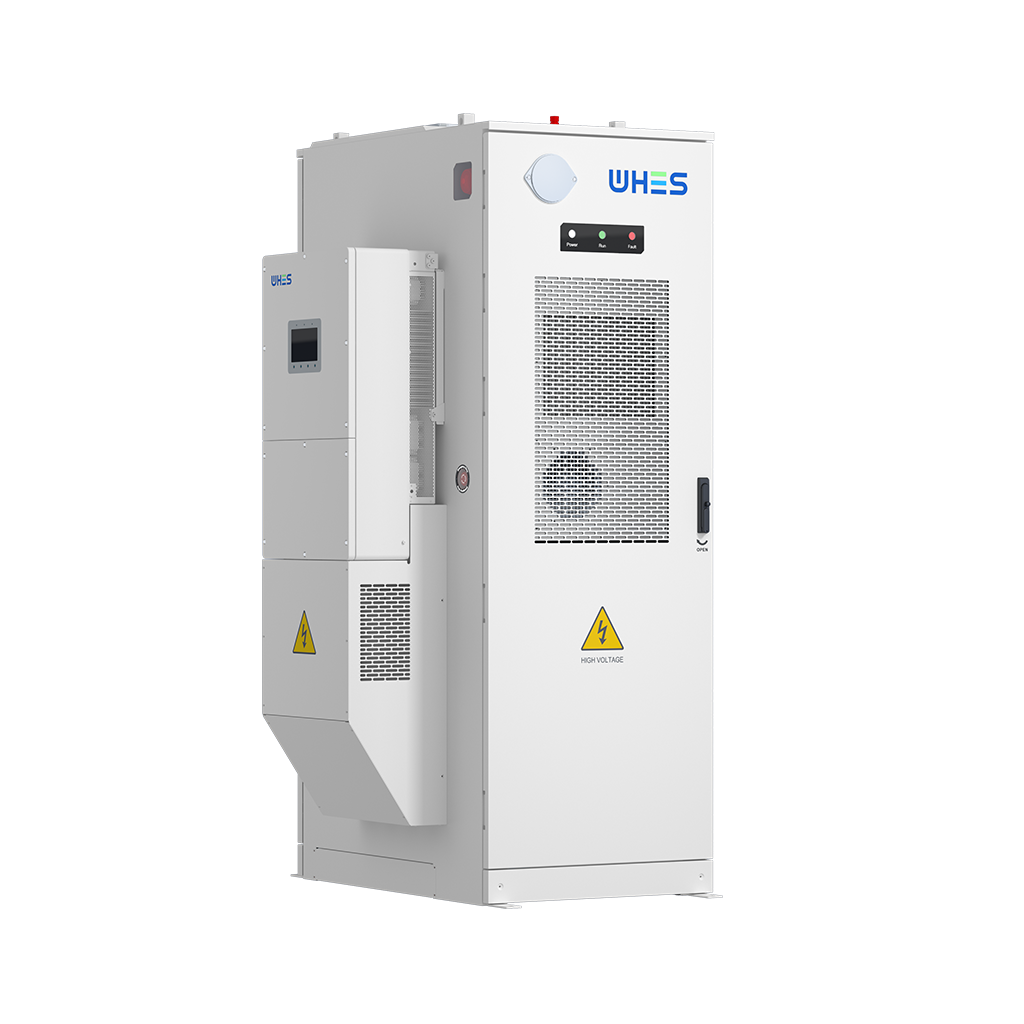
Why placement matters for procurement decisions
Tariff optimisation isn’t only about system capacity. It’s also about where you locate assets relative to load centres, meter points and generation. Place a battery at the right point and you reduce demand charge spikes; place it in the wrong spot and you’ll miss that peak shaving window. Procurement teams need to think in terms of electrical topology and commercial policy — not just hardware specs. Industry terms like demand charge, inverter sizing and peak shaving should be part of any tender brief.
Core placement strategies that actually cut costs
Here are practical strategies procurement teams can use to overcome tariff structure challenges:
- Edge placement at high‑demand subpanels — prioritise loads that drive the highest demand charges.
- Centralised plant for shared services — a single all‑in‑one system can serve multiple meters if tariff rules allow aggregation.
- Hybrid placement with PV + storage — colocate storage with solar to maximise self‑consumption and reduce import during peak periods.
Each approach affects procurement differently: tooling, interconnection agreements and OPEX forecasts change with placement. Consider behind-the-meter metering rules and any local constraints on export or aggregation before committing.
How to model tariff impact — simple steps for procurement teams
Don’t buy on headline capacity alone. Run a three‑scenario model: base load only, peak shaving, and full resilience (islanding). Use historical interval data where possible to estimate demand charge reduction and run a sensitivity on time‑of‑use windows. Keep the modelling fluid — tariffs change. Also factor in inverter efficiencies and round‑trip efficiency for batteries to get realistic savings.
Integration headaches and how to dodge them — practical tips
Common integration risks are control logic clashes, meter point ambiguity and poor commissioning. A few ways to avoid those pitfalls:
- Clarify the control hierarchy: grid‑tied inverters, site EMS and utility meter interactions must be mapped before installation.
- Lock down acceptance tests tied to tariff outcomes — simulate peak events during commissioning to validate peak shaving performance.
- Negotiate interconnection terms early — export limits or aggregation rules can scupper an otherwise sound placement plan.
Also remember to document who owns the operational logic post‑commissioning — procurement often assumes the vendor will manage controls, but that’s not always the case. — This simple oversight can lead to months of suboptimal operation if not resolved up front.
Sizing, contracts and commercial energy storage solutions
Sizing is both technical and commercial. Oversize and you waste capital; undersize and you leave tariff savings on the table. Match battery megawatt-hours to the duration of the tariff event and ensure inverter ratings handle the required discharge power. Procurement should include options for warranties, performance guarantees and remediations for underperformance. When comparing offers, look for turnkey firms that provide full lifecycle services — from design through O&M — and check their track record with commercial energy storage solutions in similar tariff regimes.
Common procurement mistakes to avoid
Three mistakes recur:
- Buying solely on capital cost per kWh without factoring in demand charge reduction potential and lifecycle value.
- Assuming a single placement fits every meter — local grid rules or site layout often force multiple assets.
- Skipping realistic commissioning tests tied to actual tariff events — simulation beats assumption every time.
Advisory — three golden evaluation metrics for selecting the right strategy
When assessing bids and placement plans, use these three metrics as your north star:
- Tariff‑adjusted payback: model savings under historical peak periods and express payback in tariff‑adjusted terms, not just simple ROI.
- Effective peak reduction: measure expected reduction in demand charge (kW) during the highest billing interval — this is the practical value of placement.
- Operational availability: verify guaranteed availability and round‑trip efficiency under vendor SLA — uptime during peak windows is everything.
Use these metrics to compare apples with apples across suppliers and placement strategies — they keep the conversation practical rather than speculative.
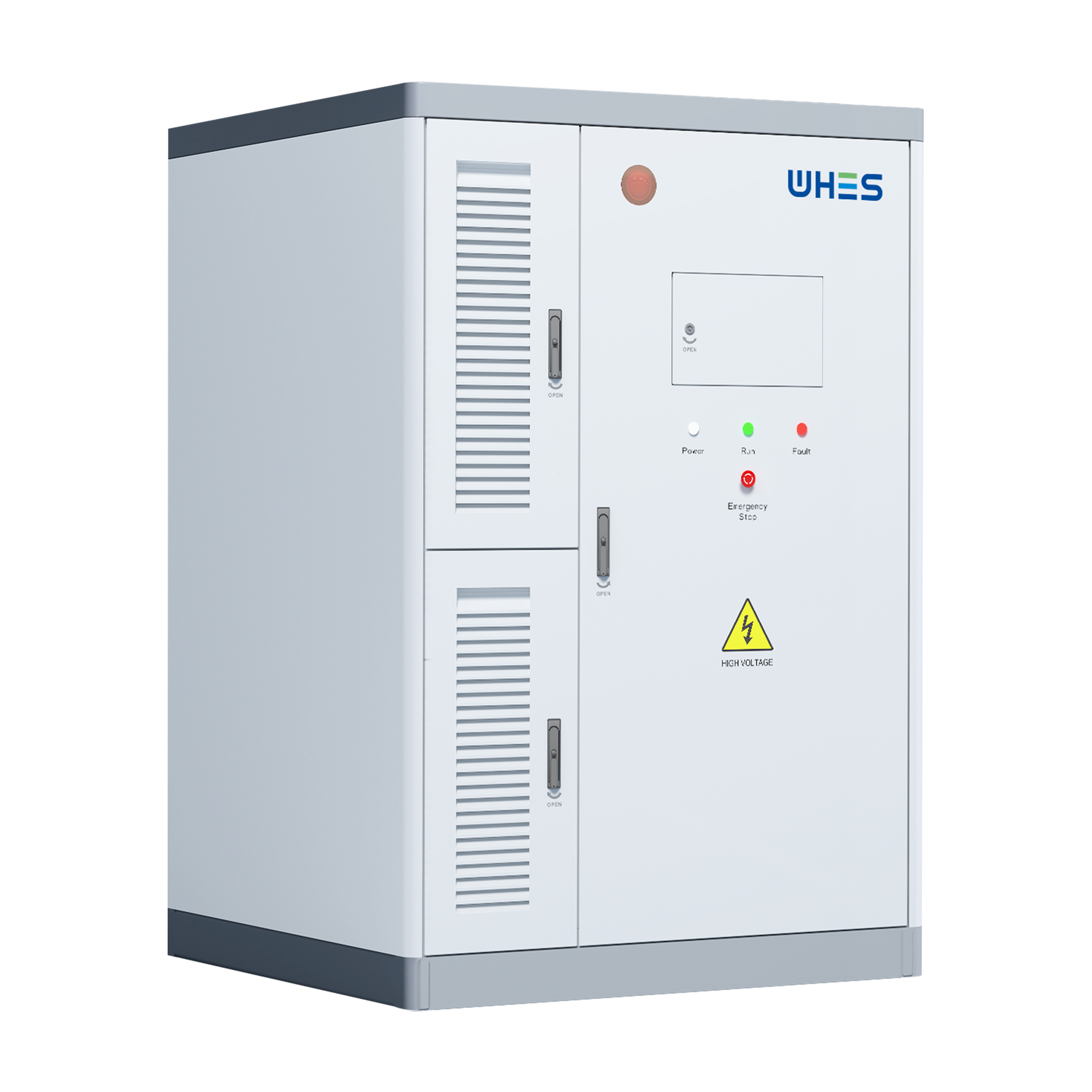
For pragmatic, end‑to‑end results on commercial projects, partner with proven integrators who tie placement decisions to measurable tariff outcomes — that’s where the value sits. WHES. —