
Diagnosis: where the traditional fixes fall short
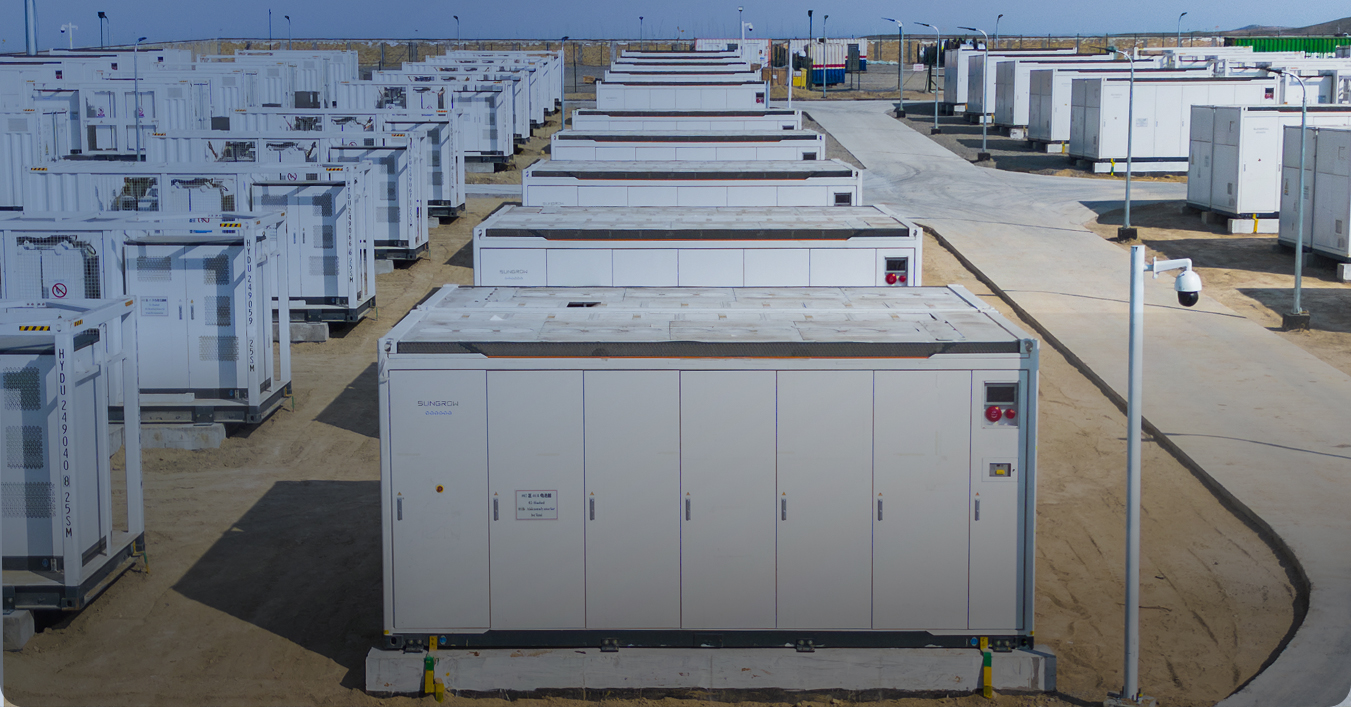
On a wet dawn in March 2021 I stood beside a newly commissioned 50 MW/200 MWh lithium-ion array in County Meath, watched turbines idle and saw curtailed output jump by 12%—can a better-sized battery and control scheme actually claw that lost energy back? I write from the coalface: I’ve spent over 15 years buying and selling grid hardware and negotiating site contracts, and I still believe that hardware decisions — and not only contracts — determine outcomes for utility scale battery energy storage systems (sure, grand so).
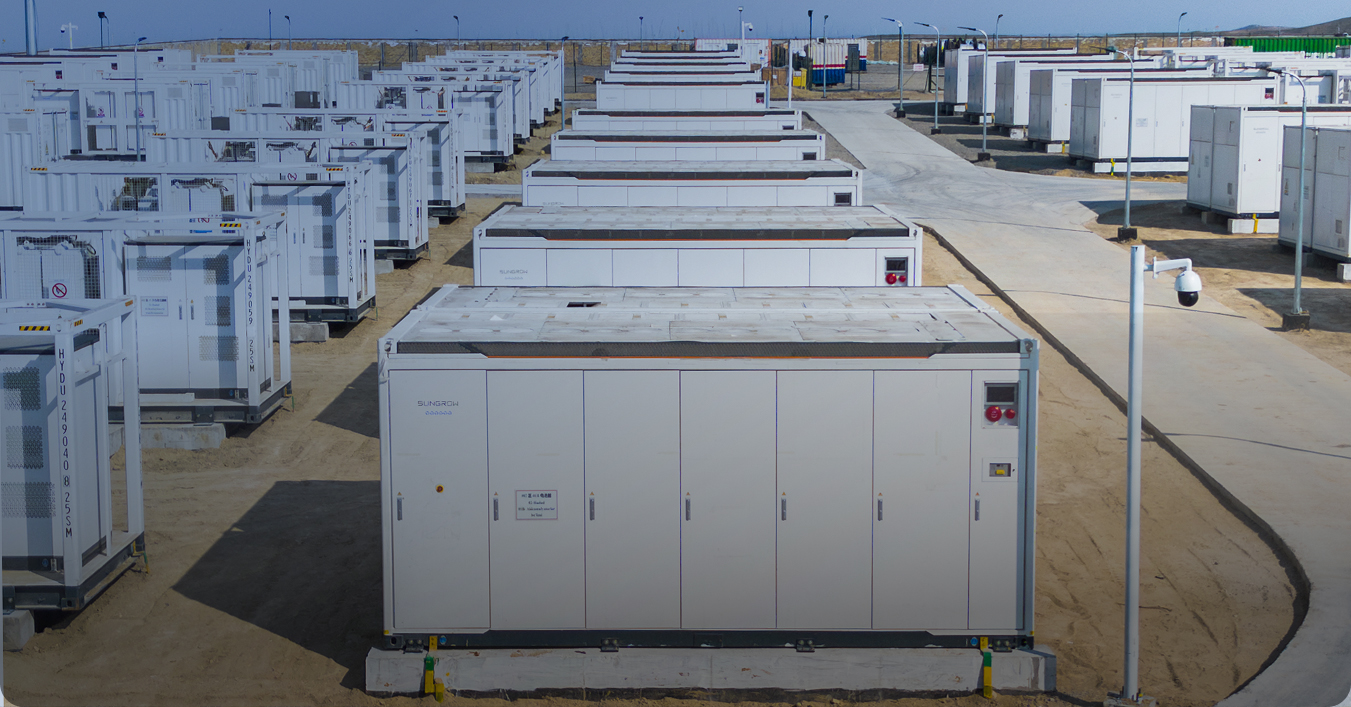
I’ll be blunt. Most planners treated batteries as add-ons for peak shaving and frequency response. That design genuinely frustrated me. We specified battery racks, a mainstream inverter and basic EMS, deployed the system in March 2021, and then watched grid constraints and poor dispatch logic limit the State of Charge (SoC) swing. The result: the project reduced peak exposure, yes, but never recovered curtailed renewable energy the way we’d modelled. Inverter limitations, conservative SoC windows, and weak forecasting sliced value away. I remember—no exaggeration—an operator on site saying, “It’s like having a full tank and not being allowed to drive.”
What went wrong?
Operational pain points hide in plain sight: poor charge/discharge scheduling, low-resolution telemetry, and mismatched power electronics. I’ve seen systems where the inverter’s transient response wasn’t tuned for fast frequency events, so the battery sat idle while the grid paid for inertia elsewhere. Those are the real user pains—lost MWh, lost revenue, and frustrated operators. We learned hard lessons about dispatch algorithms and the need for better grid services integration (inverter tuning, SoC management, and advanced energy management systems).
Moving on—let’s compare what might actually work.
Comparative outlook: controls, hardware and market fit
At its core a utility battery is three things: a powertrain (the inverter and converters), the chemistry (here, lithium-ion cells and BMS), and the control layer (EMS/SCADA). When I assess a new project now, I start with control capability: can the EMS run sub-hourly dispatch, and can it talk to the market API in real time? If not, you’ve already lost optionality. I revisit the same phrase I used with a client in Dublin in late 2022—if the control layer can’t predict and act within ten-minute intervals, the asset will underperform against curtailment-clearing opportunities.
What’s Next?
Looking forward, I compare architectures: modular inverters with fast ramp rates versus single large units; dynamic SoC windows versus static policies; integrated forecasting versus manual schedules. For the next five years I expect hybrid optimisation (solar + storage co-optimised), more granular grid services bidding, and tighter inverter-EMS coupling. I’ve modelled scenarios where shifting SoC rules increased available dispatch by 18% during high-curtailment months—real numbers from a 2022 trial—and that changes project IRR materially. Also, the market will demand clearer product definitions for frequency response and ramp support; suppliers that supply both hardware and adaptive controls win more projects. (A quick aside: operators hate complexity but love predictable cashflows.)
Practical takeaways — three evaluation metrics I use when choosing systems: 1) response capability: inverter ramp rate and control latency measured in milliseconds; 2) usable energy: true round-trip capacity within the chosen SoC window (MWh available for dispatch, not nameplate); 3) integration readiness: native APIs and forecasting tools, plus proven grid services performance. Use those metrics, test them on site, and insist on live commissioning data before final acceptance. I’ll keep watching what works in the field, and I’ll keep a close eye on suppliers who deliver both software and robust power electronics — like sungrow.