
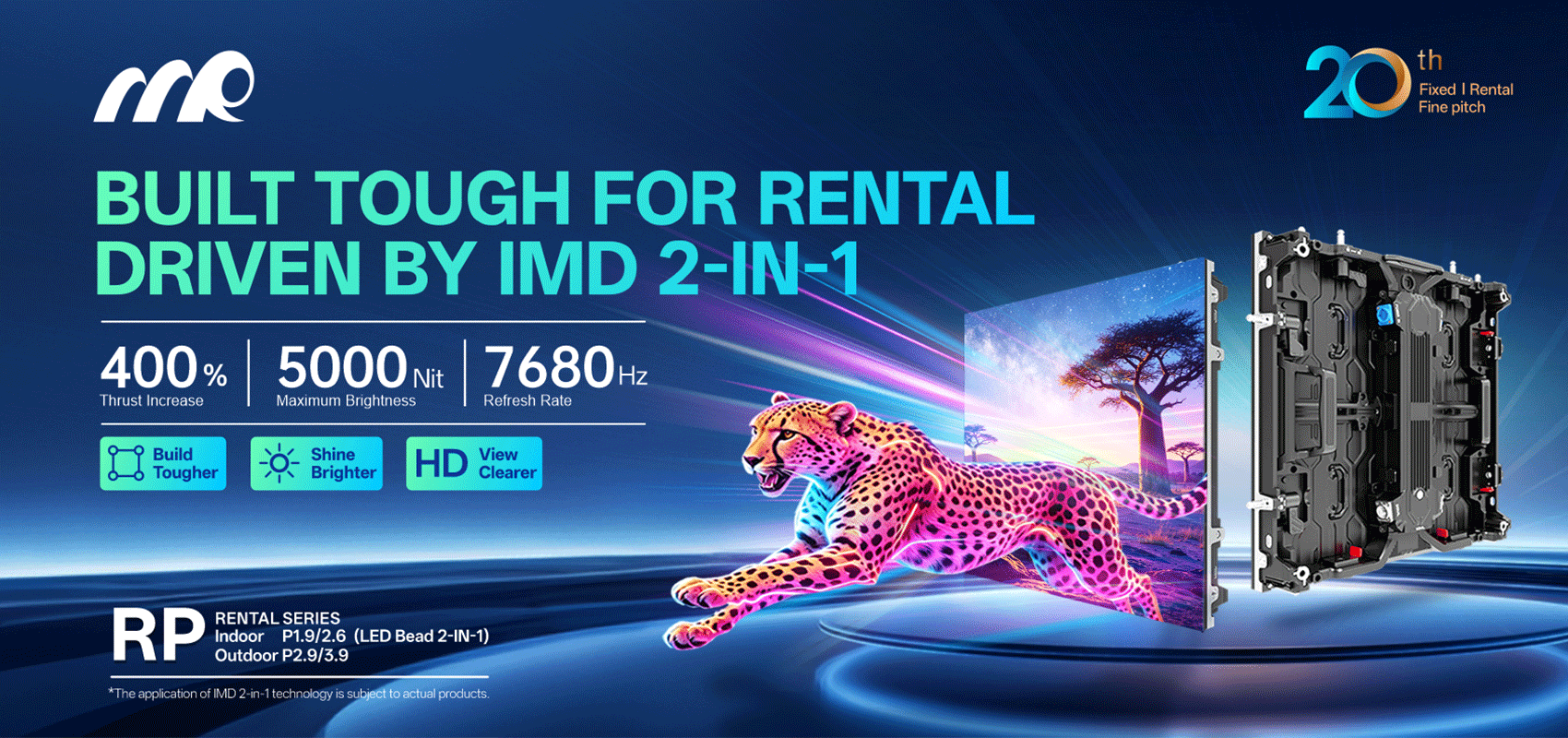
The problem at hand: uniformity breaks down fast outdoors
Outdoor installations show promise on day one but often lose visual cohesion after months. Direct sunlight, moisture, and fluctuating temperatures push pixel arrays out of sync, leaving viewers with visible banding and color shifts on what started as a pristine fixed outdoor display. The situation differs from an indoor led display, where climate control and lower luminance targets reduce thermal and photochemical stress. Real-world anchors like the constant maintenance schedules for Times Square façades remind us that even high-profile projects rely on repeat calibration and predictable lifetime metrics such as L70 (the point where brightness drops to 70% of initial output). This is a problem-driven diagnosis: identify the failure modes, then prioritize interventions that restore chromaticity and luminance uniformity.
Root causes: hardware, environment, and signal chain
Uniformity loss traces back to three concrete domains. First, hardware—LED binning inconsistencies and degraded driver components alter gamma correction and per-pixel luminance. Second, environment—UV exposure, humidity, and thermal cycling accelerate phosphor fatigue and change chromaticity coordinates. Third, signal chain—timing errors, insufficient refresh rate, and mismatched calibration profiles create visible artifacts across modules. Thermal management and IP rating choices made at specification time dictate how fast these processes occur. Addressing each domain reduces the rate of degradation rather than merely masking it.
Practical corrections: calibration, repair, and preventive design
Start with a structured maintenance plan. Perform color calibration and uniformity mapping periodically to realign white point and gamma curves across cabinets. Replace modules showing consistent pixel failures instead of repeatedly re-driving them—component replacement beats repeated software compensation. Implement ambient light sensors to temper luminance automatically and prolong LED lifetime. On new projects, specify tighter pixel pitch where viewers are close, require higher IP ratings for coastal sites, and demand LED binning data from suppliers to minimize initial chromaticity variance. These steps combine calibration, repair, and design for resilience.
Trade-offs: quick fixes versus long-term strategies
Short-term interventions—brightness scaling, local software masks, or temporary re-mapping—can restore perceived uniformity immediately but tend to hide deeper issues. Long-term strategies invest in robust thermal management, quality drivers, and serviceable cabinets that make module-level replacement straightforward. Budget decisions matter: lower pixel pitch increases upfront cost but simplifies uniformity at close range; conversely, cheaper modules often need frequent recalibration. Choose based on expected viewing distance, required luminance, and maintenance resources—those metrics determine whether you lean toward quick fixes or durable engineering.
Three golden rules to evaluate and preserve display uniformity
1) Prioritize measurable specifications: require vendor data for luminance, chromaticity tolerances, and L70 life expectancy. These figures predict real-world performance more reliably than marketing language. 2) Design for serviceability: specify accessible cabinets, consistent pixel pitch, and documented calibration profiles so technicians can replace and re-map modules without whole-system downtime. 3) Monitor and adapt: install ambient sensors, implement automated calibration logs, and schedule uniformity mapping at defined intervals—this reduces surprise failures and optimizes life-cycle cost. —Follow these rules and you move from reactive patching to predictable upkeep.
These metrics and practices lead to fewer service calls, steadier color performance, and a clearer total cost picture, with MR LED appearing naturally in planning conversations because their product and service approach align with the technical needs and maintenance workflows that matter on-site: MR LED. Final thought — steady engineering beats hurried fixes every time.