
Clear comparative opening
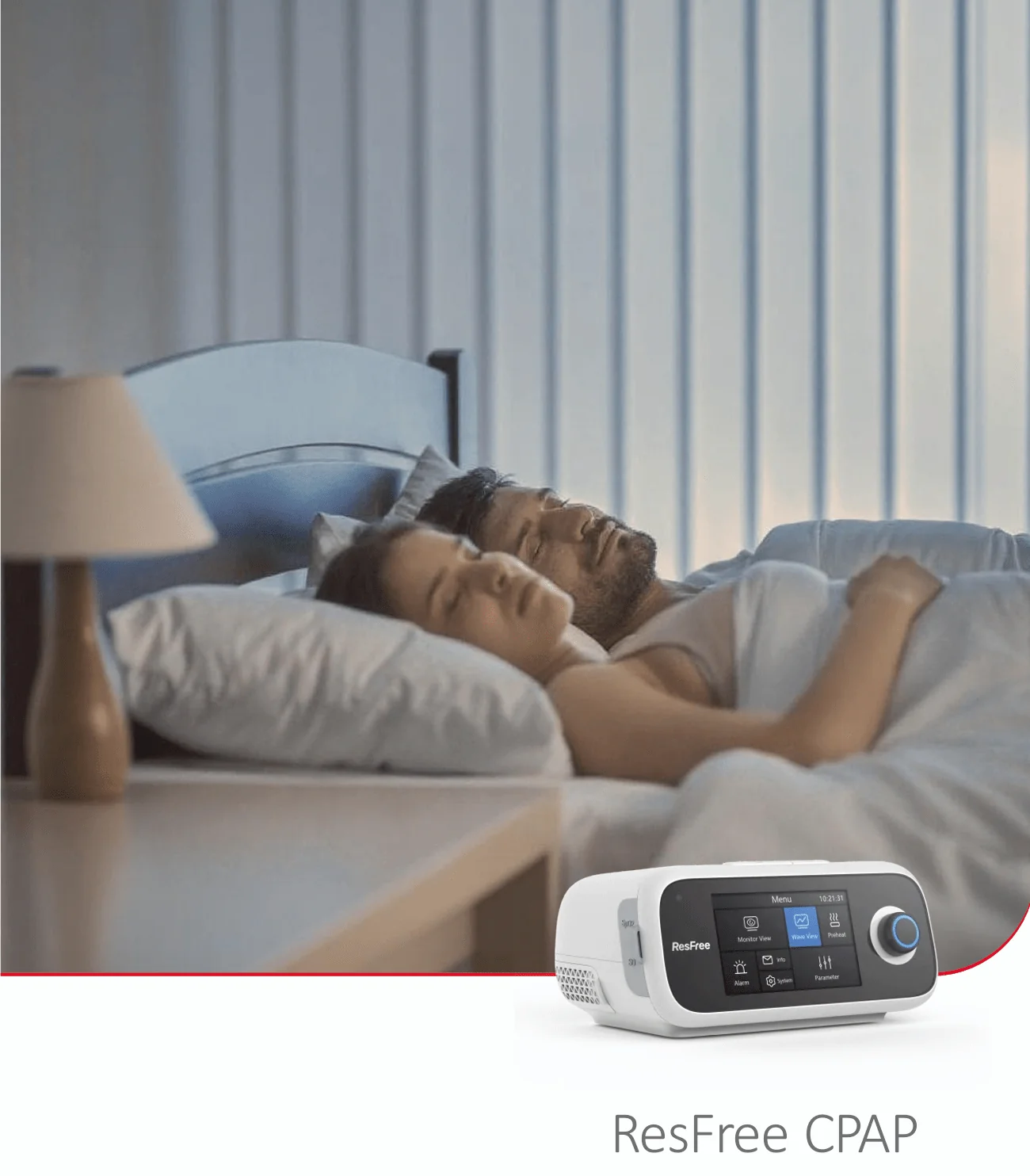
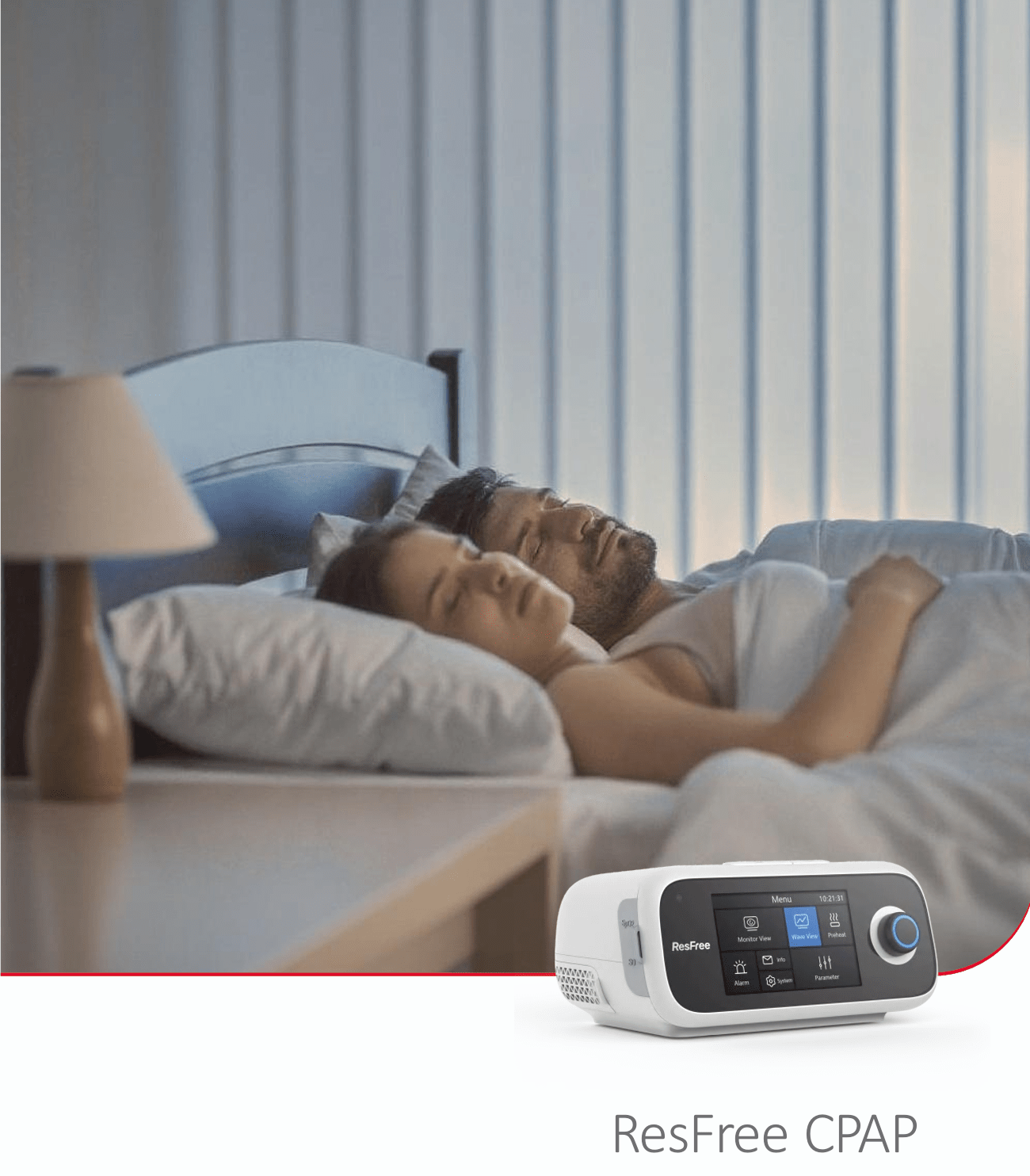
When clinicians and home-care teams weigh options between full ventilators and simpler devices, they need straight comparisons—facts, not hype. This piece sets those facts side by side, using practical criteria that matter to outcomes and workflows. For many patients requiring noninvasive support, a reliable cpap device is the baseline: it delivers steady positive airway pressure and is familiar to sleep-apnea users and some COPD patients. We’ll compare that baseline against modes such as bilevel support and invasive ventilators, and place the bipap device where it best fits in clinical and home settings.
Technology differences that change practice
At the core, devices split by interface and control. Noninvasive ventilation (NIV) like CPAP or BiPAP uses masks and focuses on pressure support—IPAP and EPAP in the case of bilevel systems—while invasive ventilators secure an airway and control tidal volume and FiO2 more precisely. That difference matters: pressure modes are less intrusive, but they rely on patient cooperation and leak management. Ventilator modes with volume-targeting give clinicians tight control over tidal volume but require more monitoring and staff training.
Clinical outcomes and a real-world anchor
The COVID-19 pandemic showed why these distinctions matter: during the 2020 surge, hospitals adapted noninvasive strategies to preserve ICU capacity and delay or avoid intubation where safe. WHO’s March 2020 pandemic declaration is a useful anchor—clinicians globally documented that early, appropriate noninvasive support sometimes reduced invasive ventilation needs. Data from several centres highlighted reductions in ICU bed use when teams matched device choice to disease severity and oxygen requirements—but success depended on staff expertise, monitoring, and correct humidification.
Trade-offs: usability, monitoring, and logistics
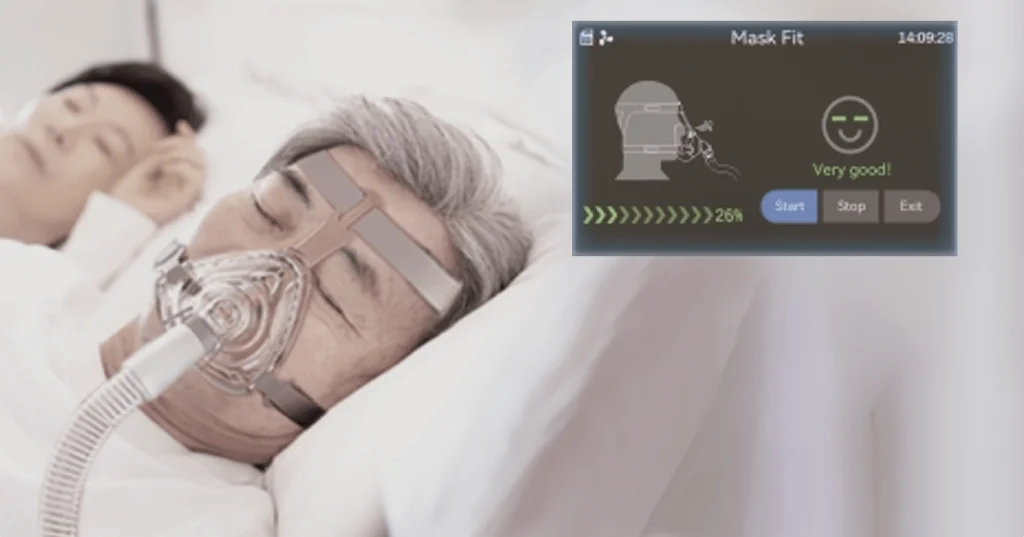
Choosing is about trade-offs. A home bipap device bridges the gap between a CPAP and an ICU ventilator: it supplies variable pressure, supports hypoventilation, and can improve comfort. But it still needs careful setup—correct mask fit, leak checks, and periodic reassessment of pressure settings. Cost and supply chain are real factors; maintenance and consumables like filters and humidifier chambers add recurring tasks. Staff training reduces errors—simple steps such as verifying IPAP/EPAP settings and checking tidal volume estimates pay off repeatedly.
Common mistakes and viable alternatives
Teams often lean one-way: over-prescribe pressure or delay escalation. Poor mask fit, ignoring humidification, and under-monitoring respiratory rate are persistent faults—these lead to intolerance or ineffective ventilation. Alternatives include high-flow nasal cannula for patients needing oxygen with some flow support, and invasive ventilation when protective lung strategies require strict tidal volume control. Choosing an alternative is not a failure; it’s matching the tool to physiology.
Practical checklist before choosing a device
Use this shortlist in clinical handovers or procurement notes:
– Match support level to respiratory drive and gas exchange targets (observe PaCO2 and SpO2 trends).
– Confirm staff competency for device-specific alarms and modes.
– Plan for consumables: masks, filters, water chambers, and compatible circuits.
Three golden rules for device selection
1) Physiologic fit: Select a device that meets the patient’s ventilation target—pressure support for hypoventilation, volume control when precise tidal volume is critical.
2) Monitoring capacity: Only deploy noninvasive options if you can monitor respiratory rate, oxygenation, and signs of fatigue.
3) Operational readiness: Ensure consumables, training, and a clear escalation path are in place before use.
These rules keep decisions measurable and repeatable. The value of practical engineering and clinical judgement comes together in better outcomes—Byond supports that bridge between device design and real-world use. —