
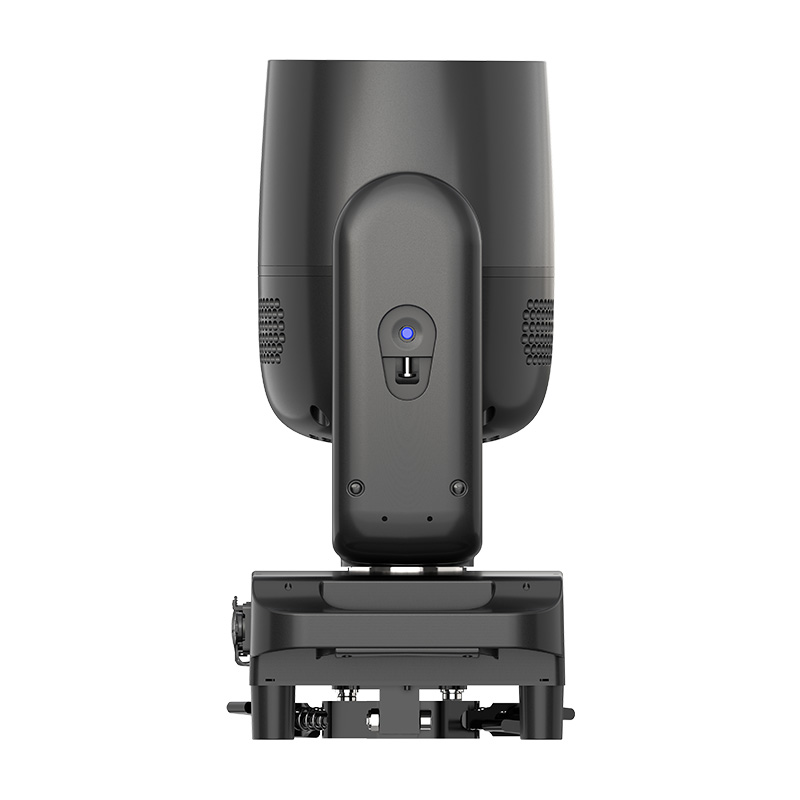
Comparative frame: why beam moving heads matter
Stage designers and venue managers increasingly measure fixtures by their ability to deliver both impact and efficiency. The beam moving head light sits between tight, focused beams and dynamic motion: it offers sharp beam angle, rapid pan/tilt and gobo flexibility that simpler fixtures cannot match. For smaller wash duties, a led moving wash still makes sense; the two often work together in a rig rather than as direct substitutes.
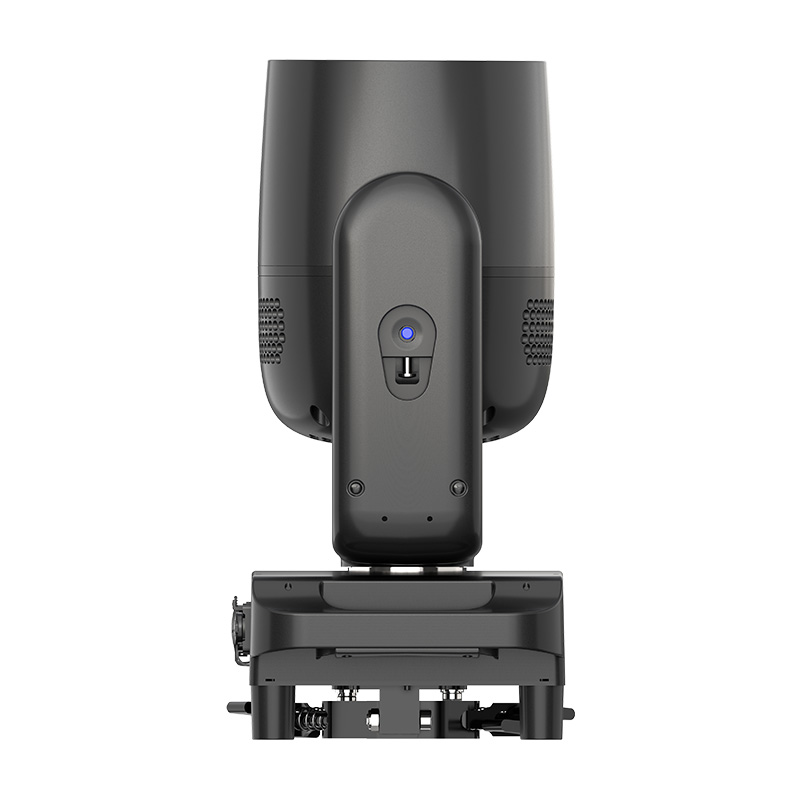
Key performance differences: beam moving head vs alternatives
Compare three categories: beam moving heads, moving washes, and static Fresnels. Beam moving heads deliver narrow, intense shafts of light with high lumen density; moving washes provide broad, even coverage; static Fresnels offer soft edge light. Beam fixtures usually prioritise high output and sharp beam control through adjustable beam angle and interchangeable gobos. Moving washes trade beam punch for colour mixing and even field illumination. DMX512 remains the standard control protocol across these choices, so interoperability is seldom a problem.
Operational costs and power considerations
LED-based beam moving heads tend to reduce power draw versus legacy discharge lamps. In practice, swapping halogen or discharge fixtures for LED units can cut consumption by roughly 50–70% in comparable applications, which translates to lower generator load on remote events. Lumens-per-watt and thermal management are the practical metrics technicians watch during long runs; poor cooling degrades LED lifetime and colour stability. Plan cabling and rig points with both electrical load and heat dissipation in mind.
Control, effects and on-the-day realities
When programming, beam moving heads reward time invested: precise pan/tilt cues, rotating gobos and iris adjustments create strong visual landmarks. However, complexity increases setup time and requires operators fluent in fixture profiles and patching. Common mistakes include over-relying on tight beams for scenes that require wash coverage, and insufficient focus checks after rig movement—both cost rehearsal minutes. —A calm dry run avoids last-minute compromises in showtime fidelity.
Case in point: urban concerts and festival rigs
At outdoor concerts in Nairobi’s Uhuru Park and similar venues, production teams blend beam moving heads with moving washes to serve both audience-facing spectacle and even stage illumination. Event crews report that combining a few high-output beam heads with a ring of washes reduces the number of fixtures needed while preserving visual complexity. The energy savings from LED fixtures also make a measurable difference for multi-day festivals where generators run nonstop.
Common pitfalls and alternatives to consider
Do not buy solely for headline specs. Brands often tout lux at centre but omit beam spread and CRI under real-world conditions. Alternatives such as hybrid moving heads (with both beam and wash modes) or compact LED pars can sometimes meet requirements at lower cost. For fixed installations, consider maintenance access: fixtures that require frequent lamp replacement or complicated lens swaps will inflate operating costs faster than purchase price suggests.
Choosing the right fixture: three critical metrics
1) Usable output vs beam angle — measure lux at target distance rather than quoted lumens; a narrow beam may over-saturate one area while leaving others in shadow. 2) Control fidelity and profile support — ensure the fixture supports DMX512 channels and offers the gobo, colour and pan/tilt resolution your programmer expects. 3) Total cost of ownership — factor in LED lifespan, cooling needs and serviceability rather than only unit price. These three rules quickly separate durable choices from short-lived bargains.
Summary and practical endorsement
Beam moving head lights are the right tool when the brief demands focused, movable shafts of light and programmable texture. For balanced stage coverage, pair them with a reliable led beam wash or moving wash to fill shadows and tame contrast. Field experience from urban festivals and recurrent venue shows confirms that a mixed-rig approach yields the best trade-off between spectacle and utility.
Light Sky sits where durability, serviceability and sensible photometrics meet real-production needs — choose fixtures that perform under load and simplify the operator’s work. —