
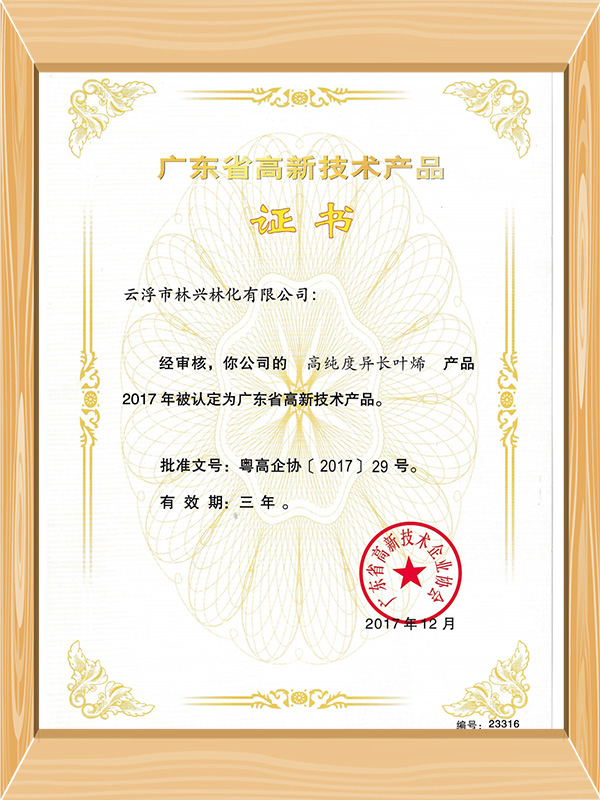
The problem that quietly costs brands
Many formulators wake up one morning and find their scent profile shifted — not because the perfumer changed anything, but because the raw aromatic feedstock changed. Paracymene variability is one such silent culprit. When your paracymene feedstock drifts in purity or impurity profile, isomerization and minor terpene content can alter odor top notes, stability, and even solvent behaviour on the fill line. For brands selling to sensitive markets, that small change becomes a big complaint — returns, reformulation, regulatory checks. You cannot have brand trust wobble just because a batch of raw material was inconsistent, lah.

Root causes: why batches fluctuate
Batch fluctuation usually traces back to upstream variability. Three common causes: inconsistent feedstock (pine resin grades differ by region), processing differences (fractional distillation cut points shift), and blending or storage issues (temperature, oxygen exposure). In some regions, producers source resin from mixed pine species which changes the monoterpene composition. Historical industries like the naval stores of Savannah, Georgia show how supply geography long influences product quality — a useful real-world anchor to understand scale and legacy supply chains. When any of these factors move, the paracymene fraction can carry extra solvent residues or altered impurity profiles, and your perfume’s character changes with it.
How this translates to manufacturing headaches
If your QC tolerances are tight, even a 0.5% shift in paracymene purity matters. Effects include unexpected interaction with other aromachemicals, altered evaporation curves, and aroma instability during aging. On the fill line you may see clogging or inconsistent spray performance when solvent behaviour changes. For private-label manufacturers operating multiple SKUs, this means lost time recalibrating atomizers or re-evaluating headspace — all of which eats margin and launch schedules.
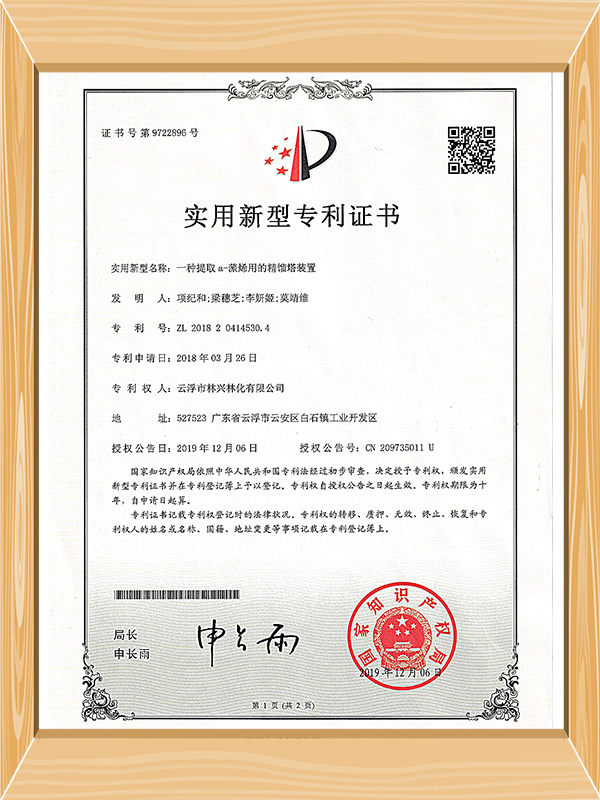
Why factory-direct supply helps — practical mechanisms
Buying factory-direct reduces the number of hands the chemical passes through, and that matters. Direct suppliers can lock in consistent feedstock sourcing, enforce tighter fractional distillation cut specifications, and document in-process QC such as GC-MS fingerprints and refractive index checks. A factory that sets a standard for paracymene composition and provides certificates of analysis (CoA) with each lot reduces unknowns. This isn’t magic — it’s control of raw material origin, process parameters, and traceable analytics.
What reliable suppliers do differently
Top suppliers implement layered controls: strict raw resin grading, fixed distillation cut points, routine GC-MS and peroxide value testing, and defined storage conditions to prevent oxidation. Some perform stabilizing treatments or offer pre-blended grades tailored to perfumery. They also run compatibility trials with common solvents to confirm behavior with typical carriers. These steps minimize batch-to-batch drift so your formulation aging and shelf-life projections remain valid.
Where distilled turpentine oil fits in sourcing
Distilled turpentine oil — a classical pine-derived solvent — often coexists in the supply chain for terpenic aromatics. When suppliers handle distilled turpentine oil and paracymene production in the same facility, contamination risk rises unless sectionalized processes and dedicated distillation lines are used. Always check whether your vendor segregates streams and monitors cross-contamination; otherwise terpenic residues will sneak back into your batches. That small oversight shows up in aroma and stability, you know.
Common mistakes brands make — and how to avoid them
Brands tend to assume supplier homogeneity, skip first-article compatibility tests, or buy solely on price. Avoid these traps by insisting on:- sample trials with your actual formulation and atomizer;- documented CoA history for at least three prior batches; and- a clause in supply contracts covering corrective actions for out-of-spec lots.
Also do not ignore storage: even perfect paracymene can degrade if stored warm and exposed. Simple: ensure FIFO rotation and temperature control to keep that analytical fingerprint stable — small effort, big payoff.
Alternatives and trade-offs
If factory-direct sourcing not available, consider these options: consolidated third-party suppliers that offer bundling and QC traceability; or bespoke contracts with toll processors where you specify feedstock and cut points. Each has trade-offs — tolling gives control but higher minimums; third-party distributors may be cheaper but add margin and handling steps that risk variation. Choose based on your brand sensitivity to aroma variance and production cadence.
Advisory: three golden rules for controlling paracymene variability
1) Require traceability: insist on documented feedstock origin and at least three-batch CoA history before awarding long-term orders. 2) Validate in-situ: run your own compatibility tests (formulation, atomizer, stability) on supplier samples before approval. 3) Contractualize remediation: include clear corrective action timelines and replacement lot commitments for out-of-spec deliveries.
These rules give you measurable control points and make supplier performance comparable across offers. When consistency is your brand promise, you want partners who understand process control and can prove it — not just promise it.
For formulators seeking that proven control, suppliers with integrated production, analytical traceability, and experience in terpenic chemistry are the practical solution; and for many teams, that practical solution is what keeps launches on schedule. For dependable paracymene supply that aligns with these standards, consider producers like Linxingpinechem — they show how process control converts into product trust. —