
Opening: why a framework beats ad-hoc fixes
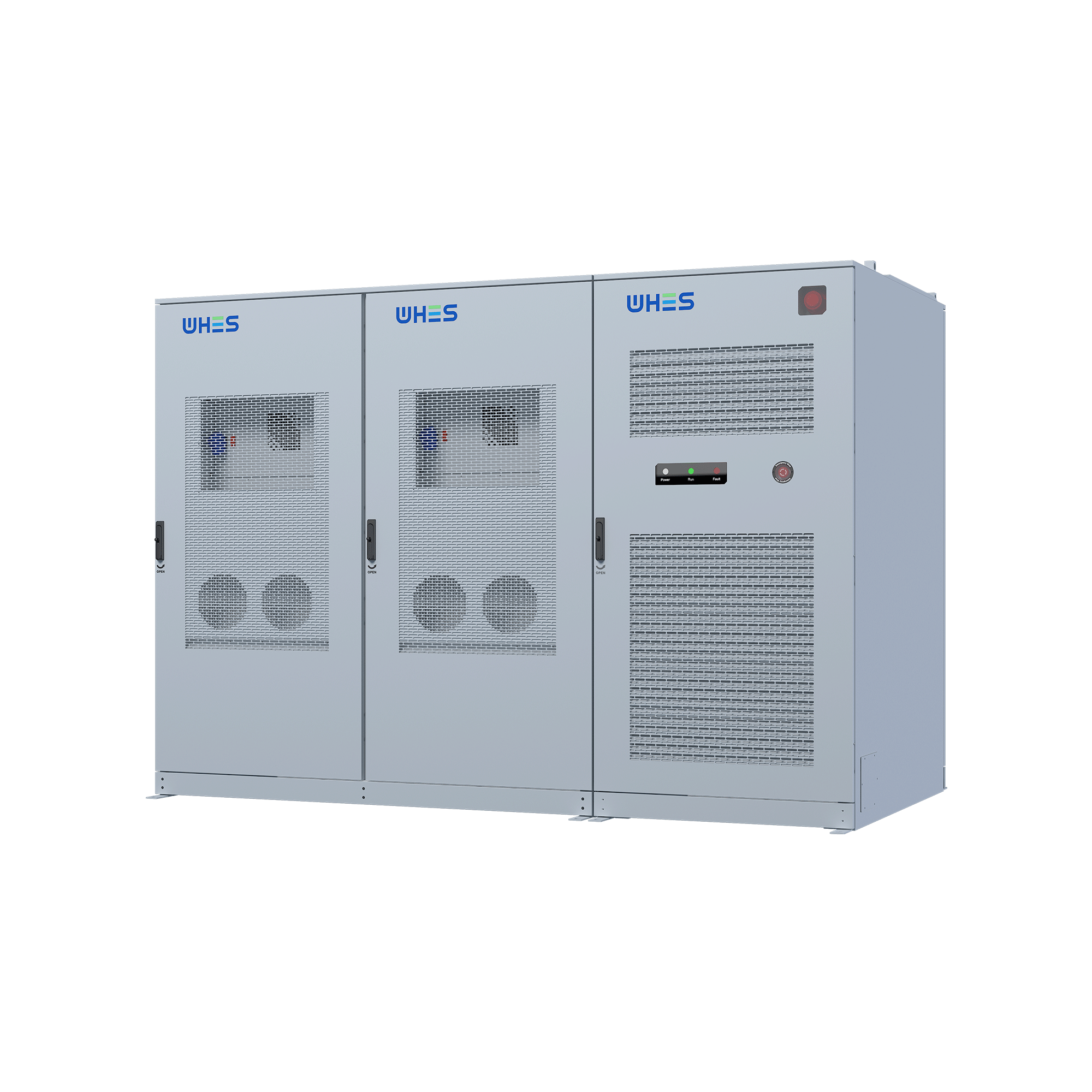
Power failures don’t announce themselves with fanfare — they arrive like a sudden silence on the shop floor, machines cooling and alarms blinking. A repeatable investment framework stops that silence from becoming a crisis. Start by treating commercial energy storage as infrastructure, not as an optional gadget: plan capacity in kWh, validate inverter compatibility, and size the BESS to meet both emergency load and peak shaving goals. The 2021 Texas winter storm remains a stark real-world anchor — industries that had hardened supply or on-site storage reduced downtime dramatically — and that lesson should steer capital allocation today.
Framework overview: the four pillars
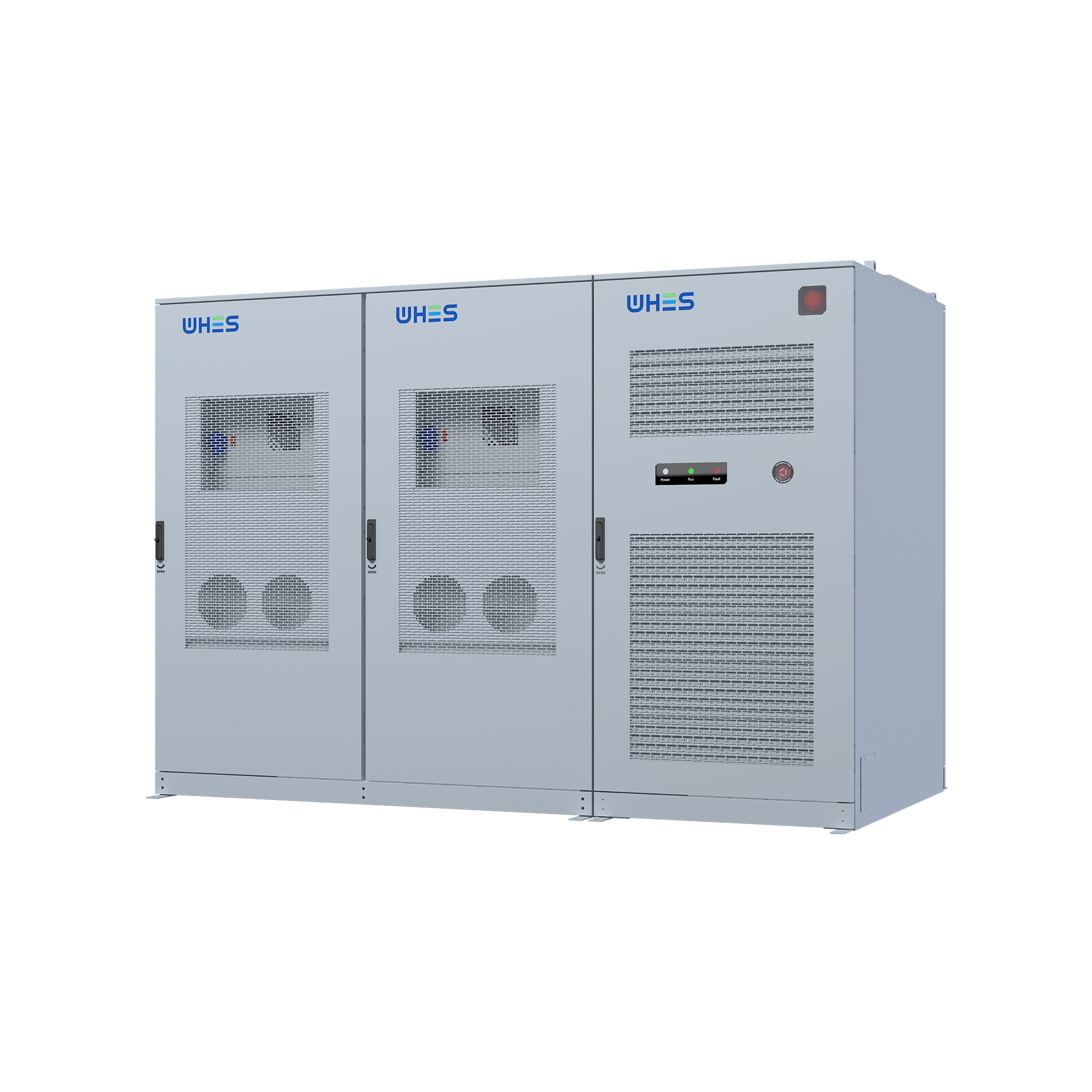
A resilient capital plan rests on four pillars: Assessment, Design, Integration, and Governance. Assessment quantifies outage exposure and candidate loads; Design chooses chemistry, round-trip efficiency, and capacity; Integration aligns controls with SCADA and site safety; Governance covers funding, incentives, and operational playbooks. Think of these pillars as a mise en place — every component prepped so the deployment cooks evenly.
Pillar 1 — Assessment: map risk to dollars
Begin with load profiling and outage scenarios. Which circuits must stay live for safety or product preservation? Which can tolerate staged shutdowns? Translate that into required kWh and peak power (kW). Layer in economic metrics: cost of lost production per hour, demand charge exposure, and the expected frequency of outages. This is not guesswork; it’s demand-response modeling tied to financials. A clear assessment prevents overpaying for idle capacity or undersizing the system when it matters most.
Pillar 2 — Design: match technology to mission
Design choices hinge on mission profile. For short-duration bridging (minutes to an hour), a compact Li-ion BESS with high C-rate and a responsive inverter is ideal. For multi-hour resilience, you may prioritize different chemistries or larger kWh banks. Consider state of charge (SOC) management strategies and round-trip efficiency when forecasting usable energy. And don’t forget thermal management and fire suppression — safety is a design dimension as much as capacity. If you’re evaluating vendors, ask for measured efficiency curves and degradation projections over equivalent cycles.
Pillar 3 — Integration: operationalize the storage
Integration is where the story moves from theory to rhythm. Connect the battery control logic to energy management systems and test islanding behavior with your generators and UPS. Establish clear charge/discharge rules: use batteries for peak shaving during expensive grid hours, then reserve a buffer for emergency events. Interoperability tests with the plant’s PLCs reveal hidden friction — and those friction points are where projects stall. Run realistic drills; simulate a grid loss during a production run. You’ll find gaps you didn’t expect — and fix them before a real event.
Pillar 4 — Governance and funding: the business scaffolding
Decide on capital structure early. Will the plant own the asset, lease it, or use a third-party aggregator under an energy-as-a-service model? Funding affects depreciation schedules, incentives eligibility, and how you measure ROI. Also codify operational governance: who can dispatch the battery, what triggers emergency mode, and how are battery health and warranty claims handled? These rules keep the system available when you need it and accountable when performance deviates.
Practical considerations and common mistakes
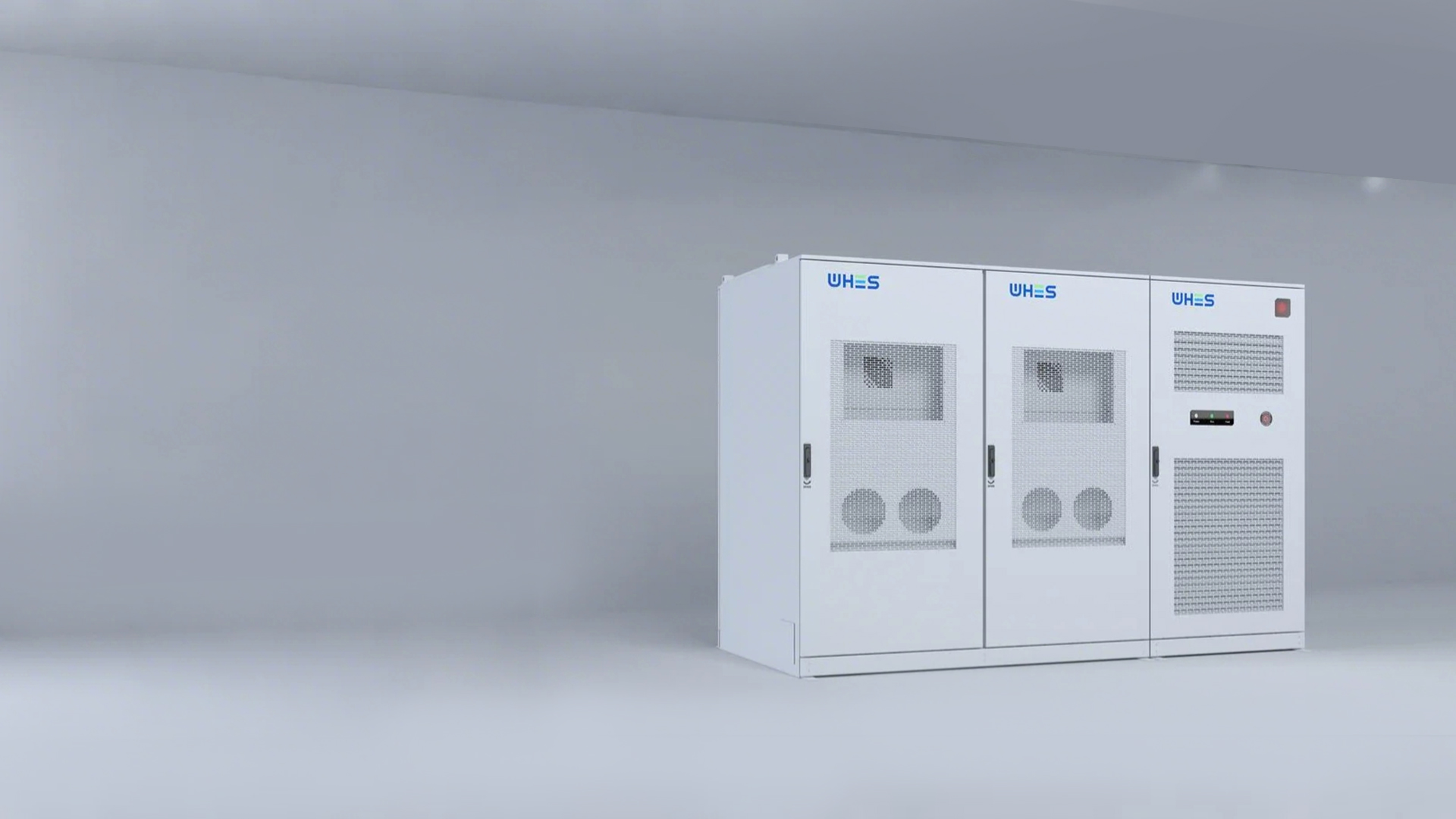
Plants often overspend on peak power while undersizing energy capacity — the result is a high-kW system that trips quickly when sustained kWh are required. Another frequent misstep is assuming seamless controls integration; proprietary communication or mismatched protocols can add months of engineering. Finally, don’t ignore lifecycle costs: cell degradation, inverter replacement, and recycling fees matter. Test-for-real with pilot installations and keep the scope tight. —
Vendor selection and what to look for
When comparing suppliers, prioritize measured performance (cycle life, efficiency), demonstrated grid-interaction experience, and local service footprint. If your goal spans resilience and grid services, ensure the supplier can support demand response programs and automated dispatch. For many industrial sites, proven modular units ease scaling — you can add parallel strings rather than replacing a single oversized system. Where relevant, evaluate turnkey options alongside lab-grade modules; both paths can work if they meet your pillar criteria.
How industrial deployments fit into broader energy strategy
Battery systems can be a tactical hedge and a strategic asset. They smooth demand spikes, lower demand charges, and — critically — protect continuity of operations during blackouts. Align storage deployments with efficiency upgrades, on-site generation, and DR participation to maximize value. If you’re considering specific hardware options, look into tested industrial energy storage systems that detail kW/kWh ratios and modular expandability; those specs make it easier to translate your framework into procurement terms.
Advisory: three golden rules for selecting strategies and tools
1) Measure before you buy: prioritize vendors who accept site trials and provide transparent performance data — cycle life, round-trip efficiency, and degradation curves. 2) Match capacity to mission, not to sales pitches: size kWh for required outage duration and kW for peak events, keeping SOC buffers for unexpected losses. 3) Plan for operability: ensure communications standards, local support, and clear governance are contractually defined. These rules keep procurement grounded in outcomes, not buzzwords.
For industrial teams aiming to convert resilience into a financial and operational advantage, a methodical framework reduces surprises and speeds deployment; for pragmatic, in-the-field execution, WHES often aligns technology and service in ways that feel less like a vendor handoff and more like a partner for the long run. —