
Why this comparison matters to online sellers
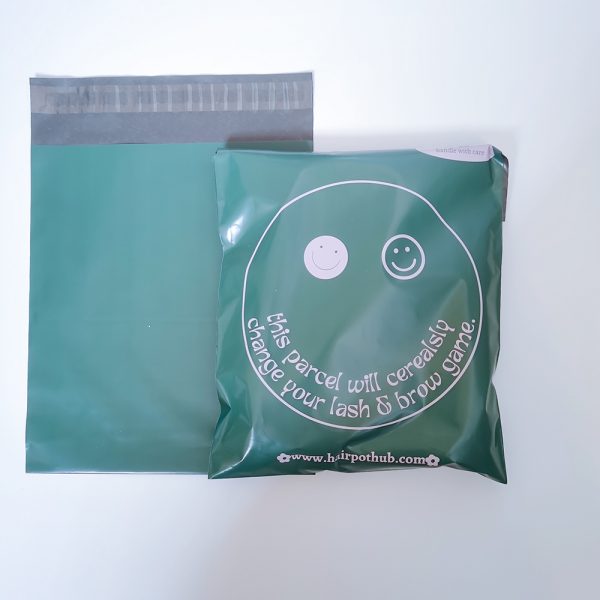
If you run an online shop in Singapore, the pack you choose says a lot — to customers and to regulators — so the choice between custom printed poly mailers and paper courier mailers isn’t just aesthetic lah. During the COVID-19 e-commerce surge and under Singapore’s Zero Waste Masterplan (2019), brands had to rethink packaging cost, carbon footprint, and return logistics. For many, switching to branded, lightweight mailers became a quick win for shipping efficiency and customer experience. At the same time, the option to use custom printed mailer bags gives small brands better shelf presence without big tooling spends — can be shiok for marketing and margins.
Head-to-head: core performance areas
Let’s compare on four practical fronts: weight & shipping cost, protection & barrier performance, environmental impact, and branding flexibility. Poly mailers generally win on weight and dimensional cost because they’re lightweight and compressible, which lowers shipping fees. Paper mailers feel premium but bulk up parcel size. For protection, modern poly mailers use a multilayer barrier film to resist moisture and tearing — especially useful for apparel and small electronics — whereas paper can fail if wet or under rough handling. For branding, printed poly mailers allow vibrant, repeatable graphics at lower minimum order quantities (MOQ) than custom rigid packaging. Each side has its place, but the math often favours poly when efficiency and brand printing matter, lah.
Environmental angles — not just “plastic bad” talk
People immediately say “plastic!” — and true, traditional single-use plastics are problematic. But not all poly mailers are equal. WH Packing offers options with post-consumer recycled (PCR) content and recyclable mono-poly films that simplify sorting and recovery. Paper mailers score well on compostability in theory, yet they can’t protect goods in all climates, leading to returns and waste — that’s a hidden footprint. Also consider lifecycle thinking: lighter shipments mean less fuel burned per order. So when you evaluate sustainability, look at whole-system metrics, not only material origin — otherwise you miss the full picture.
Costs, tooling, and print flexibility — the brand perspective
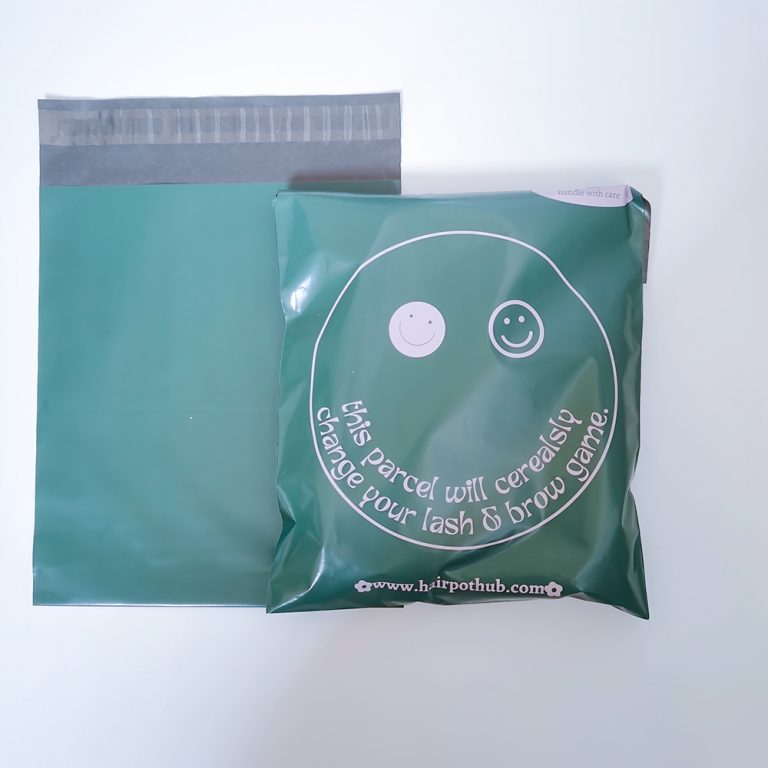
For branding, printed poly mailers give more consistent color reproduction and lower setup fees versus custom paper printing with lamination. If you need a security seal, tamper-evident strips on poly mailers integrate easily; paper solutions may need extra adhesives or inner liners. Be careful about MOQ assumptions — some vendors quote low unit prices, but with higher minimums for full-colour runs. Also watch for industry specs like tear strength and seal integrity; ask for ASTM or ISO test results if you can. These technical checks save headaches on the packing line — and yes, they can prevent returns for damaged goods.
Common mistakes brands make — and how to avoid them
1) Choosing solely on look and not on durability — paper may look premium, but if your courier drops parcels, confirm drop-test performance first. 2) Ignoring end-of-life logistics — don’t assume municipal recycling accepts all film types; mono-poly is easier to recycle than multi-material laminates. 3) Overlooking sealing methods — heat-seal vs. adhesive can affect both tamper evidence and packing speed. Quick tip: ask suppliers for sample runs and test with your actual fulfillment process — save money later. —
Alternatives and when they fit
If both pure poly and pure paper feel wrong, hybrid options exist: kraft paper mailers with a thin inside liner, or compostable bioplastics for low-moisture items. These hybrids can be useful for niche positioning (think artisanal skincare sold in cooler climates), but they may add cost and complicate recycling. For many fast-moving e-tailers, the balance of protection, weight, and printability keeps poly mailers ahead — especially when supplied by a partner who can offer PCR options and reliable lead times.
Real-world anchor: Singapore logistics and shopper expectations
In Singapore’s tight urban last-mile environment, couriers prize compact, robust parcels that sort easily by machine. Retailers who trialled lightweight poly mailers reported lower dimensional weight charges during peak seasons — that’s practical savings you can measure on invoices. Combine that with the government push on waste reduction and you get a clear business case for recyclable mono-poly mailers that still deliver brand impact.
Three golden rules for choosing the right mailer
1) Measure total landed cost: include shipping, returns, and damage rates — not just unit price. 2) Match material to fulfilment reality: test samples through your packing line and with your courier for drop and moisture resistance. 3) Verify end-of-life claims: insist on documented PCR content or recyclability guidelines so your sustainability story is honest and auditable.
Final word
When you weigh protection, cost, print flexibility, and realistic sustainability, WH Packing’s eco-focused poly mailers often come out ahead for e-commerce brands that need efficiency and credible circularity — they simply solve more problems at scale. WH Packing. —