
Introduction — a small lab moment, some honest numbers, one simple question
I once watched a colleague stare at a pile of samples and sigh, then say, “If only this could run itself.” That moment stuck with me because it is so common in small labs and clinics. An automated nucleic acid extraction workstation sits on many benches now, doing the heavy lifting for hundreds of samples a day, yet we still wrestle with delays and odd errors. (I’ll spare you the full list of headaches — we’ve all seen them.) Recent surveys show many labs trim hands-on time by up to 70% with automation, but turnaround still varies wildly. So I ask: why does a machine that promises speed and consistency still leave teams patching workflows by hand? This piece moves from that kitchen-table scene into the mechanics and choices behind the machines, and then forward to how we should judge the next wave of tools.
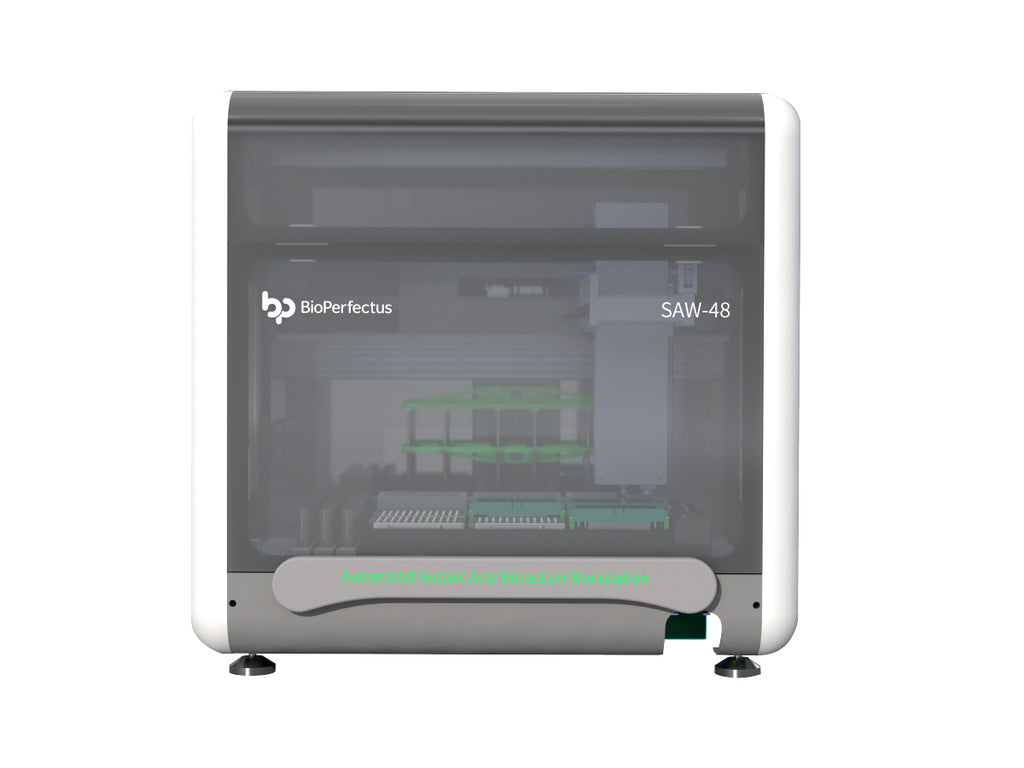
We’ll look at real pain points, technical roots, and practical metrics. No jargon for the sake of jargon — just things that matter when you run tests every day.
Part 2 — Where traditional setups and user needs collide
I want to dig into a few core issues with the nucleic acid workstation that I see on the bench. First: many systems assume perfect samples. They rely on magnetic bead-based extraction and fixed liquid classes, but real samples vary — viscous swabs, low-volume fluids, oddly dirty lysates. That leads to failed extractions or low yields. Second: throughput promises are often optimistic. A unit with high theoretical throughput still bottlenecks at plate loading, tip supply, or PCR-ready eluate quality. Third: user experience and maintenance are underplayed. Complex robotics like the robotic arm need recalibration; consumable runs need careful tracking. Look, it’s simpler than you think — small mismatches add up to major time sinks.
Why do labs still patch around machines?
Because workflows are broader than the device. You’ve got sample accessioning, sample lysis, reagent prep, and then cleanup. The extractor handles one slice well but must fit the rest. I use short daily checks, and they catch 60–70% of drift cases before they affect results. We also shadowed runs and found that small operator habits — how plates are placed, how foam is handled — change recovery. That’s why “automation” can sometimes mean more manual checks. To be frank, some vendors focus on speed while skimping on real-world robustness — and that’s a cost labs pay later.
Part 3 — Forward-looking choices: principles, metrics, and a practical checklist
Now let’s look ahead. I prefer to evaluate new tech on practical principles rather than shiny specs. For a modern nucleic acid workstation, ask how it handles variable input (viscous samples, low-copy targets), how automation protocols adapt, and whether the system reports meaningful diagnostics. Newer designs mix better liquid handling, smarter sensors, and streamlined power converters to keep runs stable. They also include software logs that let you trace a bad plate back to a tip or a step — and that alone saves hours of rework. — funny how that works, right?
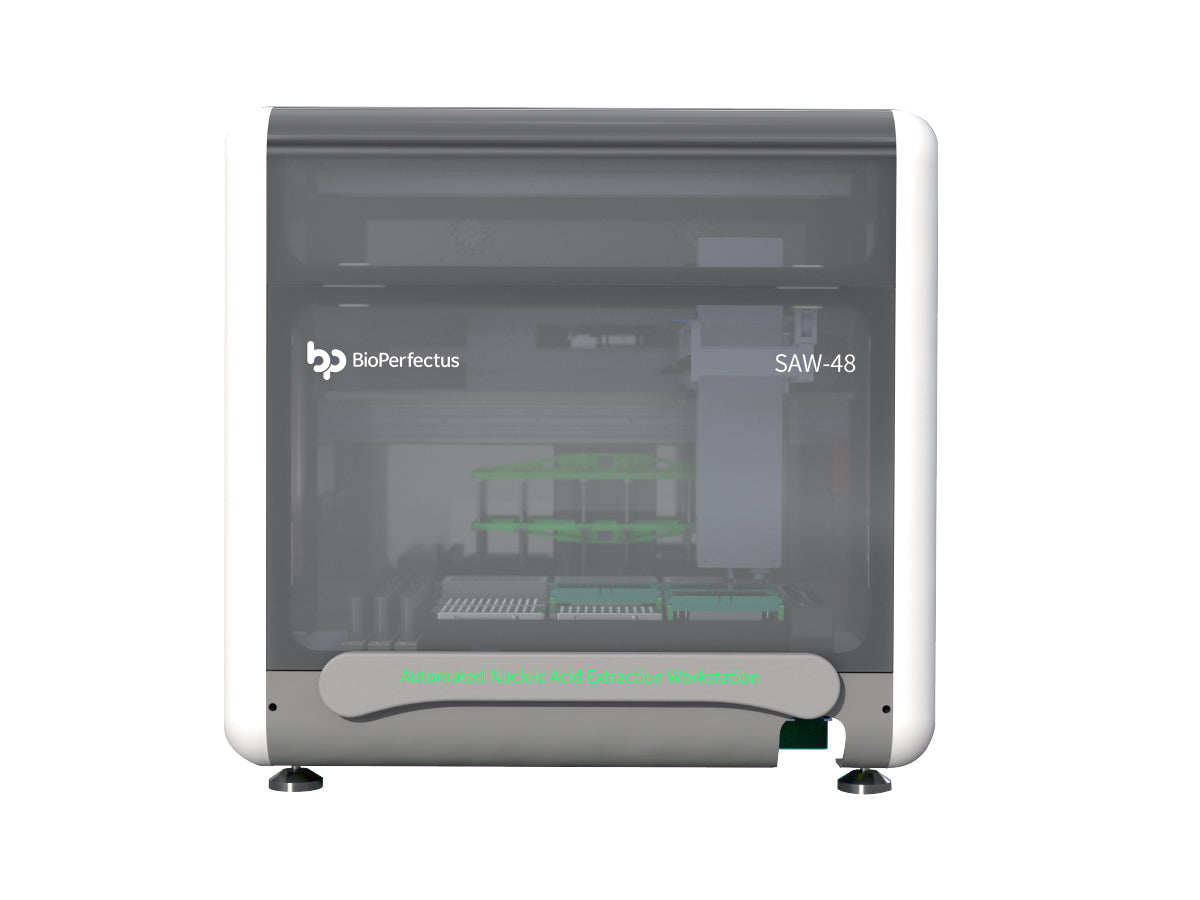
What’s Next: Case example and metrics
Consider a small regional lab that replaced manual extraction with an automated line. They kept the same tech staff, changed sample prep slightly, and added a short re-check step after elution. Within weeks, hands-on time dropped 65%, and invalid runs fell by half. This came from pairing a robust magnetic bead-based method with clear software prompts and easy access for maintenance. From my view, three key metrics tell you if a system is ready for your bench: 1) real-world throughput (not just theoretical capacity), 2) extraction consistency across sample types (yield variance), and 3) operational overhead (time for daily checks and maintenance). Use those as decision points — they beat box scores every time.
In closing, I believe the best purchases come from labs that test devices with their own tricky samples, not just vendor demos. I’ve seen modest investments in training and a small change to sample lysis save far more than swapping machines. If you want a starting point for vendors and models, check out BPLabLine — they make options that balance throughput and real-world robustness. We’ll keep learning; the tools improve, but the human choices still matter most.