
Introduction: A Field, A Timeline, and a Thousand Eyes
You’re on a damp field at dusk, and the rigging clock is ticking. The festival laser lights wake as the sky turns to ink, and you feel the hush before the first cue. Last season’s reports showed that 68% of show hiccups linked back to power swings, uneven sightlines, and unplanned weather load—small things that stack fast. So, how do you keep a clean beam path, safe zones, and a calm crew when guests, rain, and vendors move the map (again)? I’m here with you, talking it through like we’re side stage, because your show needs care as much as power.
We fold in simple anchors: clear power converters, stable network uplinks, and realistic beam divergence math. We trim setup passes and protect eyes with laser safety interlocks, not just signage. And we do it without drama—slow is smooth, smooth is fast. Ready to compare what matters and leave the rest? Let’s move gently into the core.
Part 2: The Quiet Pain Points of Live Laser Shows
Where do the bottlenecks hide?
When people book laser light show events, they expect the “wow” to be automatic. The truth: most failures come from small gaps, not big breaks. Cue lists don’t match crowd flow, so operators nudge trims and lose sync. DMX over Art-Net works fine—until a noisy switch adds jitter and your color fades tear. Then the crew blames weather. Look, it’s simpler than you think. Map the site’s beam paths with a beam attenuation map, keep edge computing nodes near the truss, and watch how latency drops by half. Put spare power converters near FOH, not backstage. You’ll fix minutes that become hours—funny how that works, right?
Another pain point is control drift. Galvanometer scanners do what they’re told, but rushed presets ignore line-of-sight shifts as stages flex. You get micro-misalignments, and the crowd sees “sparkle” you didn’t plan. Build presets for A, B, and C wind tiers. Add laser safety interlocks with hard stops, not only software fences. Set a calm handover protocol for the LD and the network tech. And remember: beam divergence is your friend on low cloud nights. It’s not flashy, but it keeps the magic intact when the sky drops low.
Part 3: New-Tech Principles for Tomorrow’s Festival Lasers
What’s Next
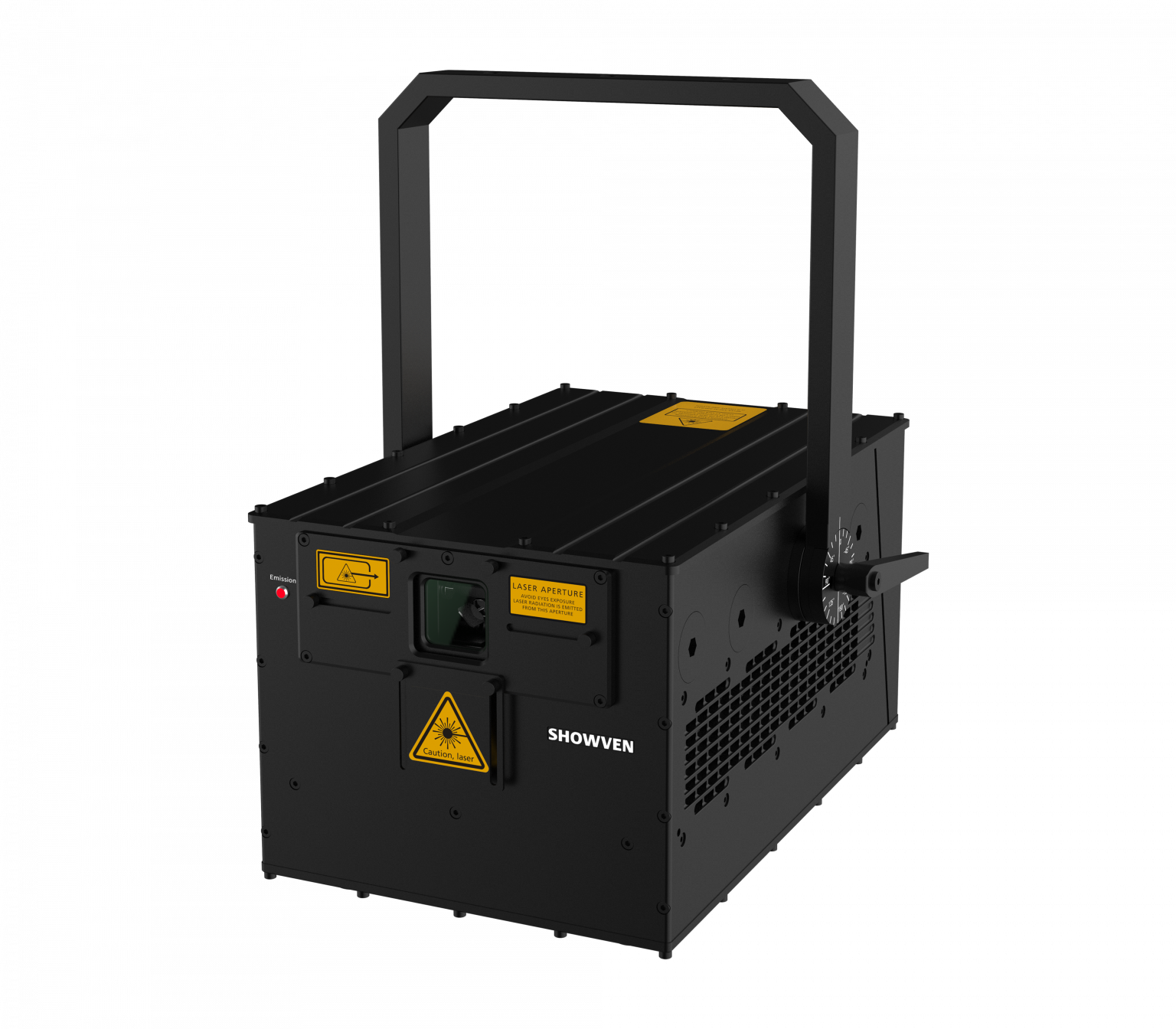
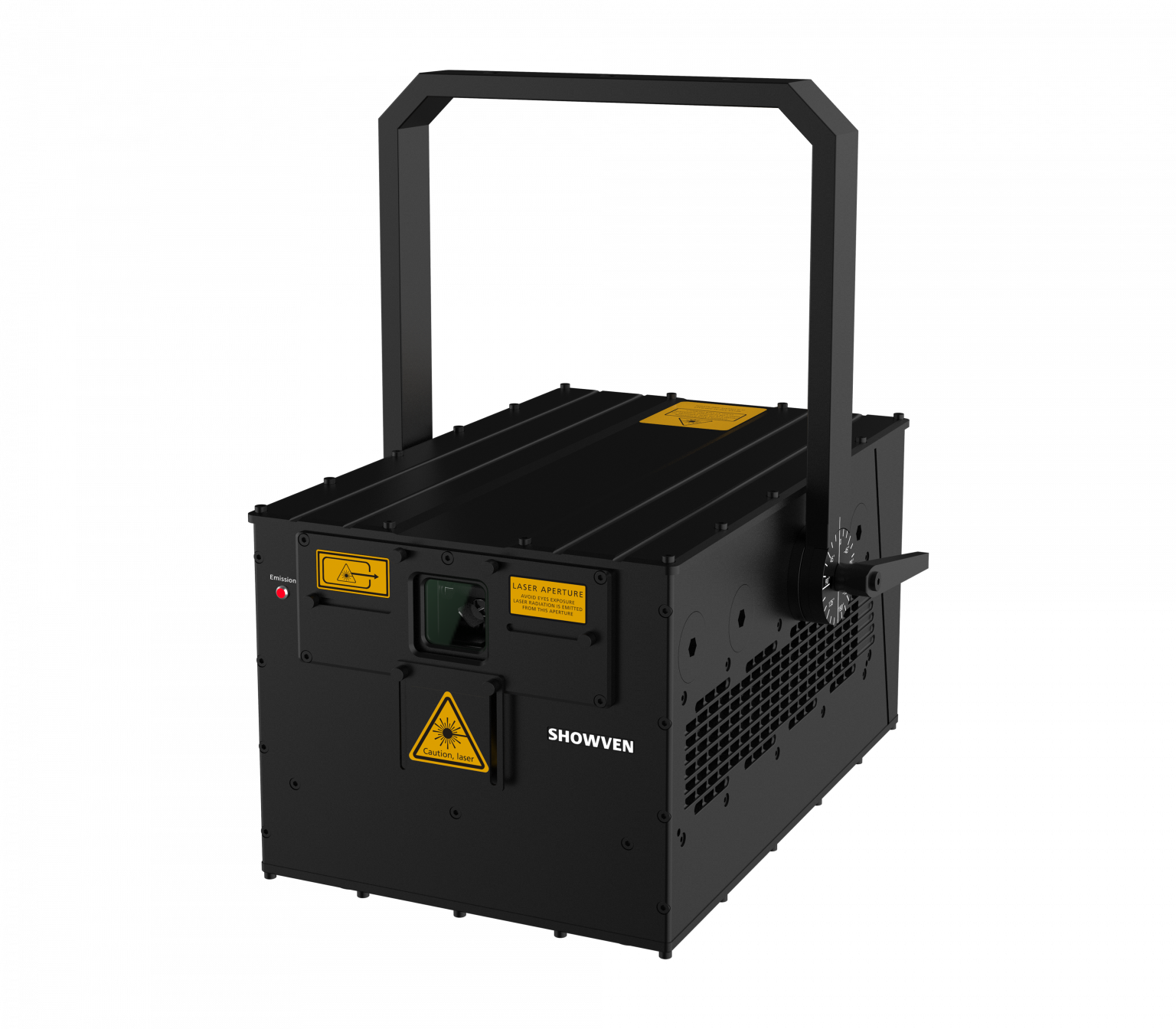
Let’s look ahead and compare the old loop vs. a smarter one. Old loop: center console drives every cue, the network carries everything, and weather eats your lunch. New loop: distributed brains. Edge computing nodes at each tower handle local beam shaping, while the master desk only sends intent. If a link hiccups, the local node continues with last-safe frames. Add phase-locked modulation to keep color mixing tight, and fold in geo-fencing so safety zones move with the crowd map. Now bring hardware into the real world: choose waterproof outdoor laser lights that maintain an IP65 seal under spray, and use sealed optics to block dust drift—because dusty bearings steal brightness. You gain uptime, consistent color from RGB diode modules, and faster load-out. Small changes, big calm.
Here’s what we learned without repeating ourselves. People trip on network noise, not on lasers. Weather tilts mounts; presets save shows. Local brains beat long chains—every time. So, if you’re choosing a system, use these three checks. Advisory close:- Latency and resilience: Can nodes run safe frames if the network blips? Test Art-Net and sACN failover with logs.- Environmental integrity: Do housings keep their IP rating under real rain and heat cycles—and yes, that matters.- Optical stability: Are scanners, optics, and power rails stable under heat soak, with documented drift limits?
Follow that, and your beams stay gentle on eyes, strong on story, and steady through the night. We’re here to make the tech feel kind, not fussy. If you want to go deeper, start with spec sheets, site walks, and a calm checklist beside you—because care builds shows that last. Showven Laser