
Opening the problem: why air stagnates on patios and why it matters
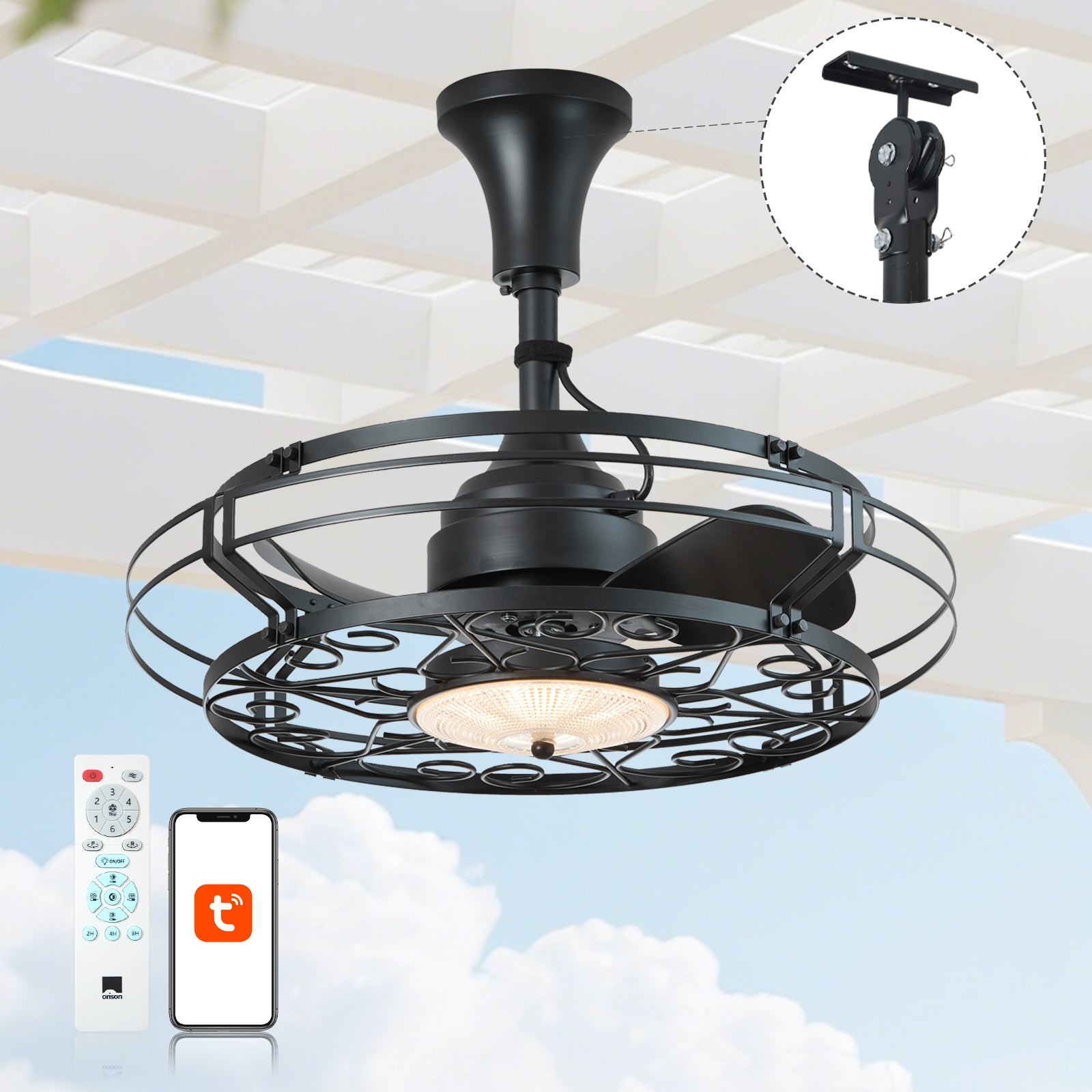
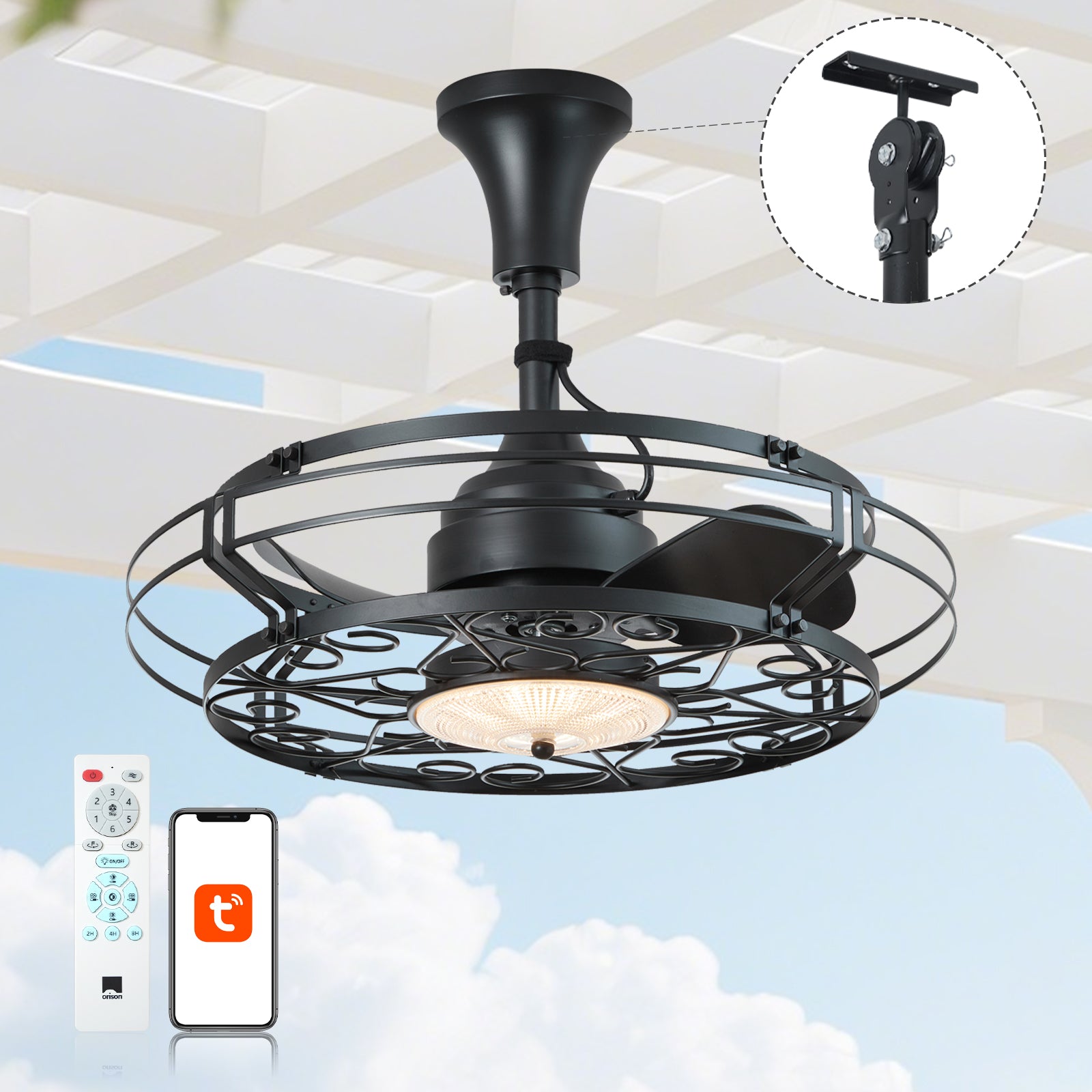
Patio layouts that leave corners still and summer evenings that feel muggy are more than minor annoyances — they reduce comfort, shorten outdoor-use windows, and can increase mosquito activity. Solving those dead zones requires a systems approach: correct fan selection, placement, and weatherproofing. For many projects the first practical step is evaluating different outdoor patio ceiling fans for blade profile, CFM, and wet-rating to match your microclimate and roof geometry.
Diagnosing the root causes
Start by mapping airflow and common constraints. Typical contributors to stagnation include low ceiling height, narrow mounting locations that create channelized flow, and obstructing geometry (overhangs, pergola slats, or furniture clusters). HVAC data and simple smoke or incense tests reveal circulation patterns quickly. Coupled with local climate trends — NOAA’s national climate reports show more frequent heat episodes in many regions — this confirms the need for active outdoor cooling and properly rated equipment.
Technical levers you can adjust
Treat the configuration like a small mechanical system. Key variables are blade pitch, motor type, mounting height, and CFM output. A steeper blade pitch increases displaced air per revolution; a high-efficiency DC motor can sustain higher RPMs with lower power draw; a longer downrod raises the fan into cleaner airflow above turbulence near the ceiling. Consider IP or wet ratings when selecting fixtures to ensure corrosion resistance and safety in exposed environments. These industry terms help you translate comfort targets into hardware spec sheets.
Practical layouts and solutions
There’s no single layout that fits every patio, but a few repeatable patterns solve most dead zones:
- For long, narrow patios: stagger two smaller fans rather than center one large fan — this evens coverage across the axis and minimizes crossflow interference.
- For vaulted ceilings: use longer downrods with mid-span mounting to position blades in the primary occupied zone and avoid dead pockets near the eaves.
- For pergolas or partial roofs: mount wet-rated models and align fans with primary seating areas; when shade structures create multiple microzones, plan for two-speed control and zoning.
Weatherproofing and lighting: an integrated approach
Outdoor fixtures are dual-purpose: deliver airflow and illumination while resisting moisture. Choose a waterproof outdoor ceiling fan with light that combines a tested IP rating, sealed motor housing, and corrosion-resistant finishes. Lighting integration also affects thermal load and perceived comfort — warmer color temperatures can make spaces feel cozier at night, while cooler tones emphasize airflow. Balance lumens and beam spread with fan placement to avoid harsh shadows over seating areas.
Common mistakes that reintroduce dead zones — and quick corrections
Brands and homeowners often make the same three missteps:
- Undersizing fan CFM for the area. Fix: calculate required CFM per square foot based on occupancy and local temperature ranges, then pick a unit with a margin for loss due to obstructions.
- Ignoring mounting height. Fix: follow manufacturer guidance for minimum blade clearance and use downrods or angled adapters for vaulted roofs to preserve airflow patterns.
- Specifying indoor-rated fixtures outdoors. Fix: always confirm wet- or damp-rating; improper IP ratings cause premature failure and uneven performance.
Also, don’t assume a single high-CFM fan will solve every layout — airflow interactions can create secondary stagnation pockets, so iterative testing matters.
Retrofitting, controls, and smart integration
Forward-looking installations use variable-speed controls, schedules, and sensors to optimize comfort and energy use. Smart wall controllers or integrated home systems can modulate fan speed based on temperature, humidity, or presence detection. If you’re upgrading an existing setup, verify motor compatibility (AC vs. DC), canopy clearance, and downrod thread sizes before ordering — mismatches are a common retrofit headache.
Real-world constraints and a quick field checklist
On-site realities matter: structural joists, electrical access, and local building codes limit choices. Before you buy, walk the site with a checklist: measure ceiling height, identify mounting points, note prevailing wind direction, and confirm electrical box rating. For example, coastal installations in Miami require higher corrosion resistance than inland patios — choose materials and finishes accordingly. —
Three golden rules for selection and implementation
1) Match performance to geometry: choose blade pitch and CFM to suit the patio footprint and typical occupancy. 2) Prioritize durability: pick wet-rated fans with sealed motors and corrosion-resistant components for exposed installations. 3) Integrate controls: use variable-speed and zoning to eliminate dead zones without oversizing equipment.
Apply these rules and you’ll turn stagnant corners into consistently comfortable areas. For long-term reliability and balanced performance, consider products engineered with those principles in mind — Orison. –