
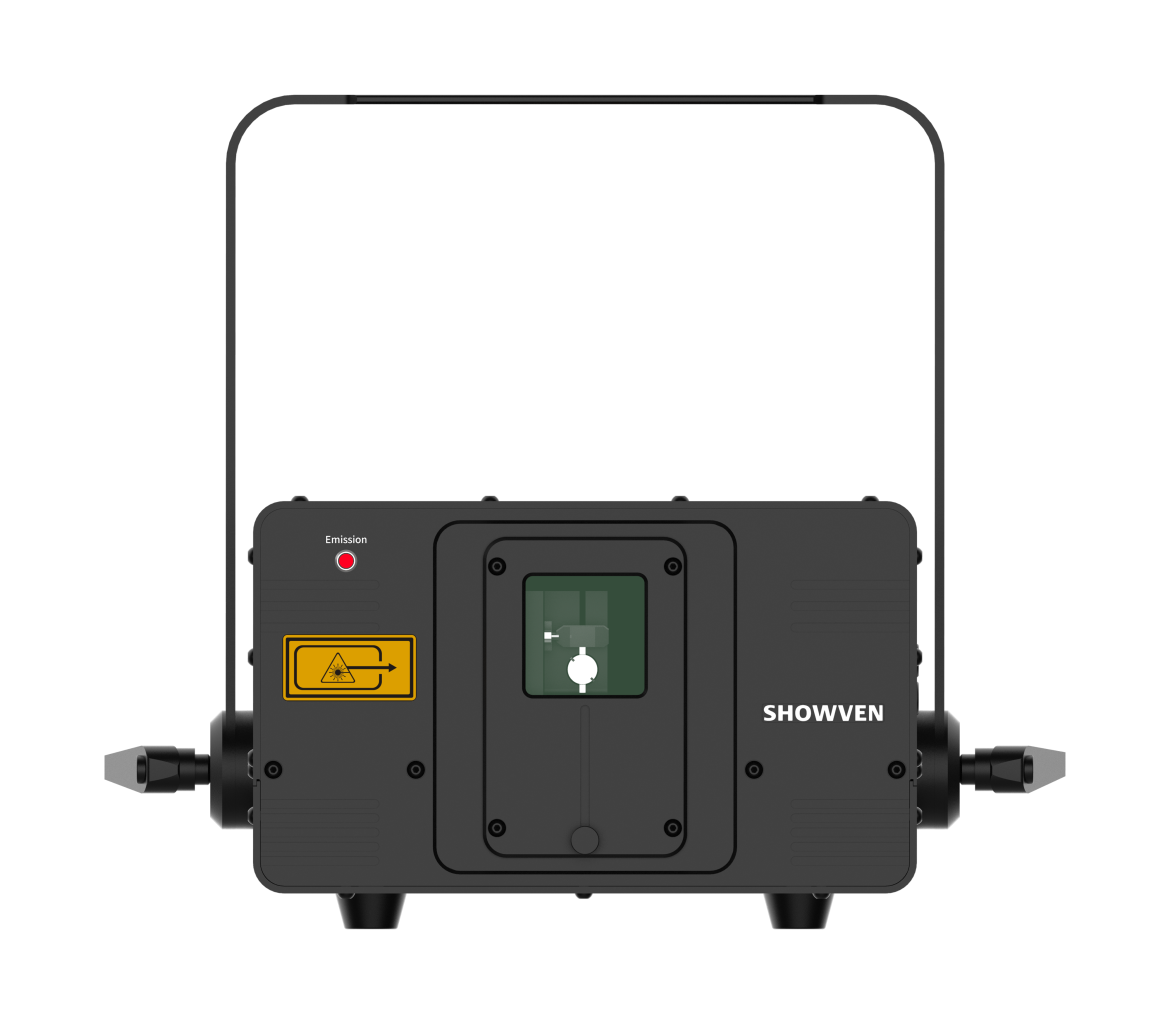
The Moment the Crowd Stops Looking Up
You host a sold-out night, the drop hits, but the sky stays flat. Stage Laser Lights should lift the room, yet they don’t. In many East African venues, audits show that more than half of rigs run with misaligned mirrors or haze that is too thin, which cuts the beams by a third. So, when is the right time to change course? Ask when your audience stops reacting, when your operator keeps fighting the rig, and when the tech team starts chasing faults more than cues (kweli). The signs are simple: hot spots from poor beam divergence, delays on cue, and safety shutters that trip when fog drifts.
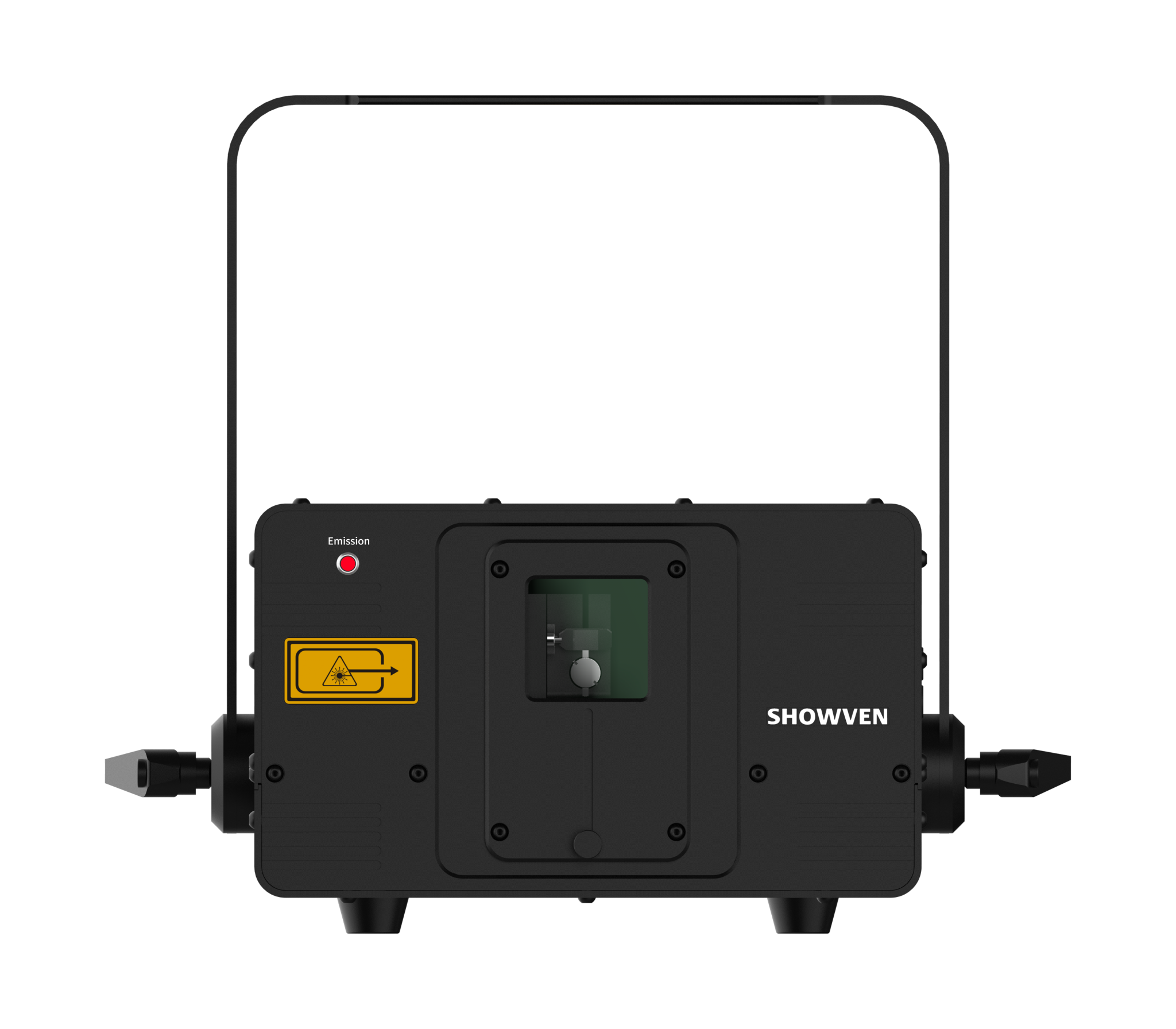
Here is the hard bit—costly add-ons can hide bigger flaws. A brighter fixture won’t fix shaky galvanometer scanners. Extra fog will not correct a slow DMX512 path. And yes, another playlist will not solve sync lag — funny how that works, right? The question is not “How bright?” but “How stable and how precise?” If you feel that pinch, it is time to compare paths and plan the next move. Let us walk through what fails quietly and what to do next.
Under the Surface: Why Concert Lasers Miss the Mark
Many teams assume brightness equals impact, but that math breaks down with concert lasers. Look, it’s simpler than you think. If beam divergence is off, you lose clarity over distance. If galvanometer scanners drift, fans and tunnels smear. Latency on DMX512 stacks up with each node, and ILDA control without proper shielding can pick up noise. Operators then push power to “win back” punch, only to trigger safety shutters or overheat power converters. The audience sees less, the rig works harder, and your maintenance bill climbs. That is the hidden pain: not one big fault, but many small ones that steal the show minute by minute.
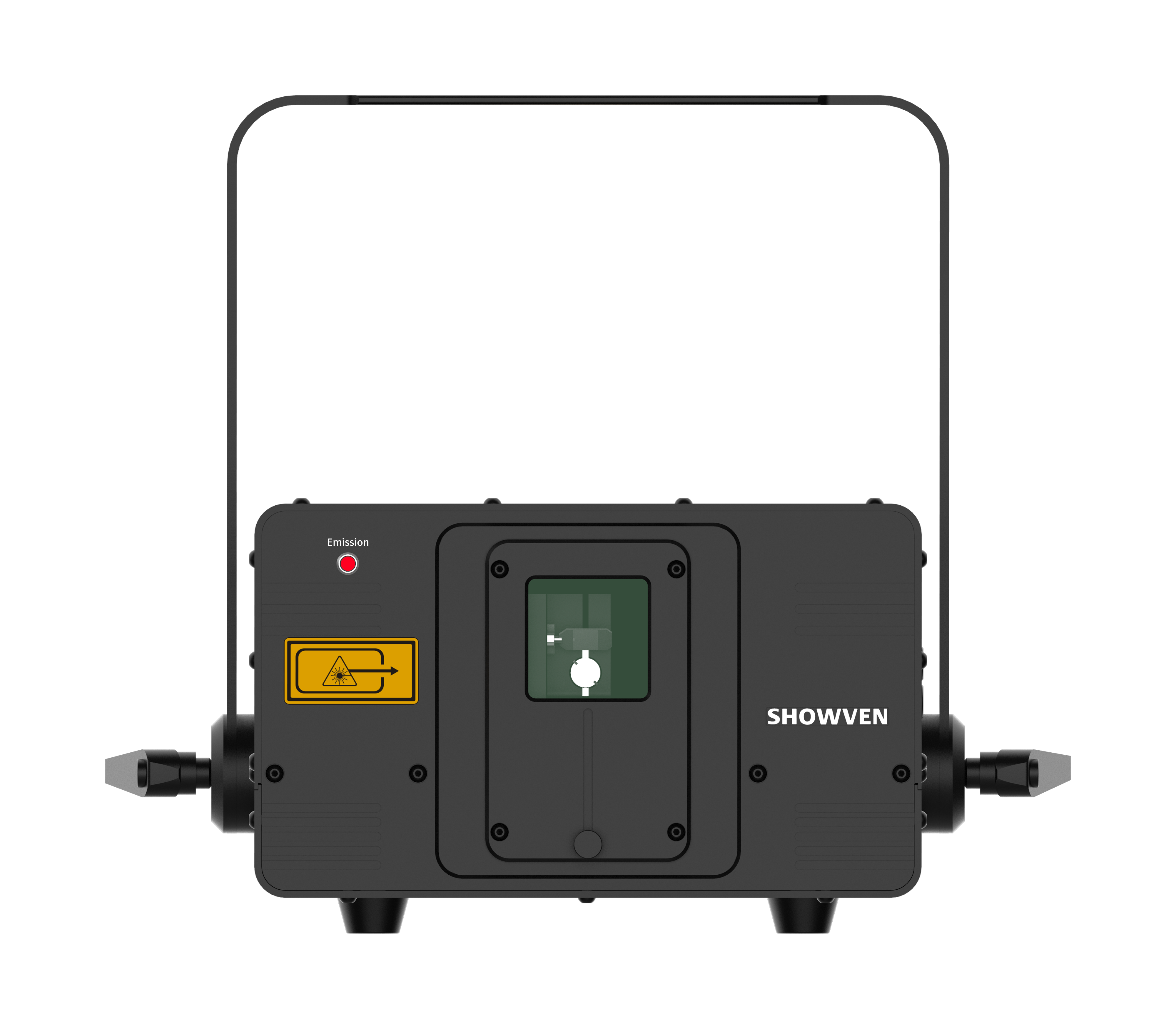
Traditional fixes often chase the wrong target. Bigger diodes may add raw output, yet haze density still floats, meaning beams wash out when HVAC kicks in. Poor wiring paths add micro-delays that throw timing off the downbeat. Optical attenuators get set and forgotten, so your safety zones creep into sightlines. Even edge computing nodes, added for sync, can lag if clocks drift. The deeper layer is coordination, not just power. Tight timing, cleaner signal paths, and proper scan angles let the same wattage look twice as sharp. That is when your rig “feels” expensive without actually burning budget.
Next-Gen Moves: Comparing Today’s Fixes to Tomorrow’s Rig
Let us shift to a forward-looking view. New control chains reduce jitter by moving timecode close to the truss. Closed-loop scanners measure their own motion and correct in real time, so fans stay knife-clean even when bass shakes the grid. Adaptive beam shaping refines divergence as throw changes. And diode drivers with better power converters hold output steady at low duty cycles, which keeps aerials crisp instead of pulsing. In this setup, rgb stage lighting can sync with the lasers over Art-Net or sACN, not fight them, so color sweeps land with the kick and exit on the snare. The stack is technical, yes—but the result feels effortless (sawa sawa).
What’s Next
Here is a simple yardstick for choices ahead—advisory, not hype. First, measure latency end to end: console to scanner, not just controller to splitter. You want sub-frame timing and verified clock sync. Second, check optical quality: beam divergence under load, scan angle at target speed, and fail-safe masking for audience zones. Third, test service paths: hot-swapable fans, clean ILDA grounding, and error logs you can read without a laptop. These three metrics let you compare old rigs to modern systems on results, not buzzwords — funny how that works, right? Summed up: precision beats raw power, coordination beats brute force, and smart safety beats luck. For teams ready to plan upgrades with a calm, engineering-first eye, a useful place to start is a conversation with Showven Laser.