
The problem that doesn’t want to be ignored
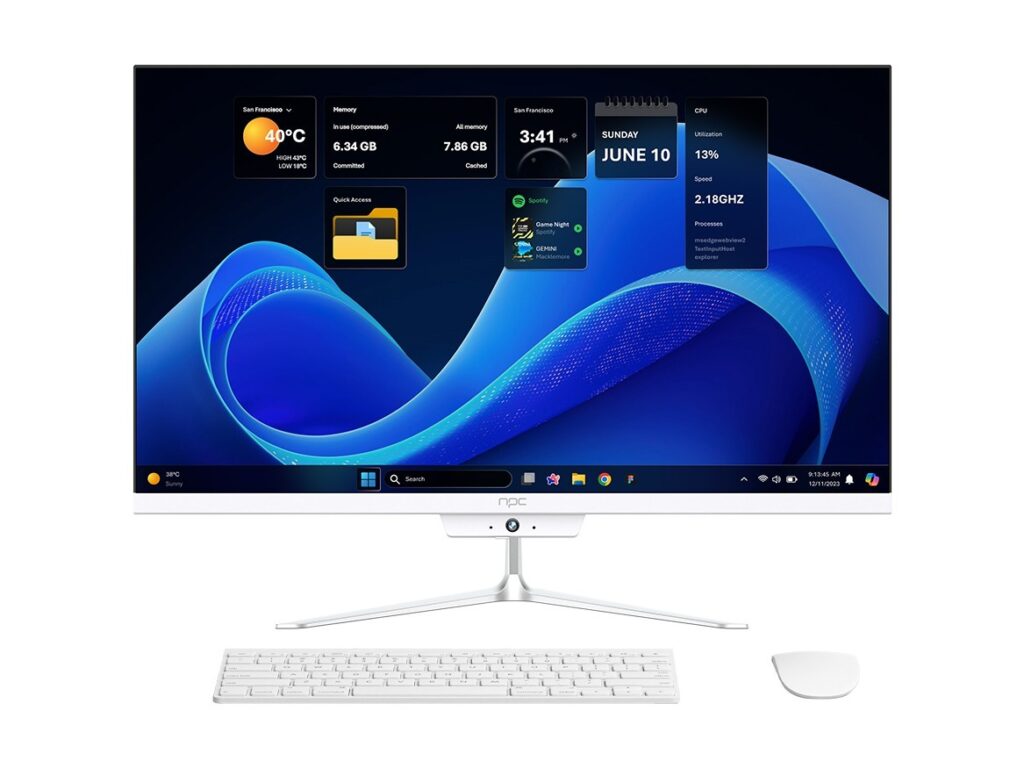
Why do procurement lists swell with redundant devices while project schedules slip? Teams buy PCs for compatibility, vendors ship with disparate interfaces, and IT spends cycles reconciling choices. A single question reframes this: what if the operating layer—simple, consistent, app-centric—reduced decision friction? Early-stage teams testing options often scan all in one computer deals during planning because those bundled designs mirror the unified behavior of a smart-TV OS. That similarity matters during kickoff: fewer unexpected driver issues, clearer user training, and fewer surprises on the purchasing invoice.
What a smart-TV-style OS actually gives you
Think of the OS as a predictable surface. Smart-TV operating systems prioritize a single-entry interface, trusted apps, remote management hooks, and rapid wake states. Ask: will everyone on the team see the same app flow? Will updates happen centrally? Will peripheral setup be plug-and-play? Those four checks expose where project risk sits. A rational engineer asks fewer rhetorical questions and more diagnostic ones; the answers determine how much time procurement will need versus how much time stakeholders expect.
How this changes project planning—step by step
Start by defining user journeys, not device specs. Map the primary tasks and identify where an OS can remove choices: one app store, one update cadence, one sign-on path. Then prioritize compatibility tests for the two or three mission-critical apps. Schedule a brief pilot under a single configuration; that pilot reveals integration headaches earlier and shrinks the approval loop. When the OS behaves like a simplified runtime—predictable and constrained—estimates for deployment and support tighten, and purchasing can be staged instead of all-or-nothing.
Buying: criteria that matter and a real-world anchor
Make decisions based on management reach and lifecycle clarity. Ask whether the vendor exposes remote provisioning, offers a clear update policy, and supplies replacement parts for a known interval. I’ve overseen office rollouts after observing vendor demonstrations at CES 2024 in Las Vegas, where integrated desk solutions were presented with remote provisioning as a headline feature; those vendor claims matched practical needs and the product choices available in all in one pc for business. Compare models by how they lower recurring friction: fewer unique drivers, central app deployment, and a standard service contract beat marginal gains in raw CPU power for most non-rendering projects.
Common pitfalls to avoid
Don’t buy on specs alone. Ignoring update policies creates hidden support costs. Don’t assume compatibility with every niche app; test the top three. Don’t treat small differences in app storefronts as trivial—users will notice. Avoid multi-vendor appliance mixtures early; they multiply integration points. Finally, don’t defer a short pilot to the end of procurement; a small pilot uncovers the true work required to standardize on a smart-TV-style OS.
Conclusion: what this means for practical procurement
A streamlined OS narrows choices in useful ways: it clarifies testing scope, speeds training, and reduces support variance. That clarity turns vague buy-versus-build debates into concrete procurement steps and predictable timelines. When you align planning with devices that behave like simplified, centrally managed platforms, purchasing becomes an exercise in selecting the right configuration rather than chasing incremental performance. Those outcomes reflect practical engineering judgment and operational experience, and they map cleanly to the integrated solutions offered by npc.