
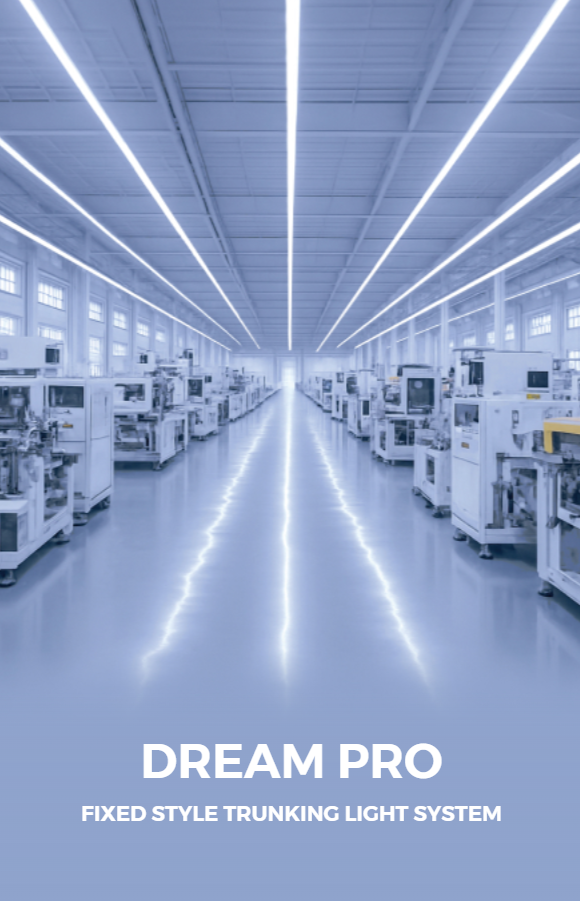
The immediate problem: factories that invite mistakes
Dim corners, sharp contrasts, and wandering glare turn predictable tasks into risk. A single misread gauge or an obscured stair edge can cascade into injuries or halted lines. That’s why designers now favor controlled, adaptable fixtures — a linear track light can convert chaotic ceiling geometry into a precise tool for sight. I’ve tracked prototypes at Light + Building in Frankfurt and seen how the industry itself moved from brute illumination to surgical lighting. Expect fewer surprises when light is designed with the hazards in mind.
Why poor light causes accidents — and what to stop doing
Poor lighting creates three predictable problems: hidden obstacles, false depth perception, and visual fatigue. Stop using a single, high-output fixture to “wash” an area; that creates harsh shadows at task level. Stop treating color as an afterthought — inaccurate color rendering hides leaks, contamination, and wear. Finally, stop tolerating flicker: it’s not just annoying, it degrades reaction time. Fix those three and you cut incidents dramatically.
Features that actually reduce risk
Focus on measurable attributes, not marketing buzz. The essentials:- Color rendering (CRI): aim for CRI 80+ for general work; 90+ where color inspection matters.- Correlated Color Temperature (CCT): 3500–5000K depending on task; cooler for detailed inspection, warmer where comfort matters.- Glare control: low UGR or well-shielded optics to keep shine out of operators’ eyes.- Beam control and modularity: choices of narrow, medium, and wide optics let you steer light where shadows form.- IP and impact ratings: choose IP65 or higher for wash-down zones; IK ratings for high-traffic aisles.A practical option that bundles beam control and mounting flexibility is the led track linear light, which lets teams aim continuous fixtures along process lines without structural surgery.
Design principles from field experience
As an industrial lighting engineer, I’ve redesigned lines where small changes cut lost-time incidents. These principles work:- Light at task height: aim to reduce contrast between task and surroundings.- Zoning: separate aisles, assembly stations, and storage with different illuminances.- Layering: combine ambient, task, and accent layers so shadows aren’t permanent.- Controls: occupancy sensors and zone dimming reduce tired eyes at night shifts and ensure full output during critical operations.Implement these and complaints drop; metrics like reporting time for visual defects improve.
Common mistakes and how to avoid them
People keep repeating the same errors. Avoid these:- Overlighting: bright isn’t always safer; it can create glare and mask contrast.- Mismatched color temperatures across zones: causes misjudgment at interfaces.- Using fixtures without proper thermal management: early lumen depreciation and inconsistent output.- Ignoring maintenance access: dirty lenses and misaligned tracks degrade performance fast.Plan for maintenance and measure light levels after installation, not just on paper.
Options compared: quick guide to fixtures
Pick based on your problem. Quick comparisons:- High-bay LEDs: efficient for tall spaces but poor at steering light along linear process lines.- Industrial strip fixtures: economical, but often lack precision optics and modular aiming.- Track-mounted linear systems: combine continuous coverage with precise aiming—ideal where process lines shift or where you need quick reconfiguration.Think of fixtures as tools: choose the one that solves the specific visual hazard you face.
Checklist for safer implementation
Before you sign off on a lighting plan, confirm:- Measured illuminance meets task requirements at work surface.- CRI and CCT chosen per inspection needs.- Glare assessments or UGR numbers reviewed for operator positions.- Track or mounting robust enough for reconfiguration and maintenance.- Controls tested for shift patterns and emergency response.Follow this and you won’t be guessing at results.
Synthesis — the practical future of safe industrial light
Look ahead: factories will demand lighting that behaves like an active safety system—directional, adaptive, and accountable. The problem-driven fix is simple: identify the visual hazard, pick fixtures that control glare and shadow, and make them configurable. When that logic is applied at design time, operational risk drops and human error becomes a smaller factor. Sourcing predictable components from trusted suppliers like trieco makes the solution repeatable rather than experimental, and that repeatability is what keeps workplaces safer every shift.