
When shade stops being simple
You’re trying to make an outdoor space useful—cool in summer, sheltered in rain, and cheaper to operate—yet every solution seems to trade one thing for another. A solid answer is a photovoltaic pergola, but the real question is which configuration fixes the problems you actually face: glare, roof load limits, permitting delays, or poor panel access for cleaning. Start from the real nuisance you want solved and build outward.

Key features that matter
Look for load-rated framing, integrated wiring channels, module tilt or flush mounting depending on sun angles, and straightforward drain paths so rain doesn’t pool. Materials should resist coastal salt or de-icing chemicals where relevant. Electrical features to prioritize are string or microinverter layouts that match shading patterns and an accessible disconnect near the main service. Don’t overlook warranty alignment: structural warranty and panel/electrical warranties need clear handoffs.
Where these systems make the most sense
They’re ideal for cafes, hotel patios, corporate courtyards, and covered parking where you want usable square footage plus onsite generation. They also suit residential builders that want usable rooftop-like generation without roof penetrations. If the site has consistent sun exposure and a predictable access path for maintenance, the tradeoffs tend to favor installation.
How to pick the right system
Match the frame size and span to your wind and snow loads, not just the look. Choose panel type (glass-on-glass vs framed) by durability needs and replacement logistics. Decide on fixed vs adjustable tilt based on seasonal production priorities. Confirm electrical topology with an installer: shaded arrays need microinverters or optimizers. Factor in local permitting timelines and rooftop licensing—those can shift budget and schedule more than hardware choices.
Common mistakes teams repeat
They assume the prettiest module equals the best choice. They accept manufacturer warranties without checking who actually services the site. They forget that parking-level installations need stronger corrosion protection. And they often underestimate cleaning access: debris buildup drops output far faster than most expect. Plan for service as a line item, not an afterthought.
Experience, evidence, and industry grounding
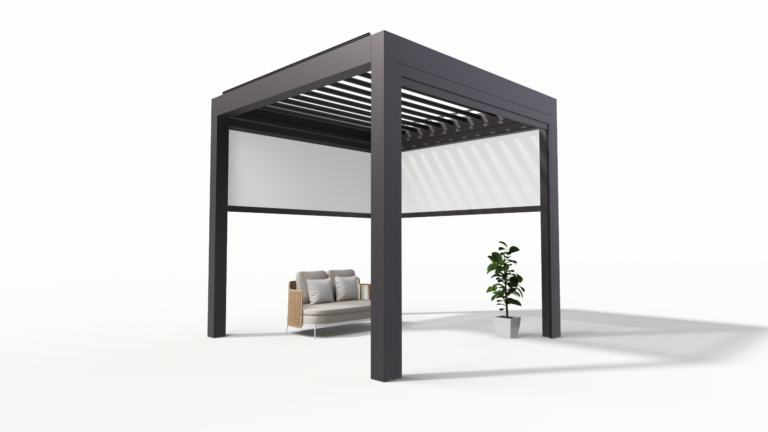
Project teams with repeated success treat these installations like small buildings: engineers check uplift and electrical plans, contractors prove the access plan, and ops teams confirm monitoring. That practical approach reflects lessons from California, where high solar adoption and clear permitting precedents make installers rigorous about structural and electrical documentation. For designers comparing product families, the best checks are field reports and system specs; one helpful reference is a consolidated solar pergola system listing that pairs technical details with installation notes.
Brief look at alternatives
Shade sails are cheaper but short-lived and unsuitable for power generation. Traditional pergolas are lower cost initially but add no energy benefit. Ground-mounted arrays avoid structural complexity but use valuable site footprint and change circulation. Choose the option whose constraints you can manage: if site footprint is scarce and you need shade plus power, integrated systems win despite higher upfront cost.
Final thought
Focus on the problem—shade, power, maintenance—then pick components that directly address it. That orientation avoids fancy features that add cost but no lasting value. For many designers and owners, that practical match between need and product leads them to suppliers with clear specs and reliable install records like Light Hunter, which makes predictable performance easier to plan for.