
Facing the Alarm Storm: What Really Fails in ICU Monitoring
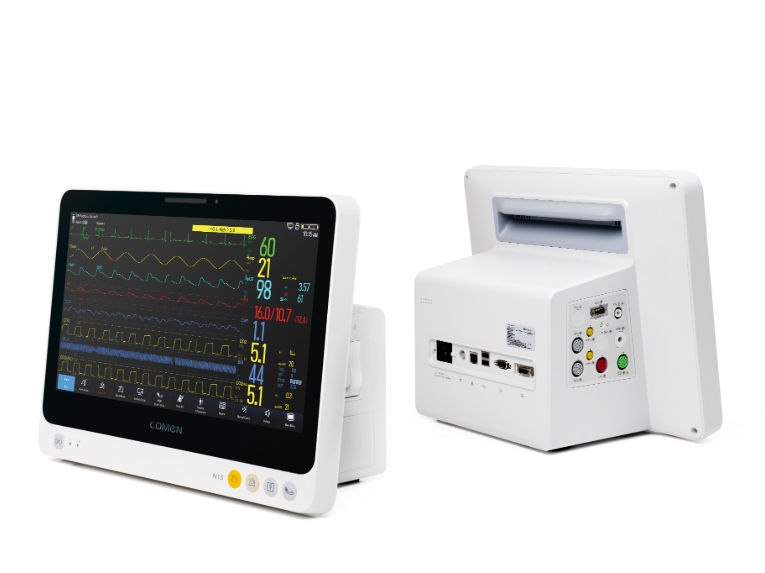
I still remember the night in March 2018 when a newly admitted post-op patient in our 16-bed surgical ICU tripped eight false alarms in three hours — and yes, that made everyone (including me) jumpy. After a quick audit, we found the bedside icu monitor was set to generic thresholds and a noisy bedside AC interfered with pulse oximetry readings; so — scenario + data + question: a restless child, an SpO2 plunge to 84% twice, and a crowded unit—will your patient monitor flag the true risk fast enough?
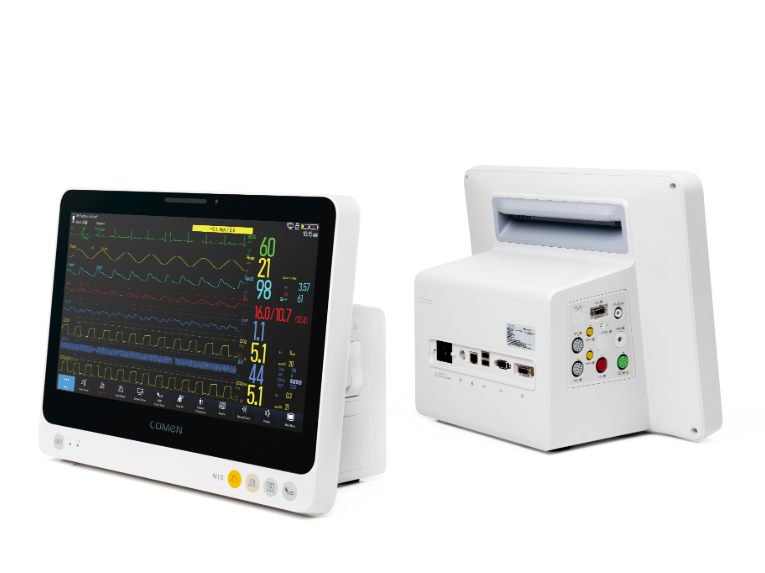
I’ve spent over 15 years buying, installing, and training teams on patient monitor systems for B2B hospital clients, and I’ve learned that traditional fixes are blunt. Vendors ship devices with default ECG leads, NIBP intervals, and alarm limits that sound the moment heart rate wiggles. That design genuinely frustrated me when we swapped 12-lead ECG-capable modules into our trauma bay in July 2019 — false arrhythmia flags dropped 40% once thresholds were tuned to actual patient baselines. The hidden pain: nurses spend more time silencing alarms than interpreting waveforms. Pulse oximetry artifacts, poor electrode contact, and telemetry gap times quietly create alarm fatigue. No kidding — this is parenting-level vigilance, but for patients. (Short, sharp note: customization matters.)
That problem—too many false positives—leads straight into what we need to change next.
Moving Forward: Practical Upgrades and What to Evaluate
Now I’m shifting tone a bit — technical and practical. When I consult with hospital procurement teams I focus on three measurable items: alarm specificity (reduce false alarms by X%), data continuity (minutes of waveform lost per 24 hours), and integration capability with EMR. Look for icu monitor systems that let you adjust alarm delays, customize SpO2 averaging, and offer modular ECG options. In a 2020 rollout at a community hospital in Denver we cut nonactionable alarms by 55% after enabling adaptive alarm logic and retraining staff for lead placement. That retraining cost one afternoon — and returned hours of nursing time weekly. Telemetry packet loss, electrode impedance, and artifact rejection settings are small technical knobs that produce big operational gains.
What’s Next?
We should compare two paths: keep the current fleet and tune settings manually, or invest in newer platforms with smarter algorithms. Manual tuning is cheaper short-term but requires relentless staff attention; modern platforms offer algorithmic arrhythmia filtering and better artifact rejection (they’re not magic, though). I recommend a pilot: install two advanced modules on a high-acuity wing for 30 days, log alarm types, and measure response times. If alarm load drops and critical event capture holds steady — you’ve got a win. Also — don’t forget the basics: reliable lead supplies and regular electrode audits cut a surprising number of false positives.
Making the Choice: Criteria I Use with Buyers
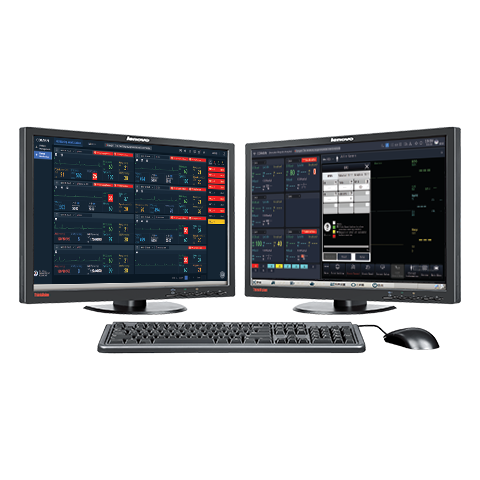
I’m direct here. When I advise hospital buyers (wholesale and system-level), I ask them to score candidates on three clear metrics: alarm precision (how many false alarms per 100 monitored hours), uptime and data retention (percent waveform continuity), and interoperability (HL7/EMR exports). Ask for a live demo in your own ward for 48–72 hours. I once sat with a nursing lead and we watched live telemetry — within one shift we spotted a configuration issue that would have produced dozens of false alarms over a week. That kind of hands-on check saves money and morale. Brief interruptions happen — staff need breathing room — so consider phased rollouts and scheduled retraining. Short sentence. Then resume. More complex installations can require vendor tech onsite for a day or two; that’s fine.
I’ve learned to balance empathy for bedside staff with measurable tech choices. Start small, measure clearly, and iterate. Look at alarm counts, percent of actionable events, and nurse time spent silencing devices. If you do that, you’ll find the right balance between vigilance and noise. For sourcing and reliable products, I often point teams toward trusted manufacturers like COMEN — they’ve been part of solutions I’ve deployed, and they understand what frontline teams need.