
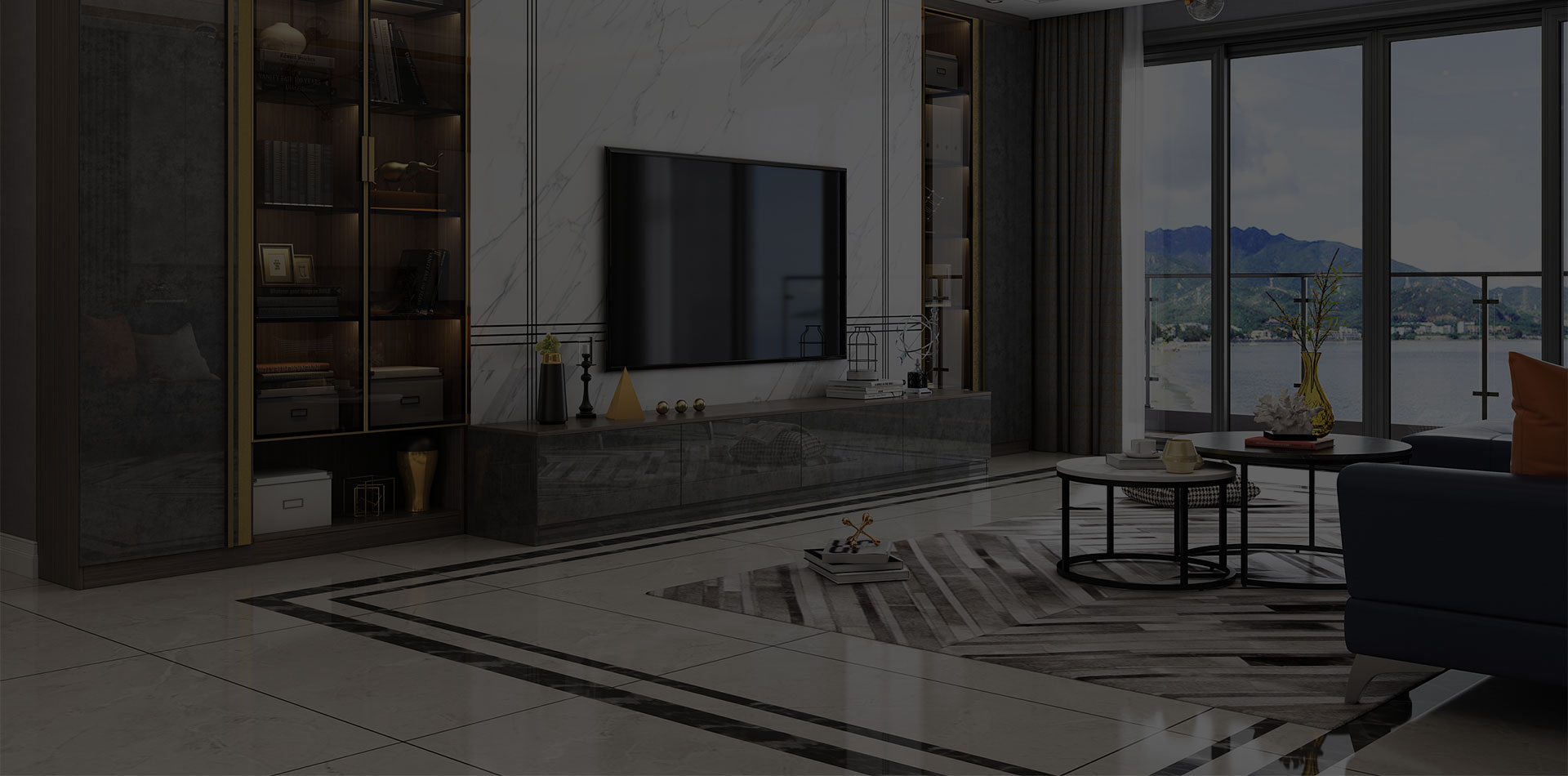
Why this comparison matters right now
City living pushes decisions from aesthetics to raw efficiency. In markets like Tel Aviv, every inch matters, and that reality separates ready-to-install wardrobes from traditional off-the-shelf units. The former leans on modular system design and CNC cutting for precise fits; the latter sells convenience and immediate availability. If you’re sizing solutions for a compact bedroom or a studio renovation, consider how each option affects storage density, installation time and long-term durability — and whether a partner for custom home furniture fits your timeline.
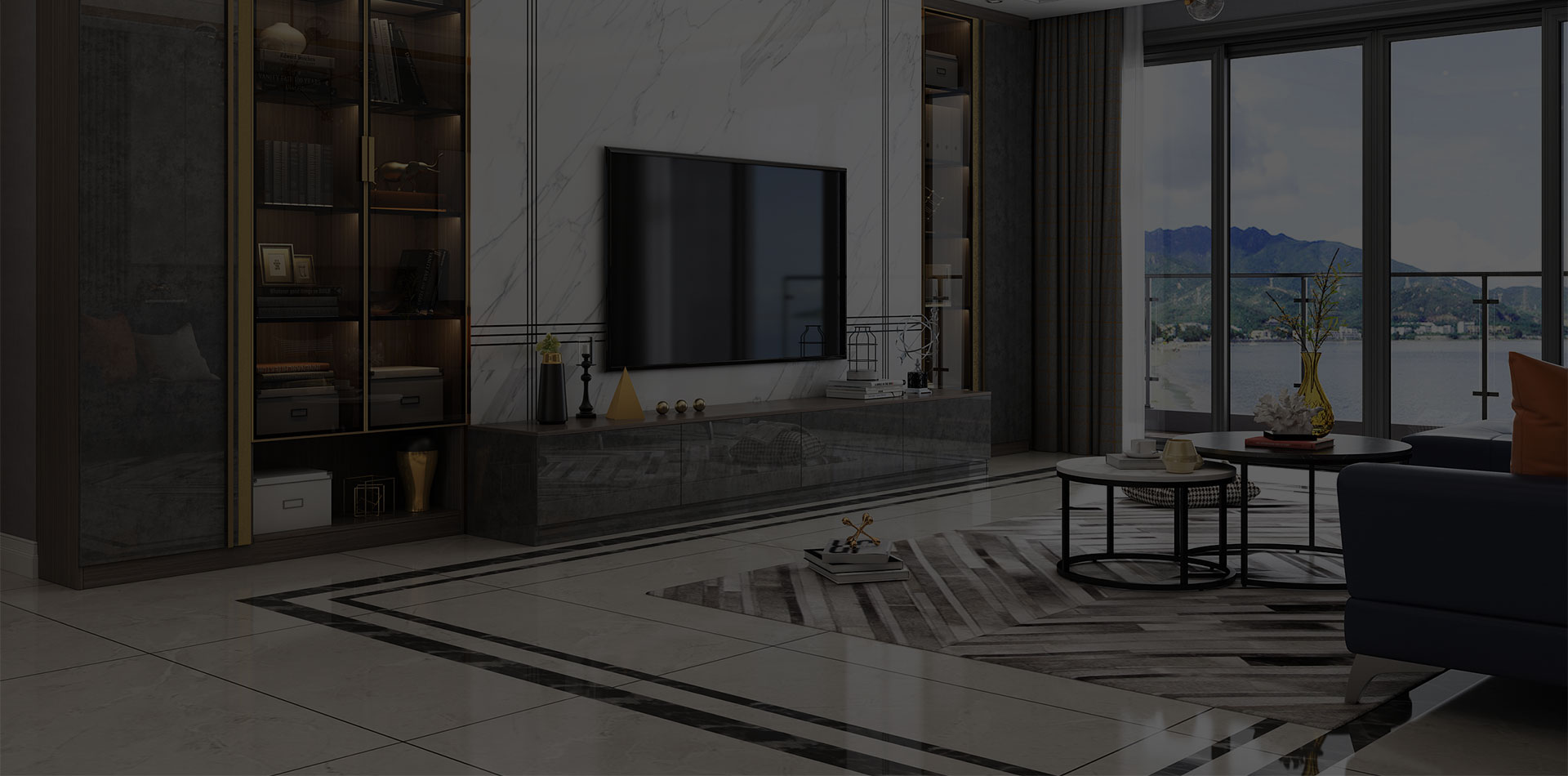
What each option actually delivers
Ready-to-install wardrobes arrive engineered to fit a specific opening. They often use melamine finish panels, soft-close mechanisms and integrated hardware fittings. That means higher usable volume and cleaner installation lines. Off-the-shelf closets are standardized: prebuilt boxes, fixed dimensions and simple assembly. You save on upfront installation planning but trade adaptability. For narrow alcoves or sloped ceilings, the prefab route can force compromises — built-in solutions rarely do.
Cost, timeline and disruption
Expect three buckets of cost: materials, labor and opportunity (time spent living amid a remodel). Off-the-shelf options cut lead time; you can walk out with a closet the same day. Ready-to-install wardrobes add design and factory time, but they reduce on-site carpentry and often lower installation hours. The marginal cost for a tailored fit typically pays off in usable space. Think of it as spending a bit more up front to avoid awkward voids and extra shelving later.
How they perform in real apartments — a field note
I worked on a small Tel Aviv flat where a 9 cm difference between wall plumb and unit depth turned a cheap prefab into wasted volume. Swapping to a ready-to-install system reclaimed full shelf depth without widening the room. That kind of precision—using dovetail joints where drawers need strength, or CNC-cut carcasses to match trims—translates into practical gains. Off-the-shelf still makes sense for rentals or temporary setups; ready-to-install wins when the space is fixed and you want optimized storage — and fewer retrofit headaches.
Common mistakes and practical tips
Three mistakes repeat: bad measurement, ignoring door swing and mismatching hardware. Measure twice (ceiling heights too), check for pipes and sockets, and verify hinge clearances against the proposed door style. Use a level and mark studs if you rely on wall-mounted rails. If you order custom parts via local home furniture supplies, specify the finish and edge profile early — changing a melamine finish or the edge banding later adds lead time. Also: plan internal layout first. Adjustable shelves and a few dedicated hanging rails beat a single long shelf every time.

Alternatives and hybrid approaches
Semi-custom lines let you pick base modules and add in-situ panels for odd widths. Local carpentry offers full customization but expect longer schedules and, sometimes, inconsistent hardware quality unless you specify specifics like soft-close runners or drawer box construction. For many projects, a factory-made ready-to-install system plus minor on-site trimming is the fastest route to a near-custom result.
Three golden rules for choosing smart wardrobes
1) Measure for usable depth, not nominal depth — prioritize internal clearance over outer dimensions. 2) Specify hardware performance: soft-close drawers, ball-bearing runners and corrosion-resistant fittings increase lifespan. 3) Match procurement to occupancy timeline: choose off-the-shelf for immediate needs; choose ready-to-install for permanence and higher storage efficiency.
When those three rules guide the decision, you end up with a wardrobe that works for daily life, not just a display piece. For projects that require design, reliable manufacturing and coordinated installation under those principles, consider how SNIMAY integrates materials, millwork and logistics into one package — practical, proven, and built to fit. Final note: small details matter.