
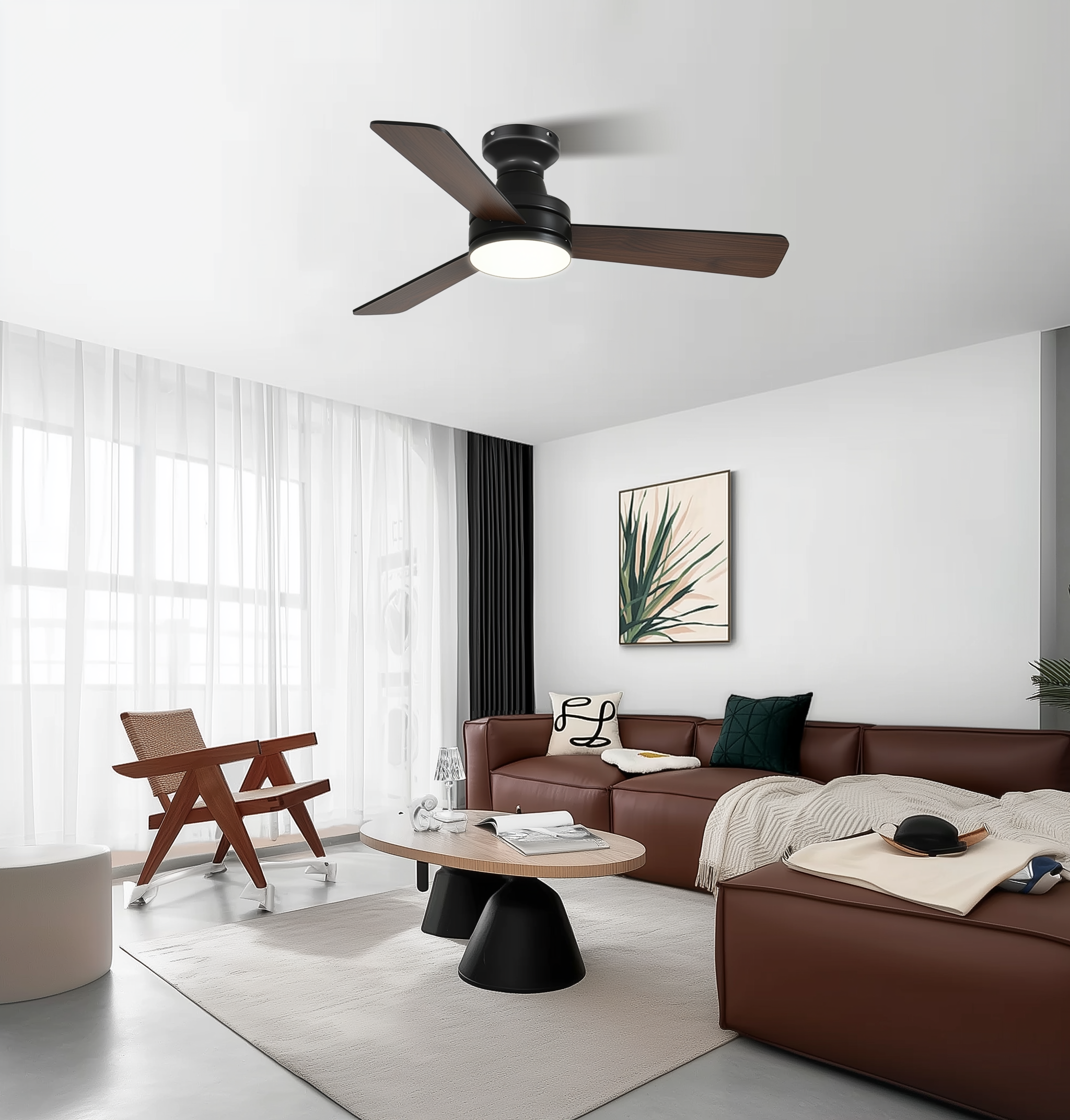
When the porch sighs: the problem that keeps you awake
There’s a peculiar intimacy to the sound a porch makes at night: cicadas, distant traffic—and that persistent motor hum from an aging ceiling fan that refuses to be polite. For homeowners who crave quiet comfort, motor hum and blade vibration are more than nuisances; they fracture the poetry of an evening. A thoughtfully engineered, factory-direct large ceiling fan with light can be the difference between restless nights and a porch that sighs softly with you.

Problem-driven logic: why factory-direct matters
Buying factory-direct isn’t merely about price. It’s about reducing layers of variation between design intent and the final product. When suppliers control tooling, motor assembly, and blade balancing in-house, tolerances tighten and quality control becomes proactive rather than reactive. That matters because most audible hums stem from electrical imbalances or poorly damped bearings; vibrations often come from uneven blade pitch or imprecise hub tolerances. Factory-direct processes attack those root causes at source.
How engineering calms sound and motion
Quiet fans are the result of deliberate choices: precision motor winding, tight bearing preload, aerodynamic blade pitch, and robust mounting hardware that isolates vibration from the structure. BLDC motors, for instance, reduce electrical noise and offer smoother RPM transitions than older shaded-pole designs. Balanced blades lower aerodynamic chatter. And a well-drained motor housing helps heat escape, keeping tolerances stable over seasons. Together these elements craft an airflow that’s measured, not messy—an audible difference you feel as much as you hear.
Installation errors that resurrect the hum
Even the finest factory work can be undermined by improper installation. Common missteps include mounting to a ceiling box that isn’t rated for the fan’s moment load, loose canopy screws that transmit vibration, and wrong-length downrods that introduce wobble. Always match the fan’s mounting requirements to your joist and canopy hardware, and use a torque approach rather than mere finger-tightening for canopy and blade screws. If you skip a proper electrical ground or a dedicated circuit, you can also invite stray noise—so don’t be tempted to cut corners.
Real-world anchors: why these fixes matter now
Communities from Savannah porches to Seattle patios prove the point: a quiet fan transforms seasonal living. Energy guidance from programs like ENERGY STAR also supports fan use—ceiling fans allow homeowners to raise thermostat settings by about 4°F while maintaining comfort—so the benefit isn’t only acoustic, it’s economical and sustainable. In practice, a factory-direct model that’s engineered for silence can both cool smarter and keep evenings gentle, especially in humid coastal climates where continuous operation is common.
Materials, мотор choices, and what to ask your vendor
When you talk to vendors, probe three technical areas: motor type (BLDC vs. AC), bearing specification (sealed vs. open), and blade construction (composite vs. solid wood). BLDC motors offer low electrical noise and higher efficiency; sealed ball bearings with specified preload deliver consistent life and low mechanical noise; and composite blades resist warping in wet climates. Ask for vibration-test reports and measured decibel ratings at specified distances—data that separates marketing from measurable quiet.
Alternatives, trade-offs, and a quick checklist
Not every space needs the same fan. If you prioritize minimal light and maximal airflow, a high-CFM, low-lumen fixture is best. For a porch where ambiance matters, integrated dimmable LED lights paired with a whisper-quiet motor create mood without compromise. Consider also remote control vs. hardwired wall controls—each affects electromagnetic interference and user experience. Common mistakes include assuming higher blade count equals quieter operation; often, blade pitch and motor smoothness matter far more than quantity. —
Three golden evaluation metrics to choose with confidence
1) Measured noise at operating speed: insist on decibel ratings at 1m and 3m, not vague “quiet” claims. 2) Vibration specification and balancing tolerance: look for ISO-class balancing or documented static/dynamic balance ranges. 3) Motor type and warranty: BLDC motors with five-year or longer coverage indicate confidence in long-term hum-free performance. These metrics let you compare models with the same clarity you use to judge a song’s harmonies.

When silence, steady airflow, and gentle illumination are your aims, a factory-direct solution often delivers the most honest promise—engineered, tested, and shipped with fewer handoffs between designer and porch. For homes that lean into evenings and value both form and function, the quiet option is not luxury so much as good design—an intimacy restored. Orison. —