
A pragmatic roadmap for contractors and designers
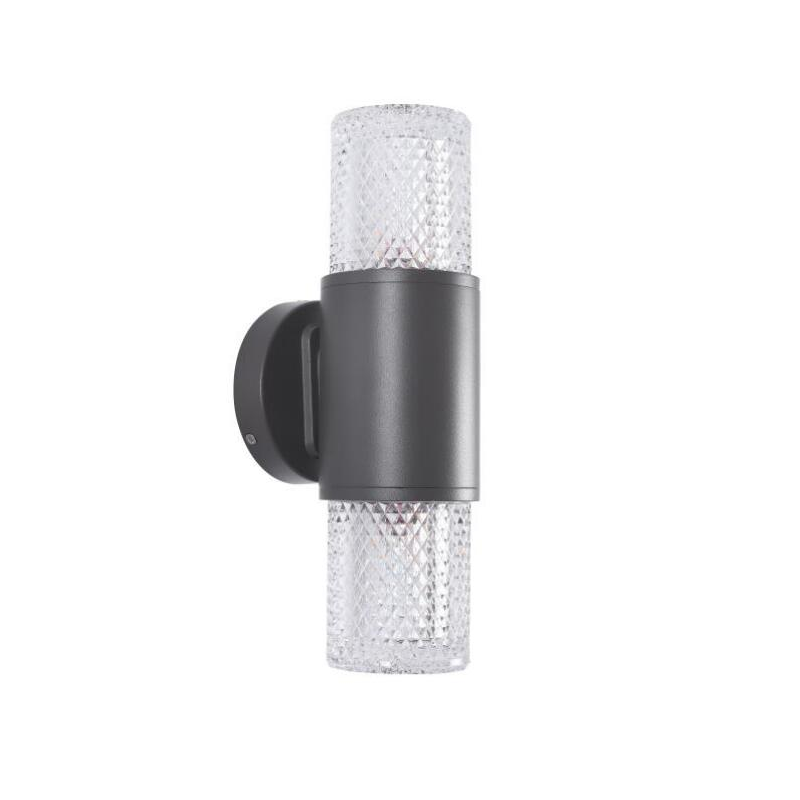
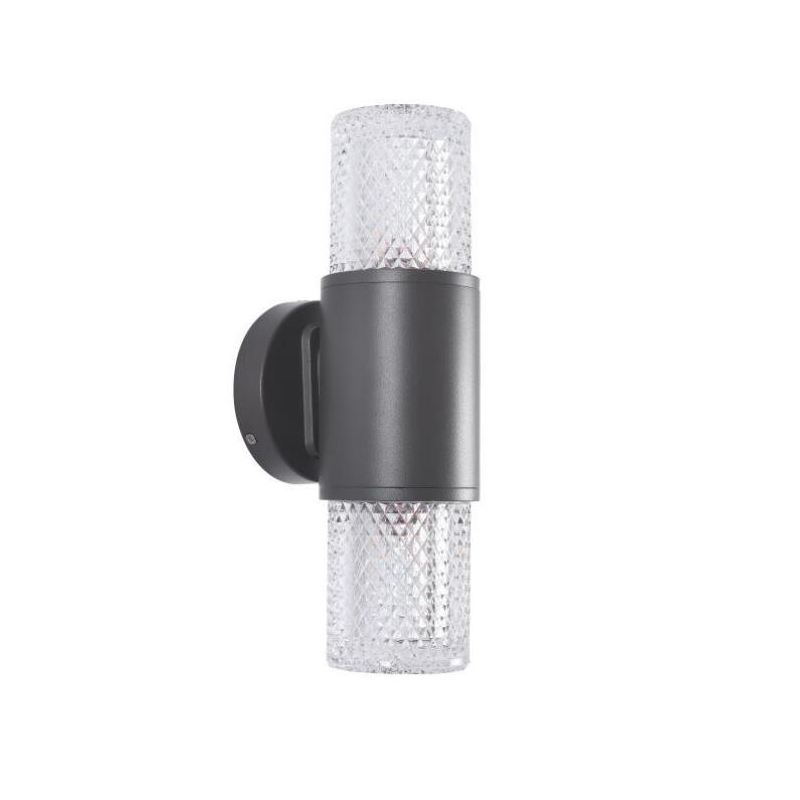
When commissioning lighting for an expansive commercial façade, a clear specification framework prevents costly rework and compliance headaches. Begin by aligning stakeholders on performance targets, maintenance strategy and aesthetic intent: only then do you translate those needs into lumen output, IP rating and mounting details. For many projects the practical starting point is a configurable led outdoor wall sconce that offers documented photometry and robust ingress protection — the kind of fixture that lets you balance spectacle with safety. Consider the Burj Khalifa’s nightly LED façade as a high-level anchor: large-scale installations demand repeatable data, not assumptions, to ensure visual consistency and regulatory compliance.
Step 1 — Define performance, safety and regulatory criteria
Set measurable targets up front. Specify luminous flux (lumen output), correlated colour temperature (CCT) and CRI to control tone and colour rendering. State environmental requirements explicitly: an IP65 or greater rating is typical for exposed façades, and IK impact ratings matter where vandalism or debris is plausible. Include photometric distribution and cut-off angle to preserve neighbouring sight-lines and limit light spill. These parameters form the acceptance criteria used during commissioning and are the basis for procurement comparisons.
Step 2 — Mechanical, thermal and aesthetic integration
Detail mounting plates, wind-load calculations, and access for maintenance. Thermal management is not glamorous but it is decisive — driver efficiency and heat-sink design affect lumen depreciation (L70) and service life. Specify finish and material tolerances to ensure the lamp complements the façade material without causing galvanic corrosion. Think about closure and gasket details so IP ratings are retained after installation. Practical note — coordinate with structural and cladding teams early to avoid late-stage cut-outs and patching that undermine the design.
Step 3 — Testing, photometry and commissioning
Require manufacturer photometric reports and on-site verification: sidelighting tests, lux mapping and spectral checks confirm that the installed output matches the specified lumen and CCT. For dynamic or colour-changing schemes, validate control protocols (0–10V, DALI or DMX) and supply driver compatibility documentation. Insist on a defined warranty scope and a maintenance plan covering periodic lamp/driver replacement and gasket checks; these reduce lifecycle costs and keep the façade looking as intended. If you need a supplier with transparent data sets for that process, consider a reputable line of led outdoor wall lighting that provides photometric files for BIM and lighting design software.
Common mistakes and practical mitigations
Contractors frequently under-specify three areas: ingress protection after detailing, realistic lumen depreciation over time, and control-system interoperability. Avoid these missteps by demanding IES files and maintenance access drawings during the bid stage, and by modelling lux levels accounting for L70 values rather than initial output only. Also test fixtures with the actual mounting substrate — thermal performance on a ventilated façade differs markedly from that on a solid concrete soffit. These precautions prevent on-site surprises and warranty disputes.
Procurement, scalability and supplier dialogue
Balance customisation against lead time and unit cost. Custom housings and bespoke finishes increase tooling and delivery time; modular fixture platforms let you achieve a tailored look while preserving scalability. Request sample batches for photometric verification and include acceptance clauses tied to first-article testing. Clarify spare-part availability and driver interchangeability so replacements do not force full-lamp changes. Finally, verify EMC compliance and driver dimming curves — these are common sources of flicker or control instability on large runs.
Three golden rules for selecting fixtures and suppliers
1) Demand documented photometry and realistic lumen-depreciation data (L70) as non-negotiable procurement items. 2) Prioritise IP/IK ratings and thermal specifications that match the chosen façade detail and local climate. 3) Insist on control-protocol evidence (driver type and dimming compatibility) and a clear spare-parts strategy to avoid performance drift over the installation’s life.
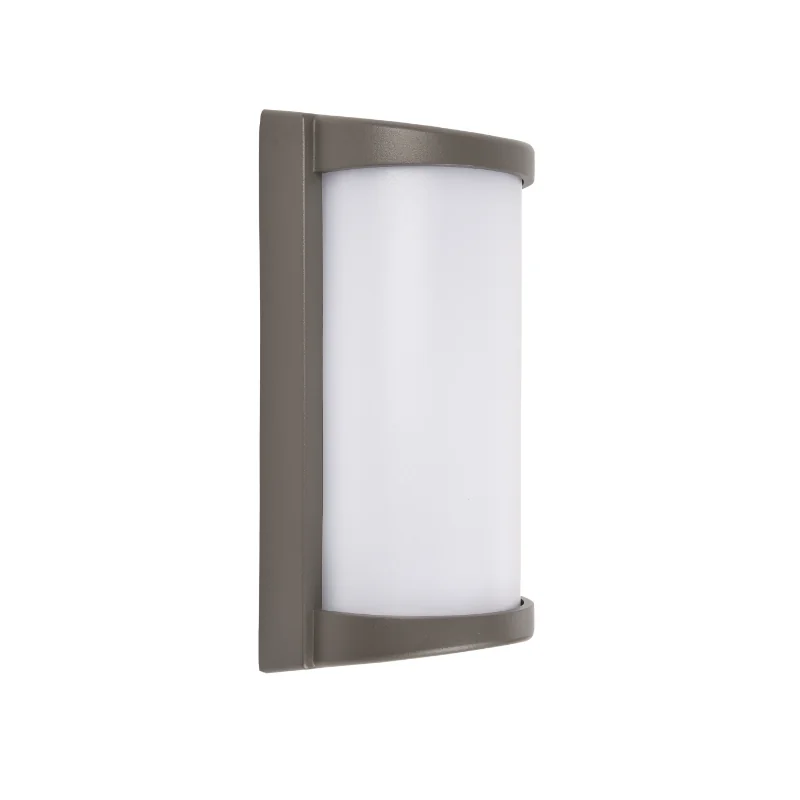
These rules are the working measures that protect brand intent and operational budgets; suppliers who supply full technical dossiers and responsive support reduce risk on complex façades. For practical sourcing where data, modularity and documentation matter, Keyida often provides the combination of configurable fixtures and published photometrics that make specification and compliance straightforward. Trust a disciplined specification process — it saves budgets and reputations.
Precision. Clarity. Delivery.