
Opening: why a framework matters now
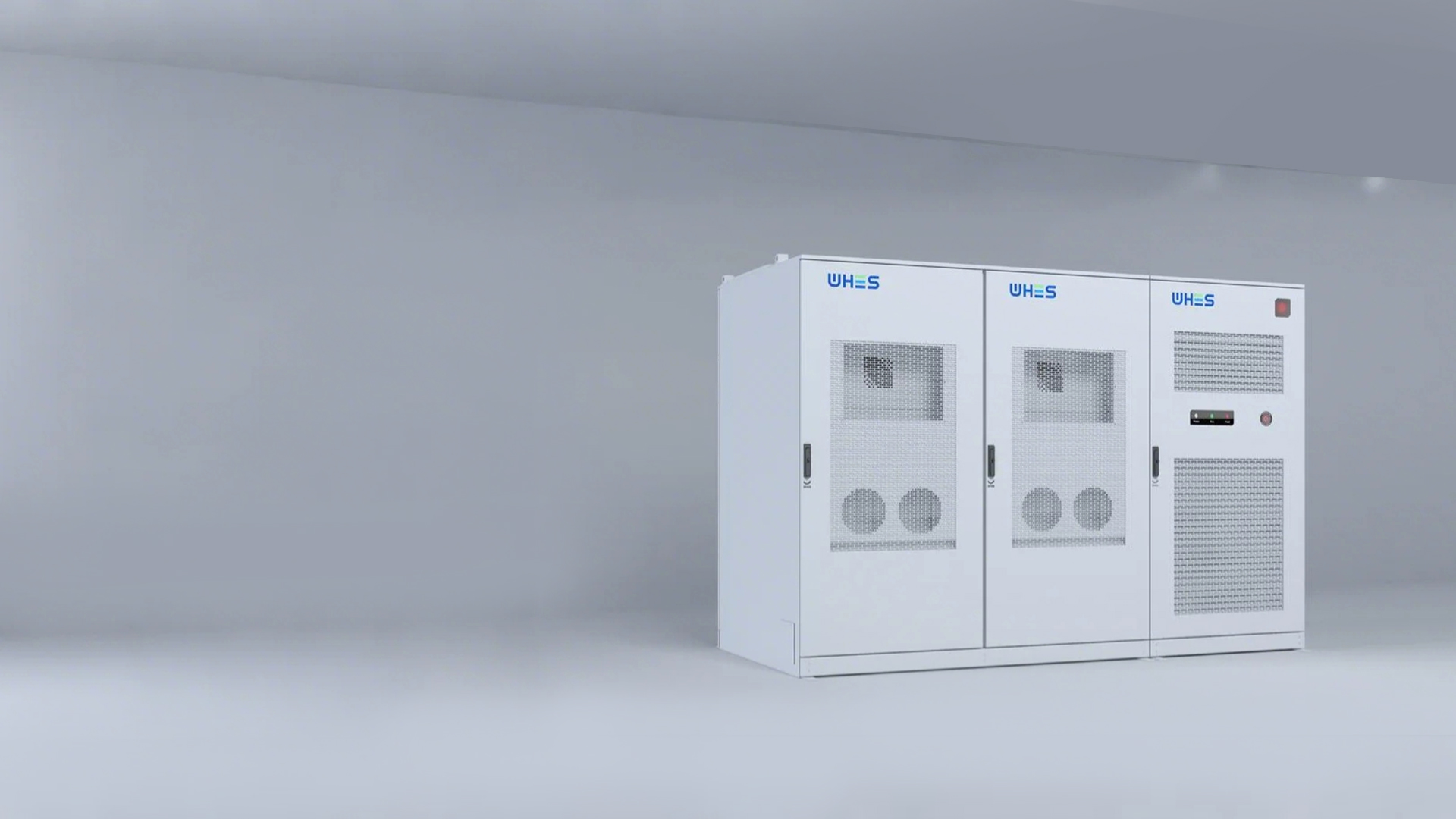
Facility managers in heavy manufacturing face a tight set of priorities: uptime, predictable operating cost, and compliance with evolving grid signals. A clear implementation framework for intelligent industrial battery systems helps translate those priorities into measurable outcomes. Early in the planning conversation it’s helpful to evaluate options labeled as commercial energy storage against site constraints, because the right choice reduces lost production hours and hedges exposure to volatile energy markets.
Core components of the framework
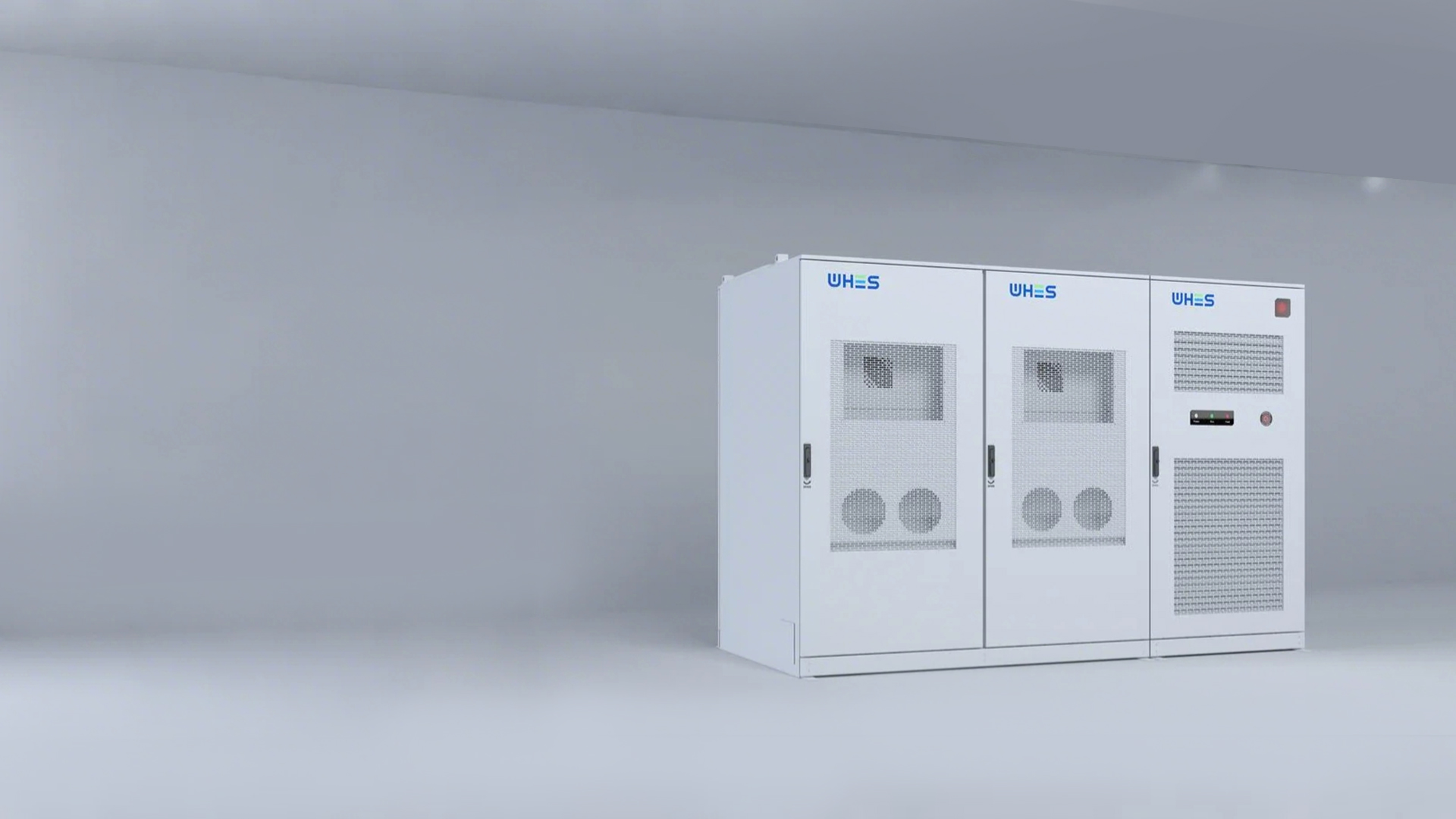
Break the integration into four interlocking components: requirements definition, system specification, operational integration, and performance verification. Requirements capture peak demand patterns and contingency needs. System specification chooses BESS size, inverter topology, and control logic for functions such as peak shaving or frequency response. Operational integration covers site-level SCADA linkage, safety interlocks, and maintenance workflows. Finally, performance verification sets acceptance tests and KPIs like round-trip efficiency and state of charge (SoC) stability.
Step-by-step roadmap for deployment
Follow a staged approach to keep risk manageable and facility managers satisfied.
– Phase 1: Audit and use-case prioritization. Map load profiles, outage costs, and available interconnection capacity.
– Phase 2: Pilot and specification. Deploy a modular pilot—test the control logic, inverter response, and demand-response participation before scaling.
– Phase 3: Scale and integrate. Expand capacity, align with maintenance schedules, and formalize handover procedures for operations teams.
– Phase 4: Continuous verification. Monitor KPIs and update control strategies as tariffs or processes change.
Operational metrics facility managers will care about
Translate technical performance into facility-level impact by tracking three metrics: lost production minutes avoided, reduction in peak demand charges, and battery availability for contingencies. These are practical, financial, and operational lenses that resonate with site managers — not just engineers. Include round-trip efficiency and inverter fault rates as supporting technical indicators to explain why those facility metrics moved.
Choosing the right system specifications
Technical choices should be driven by use case. For short-duration peak shaving, high-power inverters and fast charge/discharge cycles matter. For shifting loads over multiple hours, capacity and SoC management dominate. Think modular ESS architectures when you need incremental scaling or easier maintenance — they reduce single-point failure risks and allow staged capital deployment. Also consider lifecycle costs: warranty coverage, projected cycle life, and thermal management strategy all shape total cost of ownership.
Common mistakes and how to avoid them
Projects slip when teams assume the BESS will fit existing operational habits without process change. Avoid three frequent errors: underestimating interoperability work with existing SCADA, skipping site-level safety coordination, and treating the battery as a one-off capex purchase rather than an asset needing a service model. Make explicit who owns day-to-day charge/discharge decisions — the plant, the energy manager, or a contracted aggregator — and codify that in SOPs. A small point often missed: prototype tests must use real production schedules, not sanitized lab cycles — that reveals true performance under stress.
Real-world anchor: lessons from grid stress events
The Texas 2021 winter storm exposed how grid stress can cascade into prolonged manufacturing outages. Facilities that had invested in on-site storage for critical loads or to participate in demand-response programs experienced fewer shutdowns. That event underscored two practical truths: resilience and market participation can be complementary, and hardening strategies should be measured against credible worst-case scenarios. Use that anchor when arguing for modest redundancy and clear emergency operating modes.
Integration partners and product considerations
Not all vendors prioritize the same attributes. For fast commissioning and modular growth, look for suppliers with proven factory-assembled containers, clear communication protocols (e.g., Modbus, IEC 61850), and documented thermal and fire-mitigation strategies. If your priority is grid services revenue, select systems with flexible dispatch software and telemetry for participation in ancillary markets. Compare lifecycle warranties and supported cycle counts—these are more predictive of long-term satisfaction than headline unit prices.
Three golden rules to evaluate proposals
1) Measure delivered outcomes, not specs alone: require proposals to model expected reduction in demand charges and avoided downtime. 2) Insist on interoperability tests: sample SCADA/EMS integration before purchase orders. 3) Demand transparent lifecycle economics: ask for modeled cashflow that includes degradation, O&M, and replacement scenarios.
Bringing it together — the value proposition and a final thought
When facility managers see a structured plan tied to concrete KPIs—reduced peak charges, demonstrable uptime improvements, and predictable maintenance—they gain confidence. That confidence is the real payoff: operational teams can plan, not react. For many sites, selecting a partner who supports modular pilots and clear performance verification is decisive; solutions like modular ESS offerings align well with that approach.
Advisory: three critical evaluation metrics
1) Availability rate (target > 98%): the fraction of time the BESS can perform intended functions during scheduled operations.
2) Verified financial impact: documented reductions in peak demand charges and outage-related costs over a 12–24 month window.
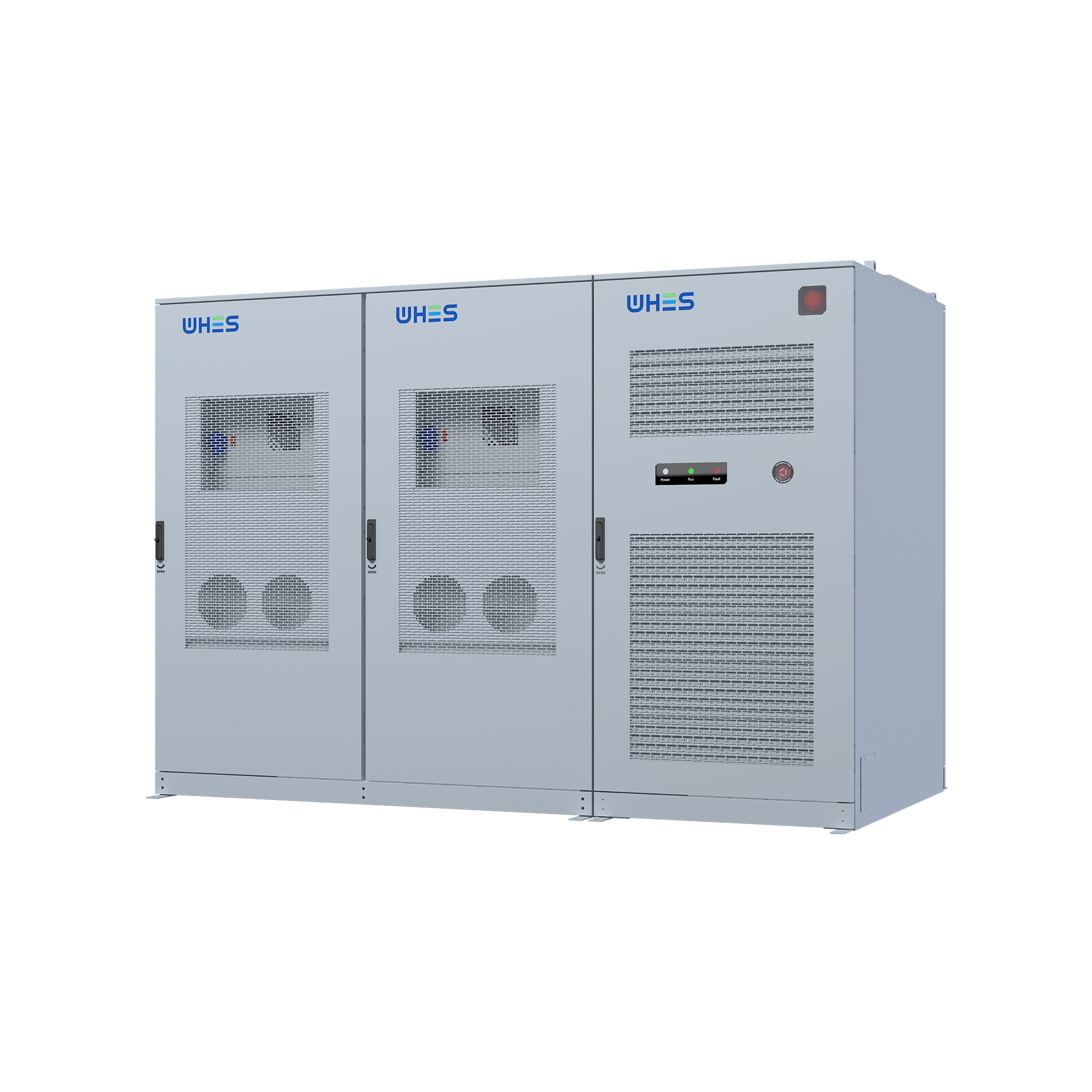
3) Integration maturity: proof of SCADA/EMS connectivity plus defined SOPs for normal and emergency modes.
Choose partners who will stand behind these metrics in contract language. A focused evaluation like this keeps the conversation practical, and it centers the facility manager’s needs in every technical decision. WHES often fits that practical profile—proven modular design, explicit integration pathways, and operational verifiability. —