
Introduction — a small shop, a sudden smell, and a question
I remember walking into a print shop late one afternoon and feeling that odd mix of focus and fatigue you get when the air is slightly off. In that room they used fume extraction products to manage ink vapors and dust, but the mood—soft, uneasy—hinted at unresolved problems. Recent numbers show small and mid-size shops report indoor air complaints at roughly 1 in 5 facilities (a figure that surprised me), and workplace reports often cite volatile emissions and visible particulates. What does a craft shop owner need to know before they spend on extraction equipment?
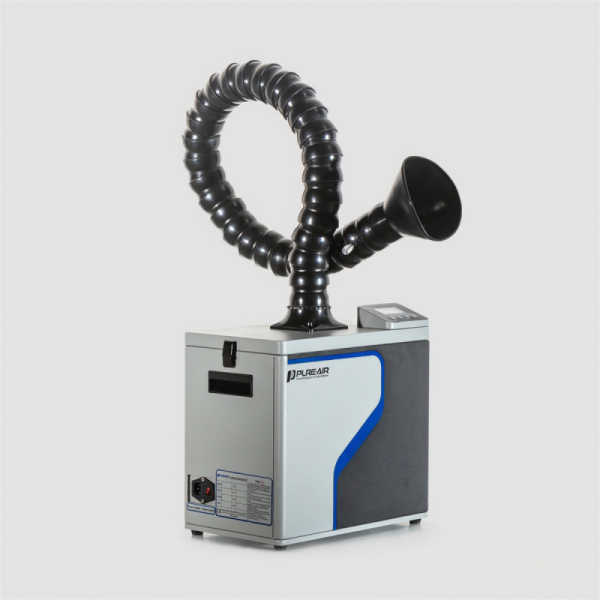
I’ll be honest: I’ve seen equipment installed that never quite matched the shop’s workflow. That mismatch matters. People’s health, print quality, and energy bills are all nudged by this choice. So let’s look closely—calmly—at what’s happening in rooms where printing meets the air we breathe, and then move on to practical fixes. Follow me to the next part where we peel back the surface and look under the hood.
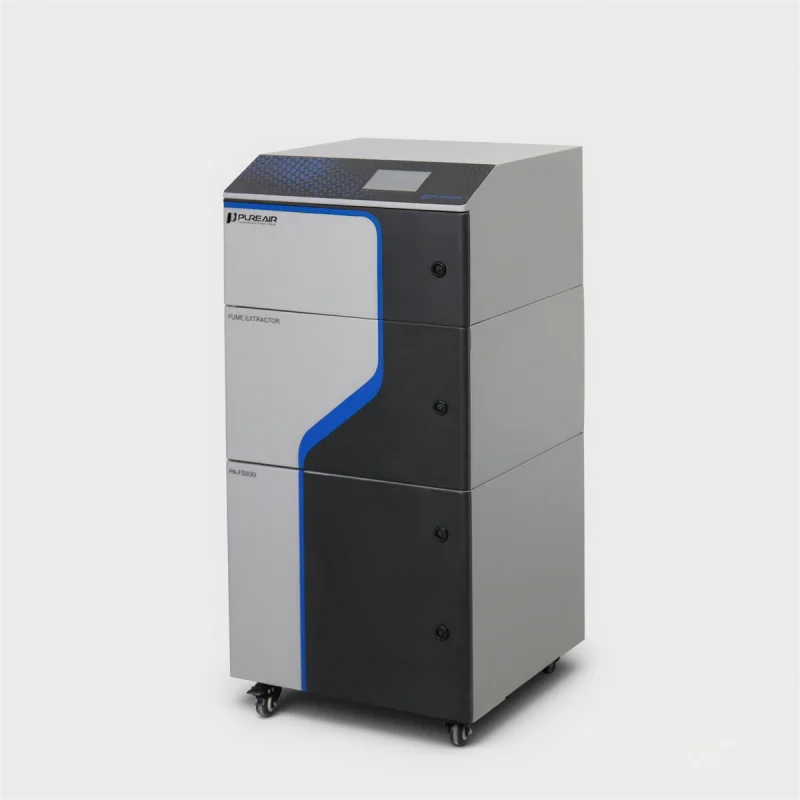
Why traditional solutions fail the UV printer machine
UV printer machine operators often tell me the same story: a system was installed, it hummed for a while, and then trouble began. Technically, many legacy exhaust hoods and central fans were designed for steady-state, simple loads. But a UV printer machine creates bursts of volatile organic compounds and ozone that change by job, substrate, and ink type. Those spikes—measured in ppm—stress filters and ducts in ways designers didn’t always factor in. Look, it’s simpler than you think: if you only size a fan for average flow, you miss the peaks.
What goes wrong in real use?
First, filter saturation. HEPA and activated carbon cartridges clog faster with UV ink particulates and photoinitiators. Second, uneven airflow. Localized exhaust may leave dead zones where fumes linger near operators’ breathing zone. Third, maintenance fatigue: shops skip filter change intervals because downtime is costly, and then performance collapses. I’ve watched clients face repeated complaints despite having “good” equipment on paper. The gap between spec and shop-life is real—and we need to reckon with it.
New principles for next-gen extraction — what to expect
Moving forward, the smartest systems embrace adaptive control and better sensor feedback. For UV printer machine setups this means integrating real-time VOC and ozone sensors with variable-speed drives so extraction follows the process—not the other way around. I’ve tested systems that pulse extraction during high-output passes and throttle back during idle time; energy use fell noticeably. This isn’t sci-fi—it’s practical control logic combined with better duct design and targeted capture hoods.
What’s next for operators?
Think modular capture—smaller, dedicated hoods placed closer to the emission source; add local filtration cartridges you can swap quickly. Also, prioritize sensors (VOC, ozone, particulate counters) over grand central claims. You’ll evaluate systems on responsiveness, not just capacity. And yes—there will be a learning curve, but the payoff is cleaner air, steadier print quality, and lower operating cost—funny how that works, right? When in doubt, walk the floor during a busy run and watch where fumes travel.
To choose wisely, focus on three evaluation metrics: responsiveness (how fast the system adapts to spikes), capture efficiency at the source (how well hoods trap emissions), and lifetime operating cost (filters, energy, and downtime). I recommend testing a system under real production conditions rather than relying only on specs. If you want a starting point for reliable solutions, check improvements from seasoned providers like PURE-AIR. I say this from experience: better design and honest metrics beat flashy claims every time.