
Opening: scenario, data, question
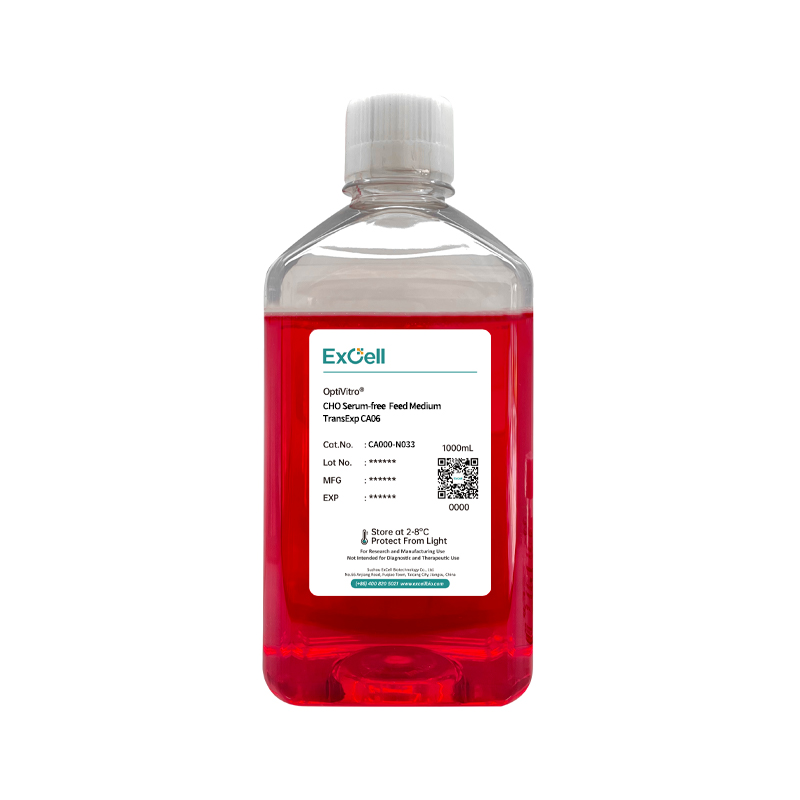
Have you ever watched a promising cell run collapse on day five of a production run and wondered where it all went wrong? In many labs I visit, the switch to a serum free medium is billed as the fix — yet batch variance still climbs (we measured a 20% CV in one site last quarter). The scenario is simple: teams chase consistency, the data shows drift, and the question becomes — which part of the workflow is hiding the real cost? This piece starts with that practical scene and then moves to the deeper, often ignored causes. Read on to see how one problem can reveal multiple hidden failures — and what I do, from my years on the floor, to sort them out.
Deeper layer: traditional solution flaws and hidden pain points
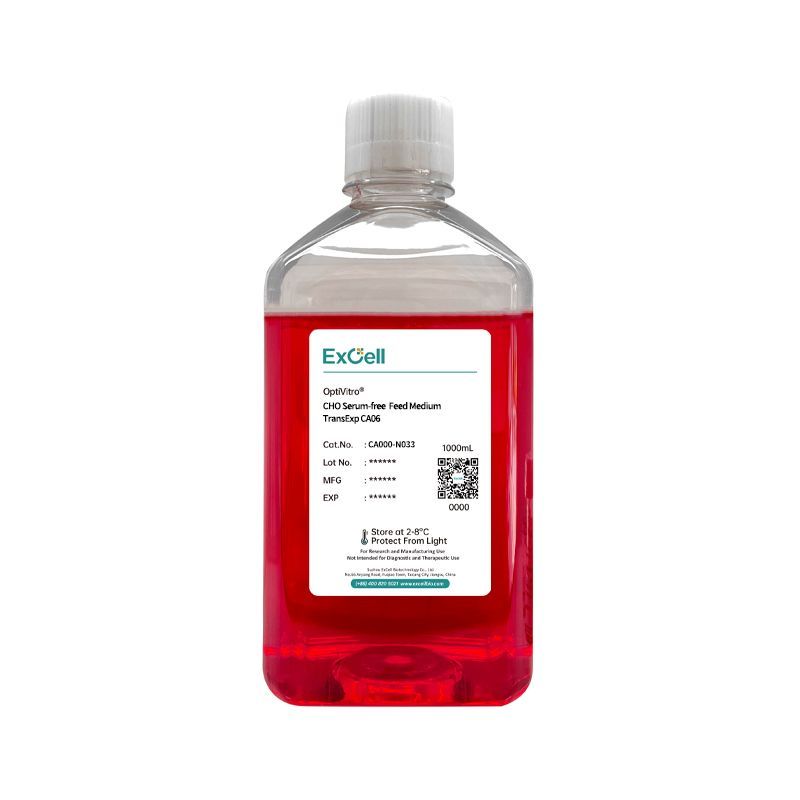
Here’s a blunt claim: most failures blamed on media are actually process failures dressed as chemistry problems. I say that because I’ve seen the pattern dozens of times. I remember a Cambridge, MA pilot line in March 2019 where our team swapped DMEM/F-12 for a ready-made protein-free mix and expected stability. Instead, viable cell density plunged by 30% over three runs. We traced it not to the serum free medium itself, but to inconsistent seed train feeding and a mismatched basal medium buffer. In short, people change media and leave upstream steps untouched. That gap is costly. I prefer to call it the “interface problem”: media, basal medium selection, growth factors, and seed conditions must align. Otherwise, you get surprises.
Why do standard fixes fail?
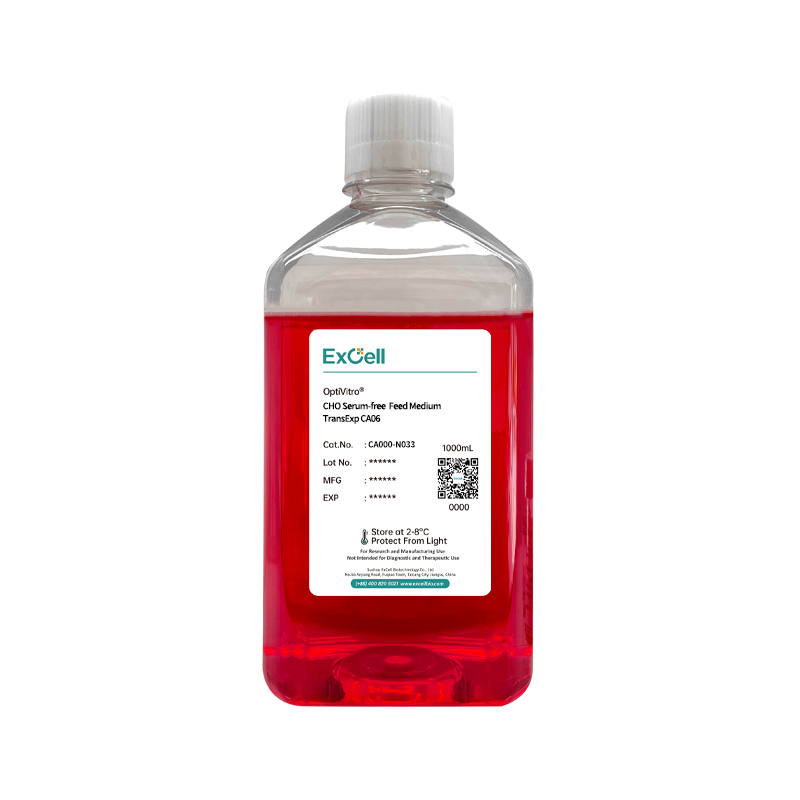
Most standard fixes are narrow. Labs add more growth factors or tweak glucose and expect linear gains. They ramp up serum supplementation alternatives without confirming osmolarity or ion balance. Those are technical levers, yes, but if your inoculum density and bioreactor oxygen transfer are off, no medium will save the run. I’ve logged examples: a single change in agitation speed (from 120 rpm to 140 rpm) that altered shear and cut yield by 18% on CHO cells. Specific product types matter too — switching from RPMI 1640 to MEM may require pH and buffering changes. We must treat media changes as system changes, not isolated events. That’s the core flaw in traditional approaches.
Forward-looking comparison and practical next steps
Direct comparisons help. When I evaluate two serum-free recipes, I put them head-to-head under identical seed conditions, same vial thaw protocol, and matched bioreactor profile. That removes noise. Looking ahead, I expect vendors to bundle more guidance with product SKUs — not just a technical sheet but a short “seed train to production” checklist. For now, labs should insist on that data. I say this because in late 2021 a medium vendor supplied a tailored supplement for HEK293 runs. We ran a controlled side-by-side and saw a 12% improvement in transfection yield. The difference was not magic; it was matching supplement timing to the cell cycle. — it matters, and timing is underappreciated.
What’s Next?
Comparative work pays off when you track a few clear metrics. I recommend these three evaluation metrics for any serum-free medium decision: 1) viability at harvest (percentage), 2) specific productivity per cell (pg/cell/day), and 3) batch-to-batch coefficient of variation (CV%). Measure these across at least three runs. If one medium reduces CV by more than 10% and keeps productivity steady, that’s a real win. Also, document simple specifics: product lot number, lot change date, and seed passage number. I once saw a procurement change one lot without telling the team; yield dropped five percent and no one could initially explain why. Record keeping prevents that. — small admin, big impact.
To close: I’ve worked over 15 years in bioprocess development and supply, helping lab teams and procurement officers choose and validate media. I prefer practical, verifiable steps over promises. Test in context, measure three clear metrics, and treat any medium change as a systems change that includes seed, basal medium, and feeding strategy. For hands-on sourcing and method templates, I often point clients to vendors who provide full-run application notes and matched supplements. If you want a place to start, consider vendors that pair technical data with seed-to-production guidance — real support matters. For further help or product guidance, see ExCellBio.