
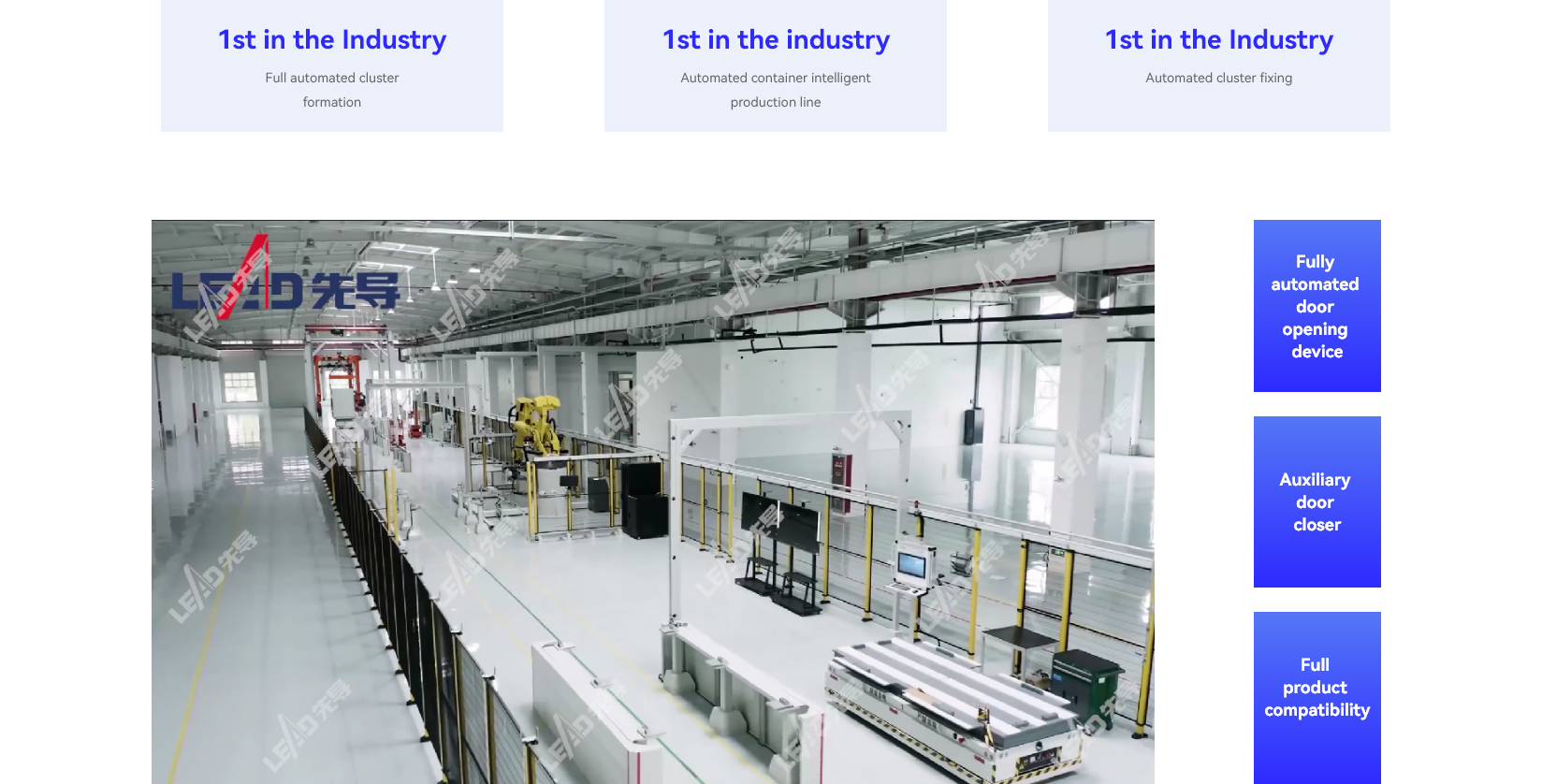
A Quiet Floor, A Living Battery
The day ends, yet the line keeps its rhythm, like a train under monsoon skies. An energy storage system waits behind a clear shield, its cells stacked and silent, but alive with charge and intent. Data flows from the battery management system, power converters whisper, and state-of-charge figures flicker in neat rows; round-trip efficiency holds above ninety percent, response times fall below a blink. Still, a simple truth rises: scale does not care for poetry (it cares for control). If the factory breathes, who keeps the pulse steady when demand jumps, when variance creeps, when schedules slip? And when the grid calls at 2 a.m., who answers first—the cell, the code, or the crew? Here, the craft meets the constraint, and the numbers test the nerve—funny how that works, right?

We step from scenery to structure, and ask how automation changes the storage game.
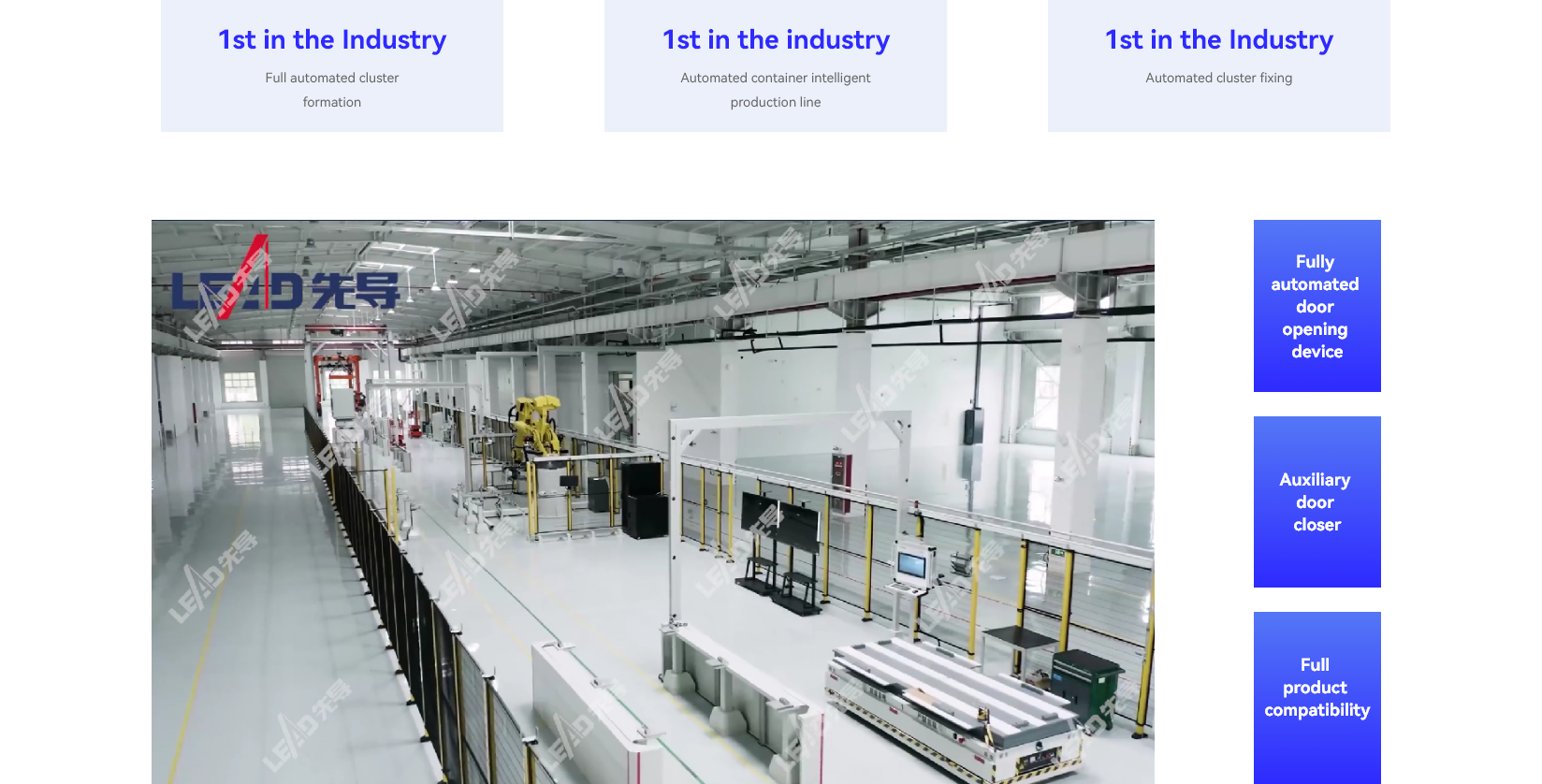
Where the Old Lines Break: Hidden Loss in the Details
What’s the bottleneck?
In many plants, assembly still leans on stitched-together tools rather than true automated manufacturing systems. The result is drift—slow, quiet drift. Weld energy varies; thermal paste dosing wobbles; pack sealing depends on a lucky hand. SCADA logs do not align with MES events, so root cause takes days. During formation and aging, current profiles deviate by tiny margins, and capacity grading slips. Then the BMS firmware build mismatches the inverter topology. Rework grows. Yield falls, one tenth here, two tenths there. Look, it’s simpler than you think: inconsistency compounds, and the cost hides in cycle time, scrap, and field returns.
Technically, the flaws are clear. Without in-line impedance checks, bad cells blend in. Without torque traceability, busbar joints add milliohms to the DC bus. Without camera-guided calibration, power converters leave the line with subtle bias. And if edge computing nodes are missing, alarms arrive late. The pain points stay human: long nights, guesswork reports, fragile launches. The cure is not louder dashboards—it is closed-loop control between process, test, and traceability, every unit, every station, every minute (and yes, that matters).
From Fixes to Future: Principles That Scale Cleanly
What’s Next
Now, shift the lens forward. The same issues—the drift, the delays—become design inputs for smarter control. Modern automated manufacturing systems embed new technology principles: vision AI flags weld porosity in real time; digital twins model line load, so buffers adapt before jams form; inline EIS screens cell health without stopping the conveyor. Edge computing nodes sit at each critical station, pushing microsecond feedback to actuators. A unified data backbone ties SCADA, MES, and traceability into one thread, so a faulty rivet links to a field code and a service note. Thermal management gets its own loop; grout flow, pressure, and cure time adjust by cell temperature, not by shift habit. The line learns, then remembers.
Comparatively, the gains compound. Variance shrinks, OEE climbs, and commissioning windows shorten by weeks—sometimes more. The tone here is calm, semi-formal, because the math speaks. You reduce rework by catching it upstream. You cut risk by proving it in simulation first. You speed delivery by making each station self-checking. And when the grid calls, your packs respond with tighter state-of-charge accuracy, safer thermal envelopes, and cleaner power quality. The lesson from earlier sections distills to three buyer metrics: measure OEE with defect Pareto at the station level; verify 100% traceability from cell to pack to power converters; demand proven safety interlocks with validated fault injection. Choose with these, and your line will breathe steady—no heroics needed, just system sense. In this spirit of shared craft, the work continues with LEAD.