
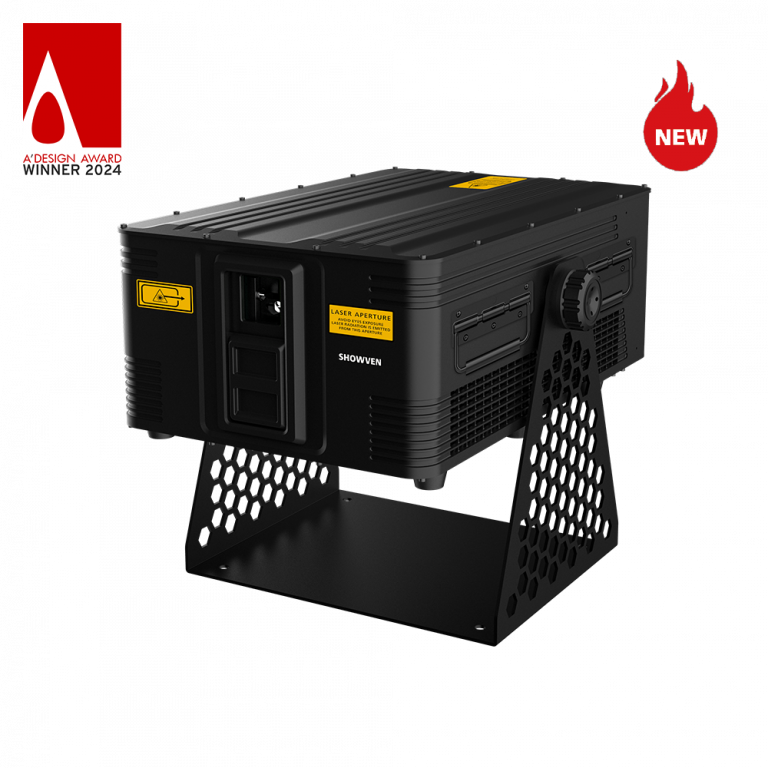
Define the Benchmark: What Really Matters Onsite
A show laser is a beam system that turns control signals into precise light in air. In practice, laser lights convert power and timing into visible geometry. In a stadium load-in, you juggle fog levels, throw distance, and safety zones—while the clock runs. Smart buyers compare laser show equipment on a few core axes: beam divergence, scanner speed, power stability, and control stack. Here is the simple data point that often decides the night: a 1 mrad beam at 60 meters gives a ~6 cm spot; 2 mrad doubles it. That changes legibility and punch.
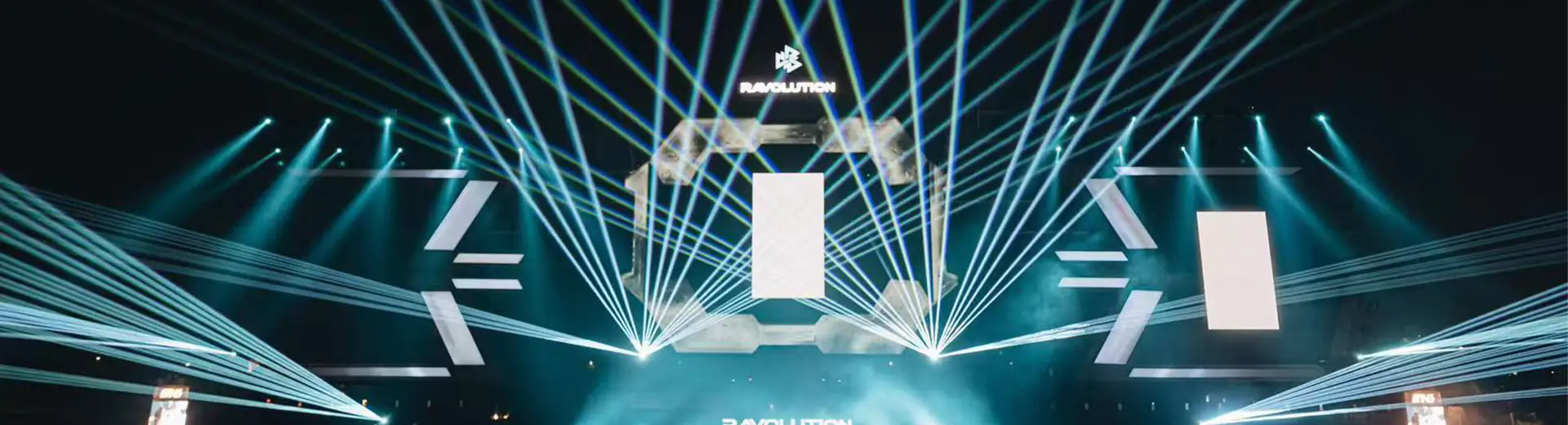
Crews also track duty cycles and failure rates. Over a 4-hour show, a 0.5% hardware fault can still mean a blackout in a key moment. The tilt comes from how converters, thermal paths, and galvanometer scanners work together (or not). Do you get stable output at temperature? Do your patterns hold at 30–40 kpps across 8 degrees scan? Numbers matter here—because the audience sees them as crisp lines or mush. So the real question: how do you compare rigs fast, onsite, and with confidence? Let’s unpack the hidden gaps before we line up options.
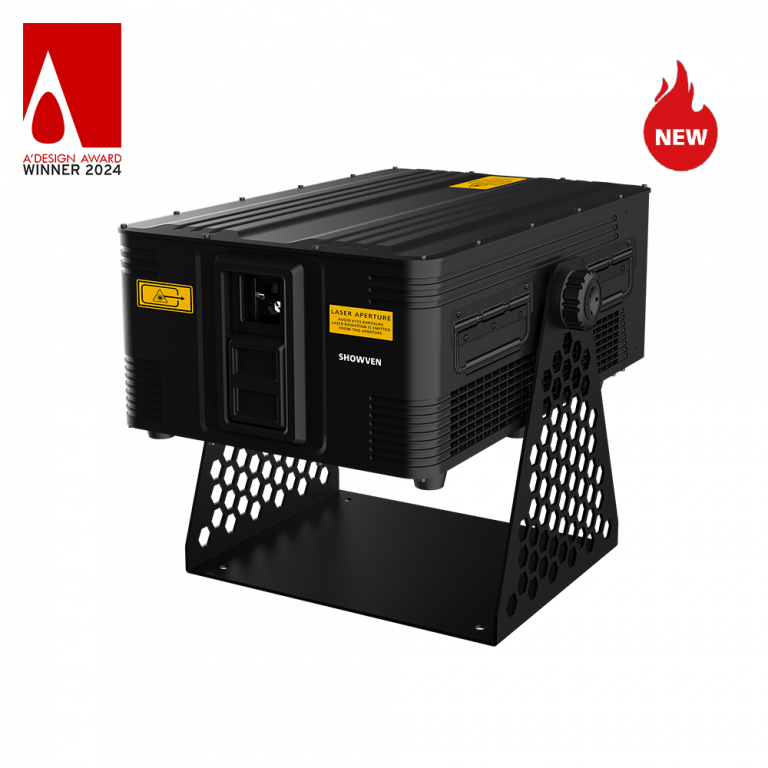
Hidden Friction in Today’s Rigs
Where do legacy rigs fall short?
Bold claim: most pain does not come from optics first. It comes from control and power. Old-school workflows lean on ILDA frames with ad‑hoc DMX merges. When timing slips, the beam looks soft even if the diode is strong—funny how that works, right? Add fog drift and wind, and the show loses sync with music. Then you chase cues instead of leading them. Look, it’s simpler than you think: if the control path is noisy, the pattern is noisy. Galvanometer scanners can only draw what they get, and jitter in the chain shows as corners that wobble and circles that look like eggs.
There are hidden user pain points too. Power converters that sag under load cause small brightness waves. Most people call it “mood,” but it is ripple. Safety interlocks add resets during heat spikes, and that kills momentum during a headline song. Many housings claim IP ratings, yet cable glands and fans leak under real rain. Another trap is crew time. Complex menu trees for network, DMX, and safety zoning slow setup by 30–40 minutes per head. Multiply by eight heads and your rigging window is gone. We also see weak diagnostics. If a scanner overheats, you get a generic fault, not “left galvo near limit.” Without clear logs, you cannot tune beam divergence or trim scan angles to save output. In short: legacy habits hide failure points that the audience can see, but patch notes cannot fix.
What Changes Next: Principles and Practical Gains
What’s Next
Now we shift from problems to principles. Modern control stacks move timing closer to the fixture. They push show logic into edge computing nodes at each head, so the network carries cues, not raw frames. That reduces jitter on long runs—especially in busy venues with shared lines. When weighing laser light show equipment, look for native timecode support, deterministic networking (sACN/Art‑Net with priority control), and local buffering. With that, scanners hold 30–40 kpps at 8° with clean corners. Thermal design is the next pillar. Better heat pipes and smarter fans keep diodes in the sweet zone, so power does not droop as ambient rises. Tight PFC in power converters keeps brightness steady during bass hits. Small detail, big effect.
Optics and safety also move forward. Dynamic beam shaping reduces divergence creep across different throws. Real-time safety interlocks use multi-point monitoring, not just hard cutoffs, so you get fewer nuisance trips. Onboard diagnostics surface useful facts: diode hours, galvo resonance alerts, and humidity ingress events. That means you can fix issues before the drop. And the housings? Proper IP-rated designs with sealed airflow paths avoid the “rain test surprise.” Compared to the legacy stack, you gain speed in setup, clarity in output, and trust in repeatability—day after day. In short, the newer path is less drama, more control. And more headroom for creative cues—because the system stops stealing your attention.
To close with actionable guidance, use three simple metrics when you compare solutions: 1) Optical quality: beam divergence at or below 1 mrad, stable power across temp, clean color mixing; 2) Control stack: scanner speed of 30–40 kpps at usable angles, solid timecode, robust network with local cache; 3) Reliability and safety: IP54 or better, clear fault logs, smart safety interlocks with zone tools. Choose on data, validate onsite, and keep notes for the next bid. Your future self will thank you—no drama on show day. For deeper specs and reference builds, see Showven Laser.