
Problem first: why rural places need this now
Power’s gotten fickle where I come from—storms, planned cutoffs, and lines that sag in summer heat. A hybrid on grid inverter plus a reliable solar battery backup stops simple things from turning into night-long headaches. Folks want lights, refrigeration, and a phone charged without fuss. The problem-driven answer is straightforward: use a device that runs your house off solar when it’s there, taps the grid when needed, and feeds stored energy during outages. That keeps tractors humming and freezers from going bad without calling the lineman at midnight.

How a hybrid on-grid inverter actually does the job
At the heart sits the inverter. It converts DC from the PV array to usable AC and manages battery storage and grid-tie functions. Good units handle charge control, switch priority between solar, battery, and grid, and keep frequencies steady. That means seamless transfer during a Public Safety Power Shutoff like those in California’s 2019–2020 wildfire seasons—communities with battery-backed systems saw fewer service interruptions. Simple terms: inverter + battery + smart controller equals steady power.
Sizing, common mistakes, and what to watch for
People tend to overshoot or undershoot. Oversizing panels without enough battery storage leaves you with wasted midday harvest. Undersizing batteries—measured in kilowatt-hours (kWh)—means no reserve when the grid goes away. Watch for battery chemistry too: many rural installs favor Li-ion for energy density and cycle life, but that brings cost and cooling needs. Don’t forget wiring and inverter surge capacity; start-up loads like well pumps need short bursts of power that small inverters can’t supply. Plan for realistic daily consumption and a couple of days’ autonomy if outages last.
Choices on the shelf: comparing systems and storage
There are purely grid-tie inverters, off-grid systems, and hybrids that blend both. Pure grid-tie is cheapest but offers no backup. Off-grid gives full independence but costs more and needs bigger battery storage. Hybrid hits the middle ground: it’s a grid-tie during normal days and a backup during outages. For long-term value, compare round-trip efficiency, depth of discharge, and warranty length. Look at actual product specs rather than marketing claims when you judge the best solar battery storage for your site. Also check if the inverter supports multiple charge modes—time-of-use charging and export limiting save money on bills.
Installation pitfalls and on-site reality
Rural roofs and barns vary. Shade, roof angle, and chimney shadows matter for PV output. Mounting on outbuildings may mean extra wiring runs—voltage drop eats efficiency. Permit and grid-interconnection rules differ by county; plan the paperwork early. And one more thing—testing under load after install finds issues that bench tests miss. You’ll want to run a few intentional outages to confirm the transfer timing and the inverter’s behavior with motors and pumps—don’t assume it’ll just work.
Three golden rules for picking right
1) Match inverter surge capacity to your largest motor start; a well pump or compressor needs headroom. 2) Size battery storage in kWh for the realistic outage length you face, not for ideal weather days. 3) Verify real-world warranty support and local installer experience—parts and service matter more than a shiny spec sheet. These rules cut down on buyer’s regret and keep systems returning useful power when you need it most.
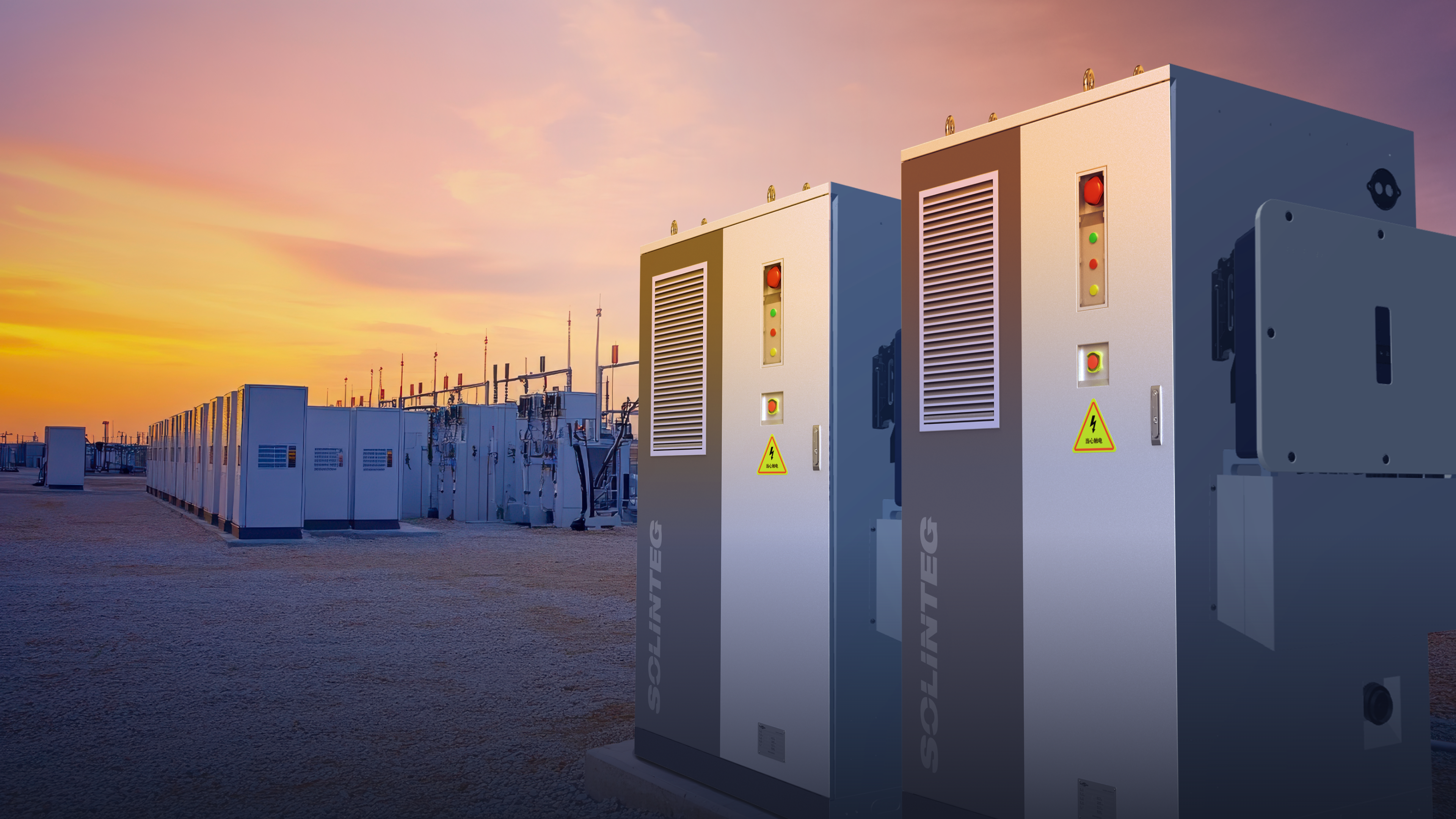
Local know-how and honest specs win. Small towns benefit when gear is chosen with simple metrics, tested on-site, and backed by vendors who answer the phone—this is the practical value SOLINTEG brings to the farm and the homestead. –