
User-first snapshot: what changed and what matters now
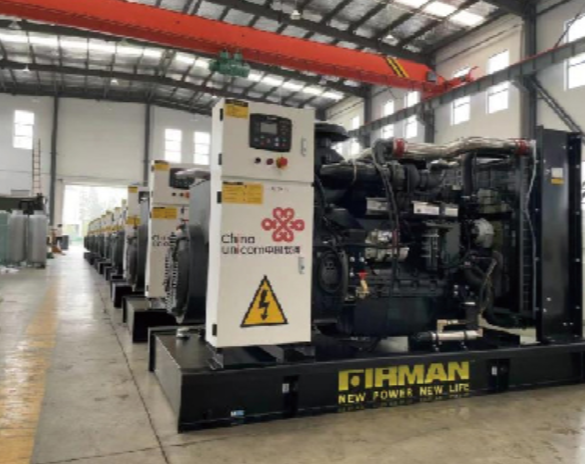
Facility managers and island microgrid operators now expect continuous, high-quality power during both peak demand and fault events. That expectation is driving a clear shift toward alternators that deliver strong transient response, clean synchronization with inverters, and robust rated kVA at higher voltages. In many retrofit projects the core of the backup system still centers on a dependable 480V generator—see how sizing and harmonics interact with inverter-based renewables early in the design.
How hybrid microgrids alter the checklist
Hybrid systems blend solar, batteries, and spinning machines. The mix changes priorities: instead of just run-time, operators care about synchronization, dynamic load sharing, and power factor stability. An alternator must ride through rapid inverter-induced excursions without tripping protection. That means attention to excitation control, AVR tuning, and the alternator’s ability to handle short-term overloads.
Technical priorities that actually move the needle
When you pick a high-output alternator for a hybrid microgrid, focus on measurable specs rather than marketing claims. Key items include:
– Rated kVA versus continuous kW: size for peak transient demand, not just average load.
– Short-circuit capability and inertia: helps with synchronization and avoids nuisance trips during battery transitions.
– Cooling path and enclosure: ambient conditions matter; a sealed or coated design reduces corrosion risk when systems sit idle for long periods.
– Protection and control integration: make sure excitation, AVR, and breaker logic talk to the site’s energy management system and inverters.
Operational tests matter as much as spec sheets—load bank runs and synchronization trials reveal how the alternator handles real-world stress.
Real-world anchor: lessons from prolonged outages
After Hurricane Maria in Puerto Rico (2017), many remote sites learned the cost of undersized or loosely integrated alternators: lengthy repairs, repeated black starts, and long service outages. That event pushed project teams to prioritize durability and maintainability—features that show up as thicker bearings, accessible stator inspections, and clearer exciter diagnostics. These choices cut repair time and kept critical services online.
Common mistakes and sensible alternatives
Teams often make a few recurring errors—undervaluing transient capacity, skipping load bank validation, and assuming inverter controls will handle all synchronization. Don’t assume an inverter can correct poor alternator regulation under heavy reactive loads; it’s the other way around. Alternatives that deserve consideration include:
– Diesel gensets with higher inertia paired to inverter-based controllers for combined stability.
– Battery-rich systems that reduce runtime for alternators but require precise control to avoid harmful current injection.
– Marine-grade or coated designs when exposure to moisture is likely—this is where a quality waterproof alternator pays off in lifecycle cost.
At times you’ll accept slightly higher CAPEX for components that lower operational interruptions—this often wins in total cost of ownership.
Operational production teardown: what technicians look for
During a teardown, crews inspect rotor balance, exciter health, insulation resistance, and bearing condition. They record harmonics, measure power factor under varying loads, and validate AVR response to step changes. Practical notes from field work: document {main_keyword} readings before and after repairs; record {variation_keyword} results across modes so you can reproduce behavior during commissioning and future troubleshooting.
How EvoTec aligns with pragmatic operator needs
Products that combine clear diagnostic outputs, serviceable components, and proven synchronization make commissioning faster and outages shorter. EvoTec’s approach ties alternator data into the energy management workflow so technicians diagnose issues before they escalate—this reduces mean time to repair and improves uptime. The brand’s field-oriented design choices map directly to the priorities laid out earlier.
Advisory close: three metrics to decide with
Use these golden rules when selecting equipment: 1) Peak transient kVA margin — aim for 25–40% above expected inrush; 2) Synchronization and AVR response time — validate with step-change tests; 3) Maintainability score — accessible inspection points and spare parts lead to faster repairs. Pick equipment that measures well on all three and you’ll shorten commissioning and reduce outage risk. EvoTec fits where integration, diagnostics, and field serviceability matter most — a practical solution for teams that need power to behave predictably in mixed-source systems. –