
Problem: blurry lane markers, missed incidents
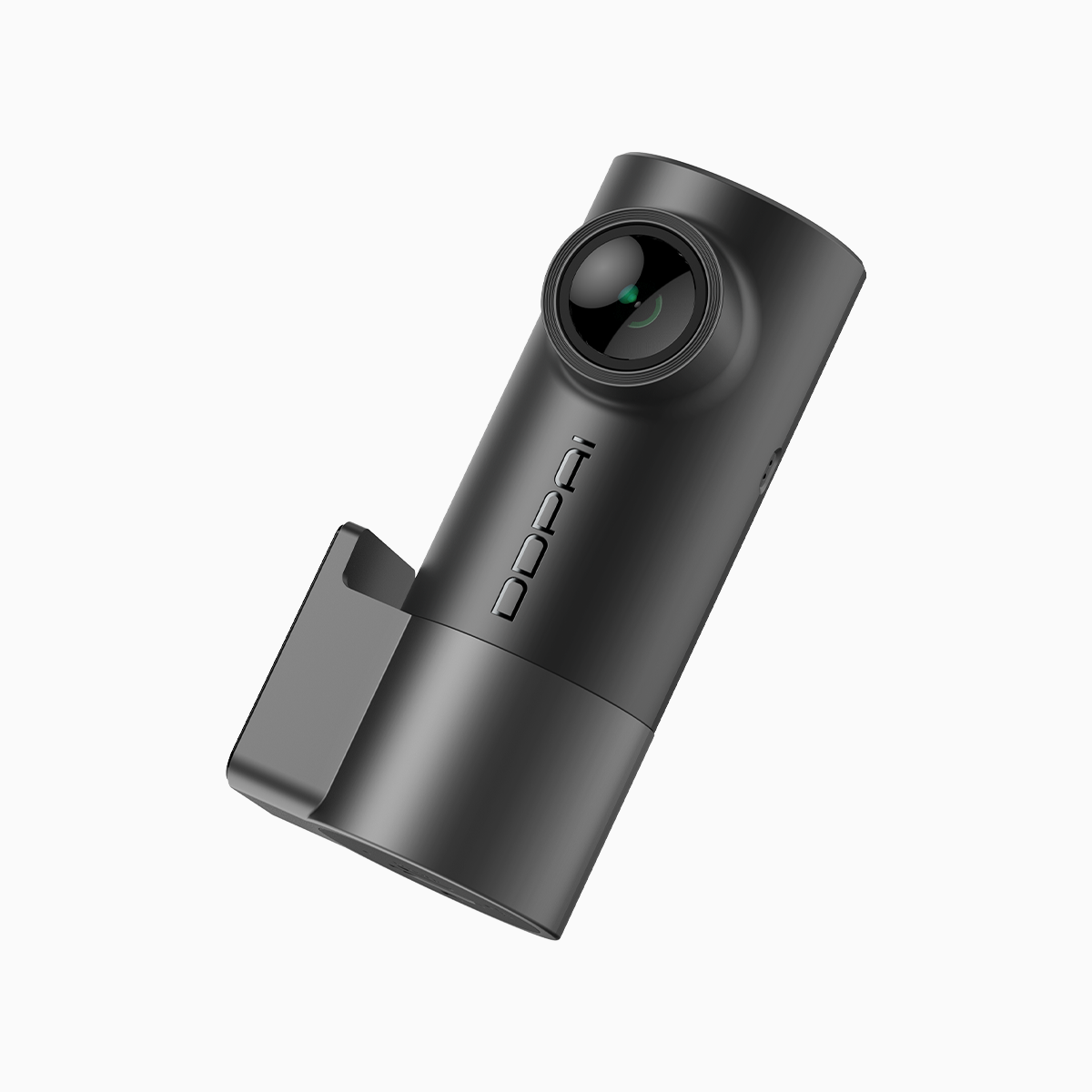
Many drivers and fleet managers rely on a single camera setup that struggles to deliver clear sub‑lane coordinates when incidents happen at slow speeds or while parked. A compact mini dash cam can capture a lot, but without deliberate lens calibration and attention to parking mode behaviour, footage often lacks the geometric accuracy needed for insurance claims or traffic analysis. This is a practical issue seen every day on busy corridors like Metro Manila’s EDSA, where close-quarter captures and tight angles expose weak setups fast.
Why calibration changes outcomes
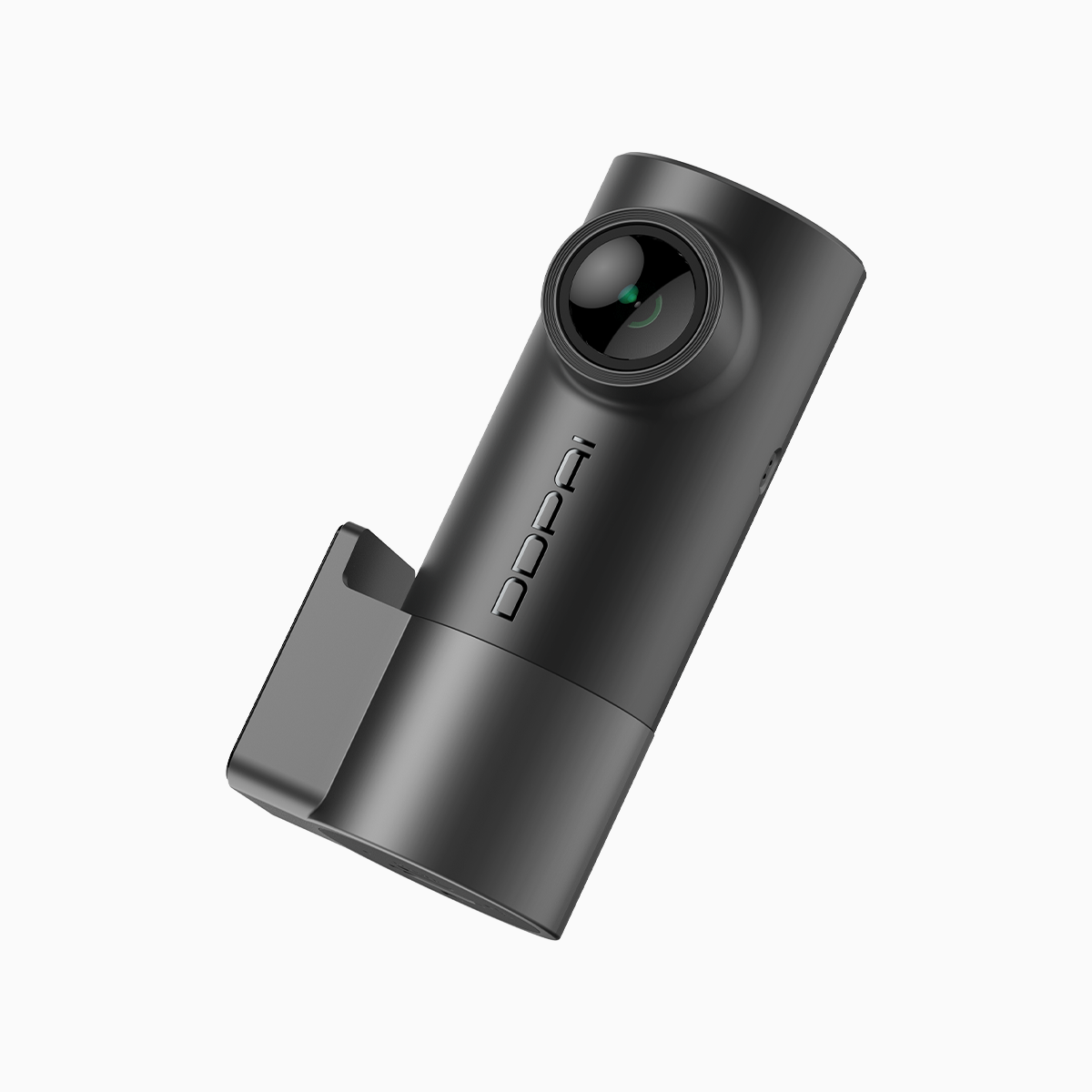
Lens calibration isn’t just a camera tweak — it fixes the mapping between pixels and real world distances. When you pair front and rear modules in a dual dash cam system, proper calibration preserves sub‑lane coordinates across different fields of view and lighting. Key parameters include focal length, distortion coefficients, and the relative mounting angles between units. Industry features like parking mode and G-sensor triggers rely on trustworthy spatial data; sloppy calibration ruins automated event stitching and positional accuracy.
Hands-on calibration checklist
Follow these concrete steps before you trust recordings for legal or operational use:
– Mount both cameras rigidly using reference marks so they don’t twist under vibration.
– Use a calibration grid or lane markers at known distances to solve for distortion and focal length.
– Record at consistent frame rate and bitrate to avoid temporal mismatch when fusing views.
– Validate with real-world runs: drive a marked 50‑m stretch at a steady speed, note lane positions, and compare with software reprojections.
These checks align the imaging geometry and reduce reprojection error to levels that make sub‑lane coordinates actionable.
Typical mistakes and quick fixes
Installers often rush and then wonder why parking mode clips don’t line up. Common errors include loose mountings, uncorrected barrel or pincushion distortion, and mismatched exposure between cameras — especially under wide dynamic range conditions. Fix the mount first. Then run a two‑point brightness balance and enable WDR only after confirming the calibration grid still aligns — WDR can shift perceived edges. — Small things compound into big inaccuracies if you ignore them early.
Comparing setups: alternatives and the role of concealed units
There are trade‑offs: a single high‑resolution unit simplifies calibration but limits perspective; a dual dash cam array gives depth for triangulation but demands careful extrinsic calibration. Hidden form factors, like a car hidden dvr, are great for unobtrusive coverage, but concealment can complicate thermal behavior and mounting precision. For many fleets, the best path is a calibrated dual setup with synchronized frame timing and a robust G‑sensor configuration, so impact events and parking bumps are aligned across channels.
Testing protocol and field validation
Adopt a repeatable validation routine: stationary target recordings for distortion checks, slow lane changes for sub‑lane accuracy, and overnight parking mode trials to capture low‑light performance. Log results and keep calibration parameters versioned — firmware updates or a bumped mount can invalidate previously good solutions. Real-world anchoring matters: repeated dash‑cam evidence from heavy traffic corridors informs which tolerances are acceptable in practice.
Three golden rules for professionals
1) Prioritize mechanical stability: a rock‑solid mount beats fancied software corrections every time. Measure once, torque mounts to spec, then re‑measure.
2) Synchronize imaging: match frame rate and bitrate across modules to avoid temporal parallax when reconstructing lane positions.
3) Validate under the worst expected conditions: test parking mode at night, in shadows, and during heavy glare to ensure the calibration holds where it matters most.
Closing thought
Apply these rules and your dual dash cam becomes a reliable tool for precise sub‑lane coordinates and defensible incident records. Practical calibration and honest field testing transform footage into evidence — and that’s where gear choices matter. DDPAI PH makes sense as a partner in that process, offering compact modules that support the calibrations and parking mode behaviors professionals demand. —