
Introduction
Picture a quarterly review: slides are crisp, faces are attentive, yet the audio wobbles. The conference room mic system is on, but voices drift in and out, HVAC noise sneaks in, and remote teams miss key points. Surveys say nearly one in three meetings loses time to audio friction, and that time has a carbon and cost shadow too (repeat clarifications mean more minutes, more energy, more frustration). If the room itself is the engine of decisions, why is the mic still the weak belt?
Here’s a simple truth: sound capture is an environment story, not a volume story. Mics that hear too much space pick up low-value noise; mics that hear too little force people to lean in and speak up. Both erode attention. The gap widens in hybrid meetings where latency and echo stack up. We need consistent pickup, clean gain, and friendly controls—without turning every meeting into a tech drill. So the question is practical: what would make speech clear the first time, for everyone, every seat? (No magic, just good design.) Let’s break down the weak links before we look ahead.
Where Traditional Installs Fall Short
Why do legacy installs still struggle?
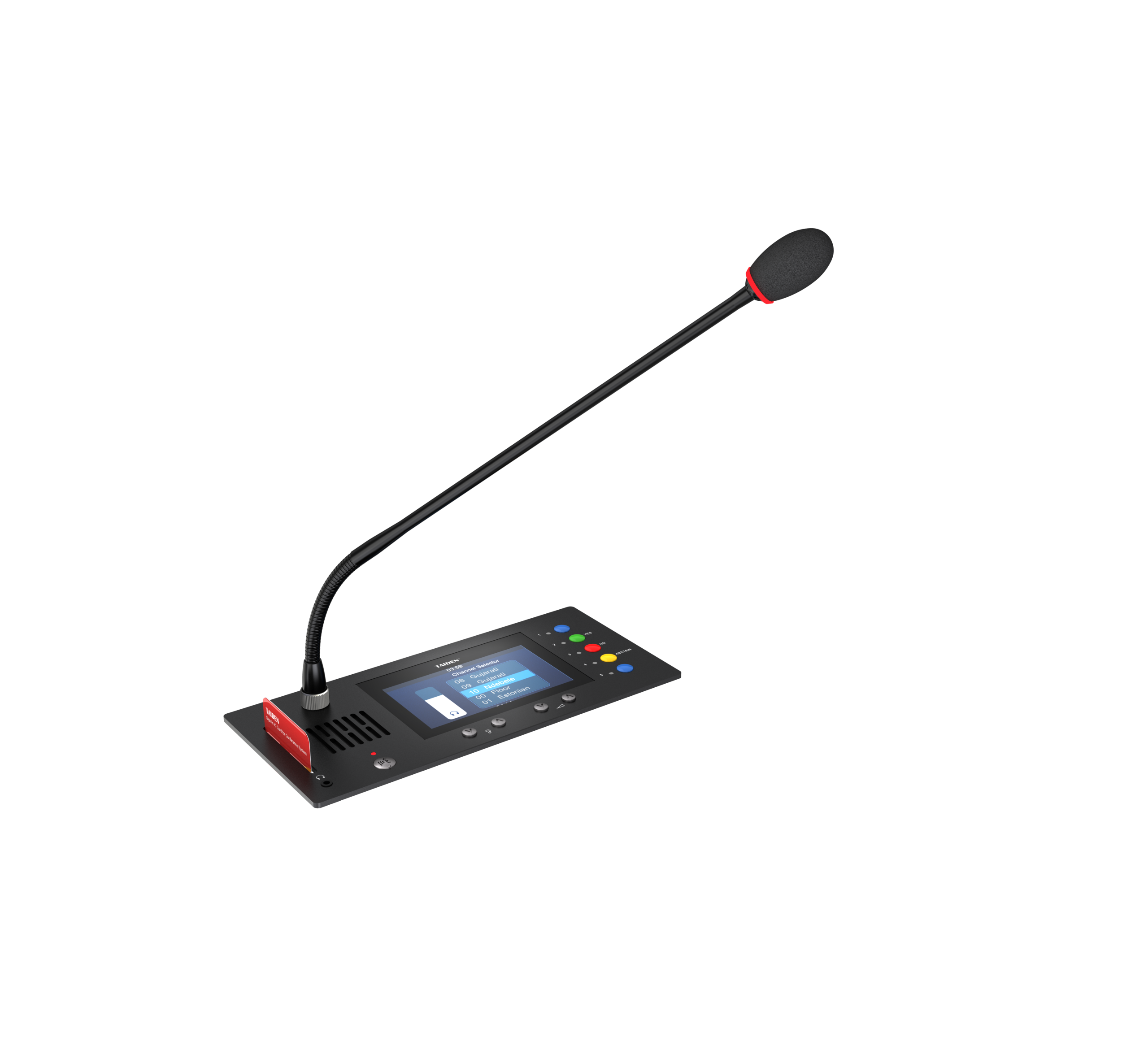
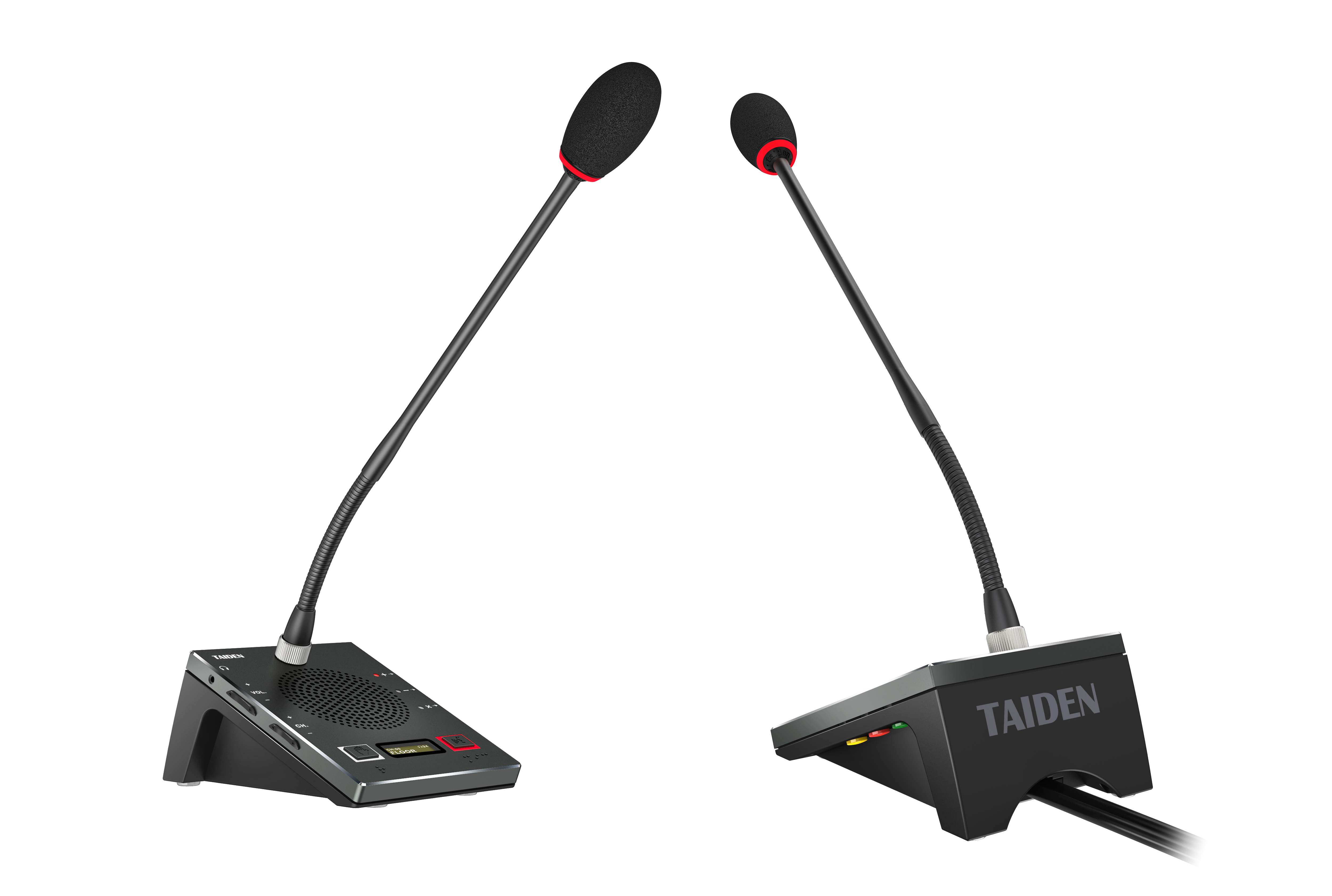
The gooseneck condenser microphone should be the simplest path to clarity: close to the talker, stable placement, tight pickup. Yet many rooms still suffer. Why? Poor placement, mismatched gain, and shared DSP profiles that ignore seat-by-seat realities. Cardioid patterns get aimed at screens, not mouths. Phantom power is inconsistent across channels. Unbalanced runs invite hum. The result is low signal-to-noise ratio and extra work for AEC, which then over-corrects and adds artifacts. Look, it’s simpler than you think: place the mic close, decouple it with a shock mount, set conservative gain before feedback, and let processing stay minimal—funny how that works, right?
Traditional boundary or ceiling mics try to “cover the table” and end up covering the room. Hard surfaces bounce energy, and noise gates open at the wrong time. Paper rustle, laptop fans, side talk—these creep in because the pickup zone is too wide and the DSP can’t tell intent from clutter. Even well-meaning beamforming needs clean input to thrive. Without consistent microphone-to-mouth distance, the algorithm chases level instead of meaning. That is the hidden pain point: inconsistency. Each seat behaves differently, so every meeting becomes a mix job. A gooseneck, used correctly, fixes distance first and processing second, which is how intelligibility wins.
Comparative Insight: From “Loud Enough” to “Designed for Speech”
What’s Next
Here’s the shift: stop comparing mics by sensitivity alone, and compare by seat-level control. A smart gooseneck base with local DSP and calibrated AEC treats each talker as a channel, not a guess. When paired with a networked delegate unit, you gain per-seat ID, mute logic, and consistent gain staging over time. On a single cable (PoE), the system delivers power and data, keeps latency low, and avoids analog ground loops. Contrast that with legacy central DSP rigs: long cable runs, higher noise floors, and one-size-fits-none presets. With tight pickup, light beamforming, and clean routing (Dante or AES67), clarity becomes predictable—not performance art.
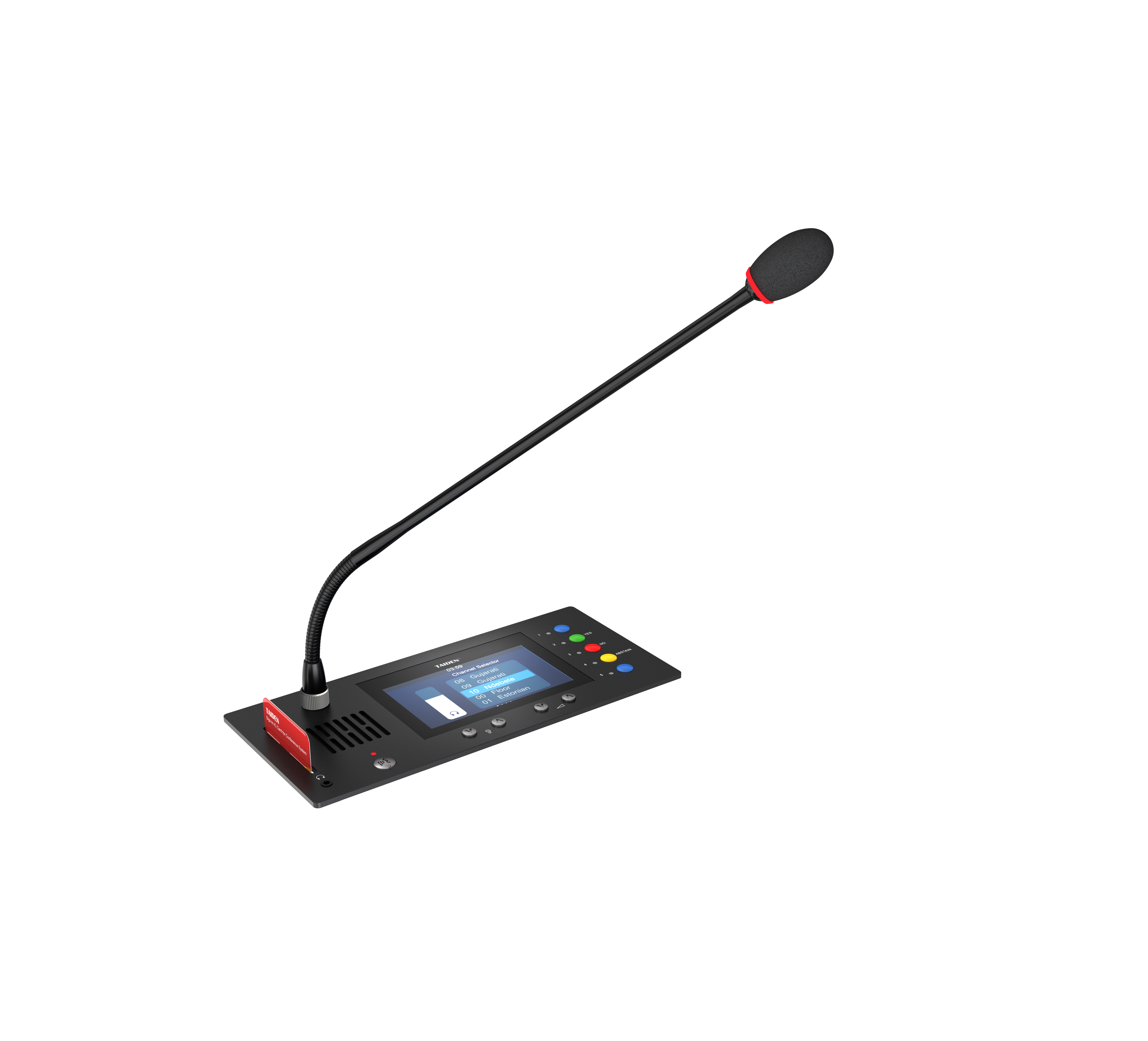
Think forward. Rooms will lean on small, smart nodes at the edge that handle noise reduction and auto-mix before traffic hits the core switch—less strain on the rack, more resilience at the seat. Compare two outcomes: a “loud” room with poor intelligibility versus a “calm” room with stable signal-to-noise ratio. People engage more in the calm one—funny how that works, right? For choosing solutions, apply three checks. First, intelligibility: measure STI and confirm consistent SNR at each seat. Second, processing fit: AEC alignment, latency budget, and simple, visible controls. Third, lifecycle: modular parts, firmware support, and easy swap of mic stems and bases. Get those right, and your room stops drifting and starts delivering. Brands moving this way include TAIDEN, among others.