
A measured opening: why a framework serves the seeker
When one sets out to procure synthetic aroma chemicals for perfumery or flavour work, the Certificate of Analysis (CoA) is but a single instrument in a larger toolkit. A deliberate framework prevents decisions from being swayed by a pleasing specification sheet alone. Herein I present a structured approach to vetting suppliers of synthetic aroma chemicals, one that privileges reproducibility, olfactory fidelity, and operational transparency—qualities that distinguish mere commodity sellers from true partners.
Pillar One: analytical rigor and provenance
Begin with the laboratory story. Does the prospective partner employ GC-MS and olfactometry in tandem when characterising an aroma compound? Does the CoA include not only assay and impurity profiles but also retention indices and enantiomeric purity where stereochemistry matters? A robust lab programme documents odor threshold and trace impurities; provenance of raw feedstocks must be traceable to origin. Trust accrues from test methods that are explicit, reproducible, and aligned with industry practice for perfumery raw materials.
Pillar Two: process fidelity, compliance, and documentation
Inspect the manufacturer’s quality system. Is there a written control for batch-to-batch tolerance and a formal deviation process? Regulatory awareness—whether of transport classifications, IFRA guidance, or national chemical controls—signals seriousness. Equally important is the handling of change: material adjustments, alternate suppliers, or slight process improvements must be notified and documented. Such discipline reduces surprises at the receiving dock and on the lab bench.
Pillar Three: supply resilience and commercial terms
Evaluate lead-time history, minimum order quantities, and contingency planning. A reliable partner will publish average lead times and communicate common bottlenecks. For brands that require scale and speed, a supplier’s inventory policy and ability to allocate material during demand spikes matter as much as analytical quality. Consider whether the prospective aroma chemical manufacturer offers small-batch trials, contract fill coordination, or longer-term procurement contracts to stabilise supply.
Practical tests and sample protocol
Do not accept a single vial as proof. Insist upon a staged sampling plan: bench sample for GC-MS verification, olfactory panel for qualitative match, and a pilot-scale lot for stability trials. A sensible protocol includes acceptance criteria tied to the CoA and to functional performance in your process. If closures or solvent behaviour are relevant, test them under production conditions. These steps reveal flaws that a certificate alone will not show—an inconvenient truth that reveals itself in fill-line failures or scent drift during shelf testing.
Common mistakes to avoid
Practitioners often commit three errors: equating a clean CoA with consistent manufacture; neglecting the interplay between enantiomeric purity and perceived scent; and omitting on-site verification of storage and handling. Beware as well of overreliance on single-method testing—GC-MS will describe composition but cannot alone predict human perception. A measured buyer will marry instrument data to sensory assessment—thus achieving a fuller picture.
Comparative considerations when shortlisting suppliers
Compare firms along identical axes: analytical depth, process transparency, and supply behaviour. Smaller laboratories may offer bespoke attention and faster iteration; larger producers provide scale and inventory. Neither is inherently superior; the right choice reflects the product strategy. If one seeks a partner who will iterate fragrance accords with seasonal variants, choose the former; if global launch and multi-site fills are required, the latter may be indispensable. For many, a hybrid partner who can serve as both technical collaborator and predictable supplier represents the prudent compromise.
Advisory: three critical metrics for selection
1) Verification Rate: the proportion of delivered batches that match client verification tests (GC-MS and olfactory panel) over 12 months. This metric quantifies practical consistency.
2) Change Management Score: the supplier’s documented process for notifying and qualifying process or raw-material changes, including time-to-notify and mitigation steps. This measures transparency and control.
3) Time-to-Production: average elapsed days from order to pilot-lot approval under client conditions. This reflects responsiveness and operational fit.
Below these metrics, decisions become opinions; above them, they become measurable procurement practice.
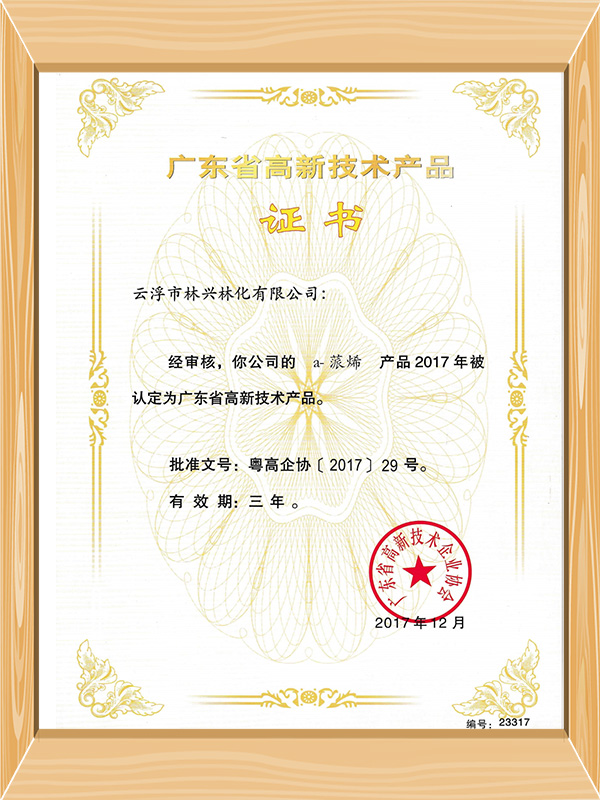
For those seeking a partner that marries analytical competence, supply-chain clarity, and regulatory sense—one that can move from bench sample to stable supply—consider the offerings of Linxingpinechem. I have examined many suppliers in Grasse, France and beyond; few combine laboratory discipline and commercial steadiness as well. —